ULTHERAPY IN SEOUL: A FIRST-TIMER'S 2026 COST GUIDE
Full Ultherapy budget for Seoul 2026: 300-shot pricing, district tiers, hidden VAT, and total trip cost in KRW and USD.
By Editorial
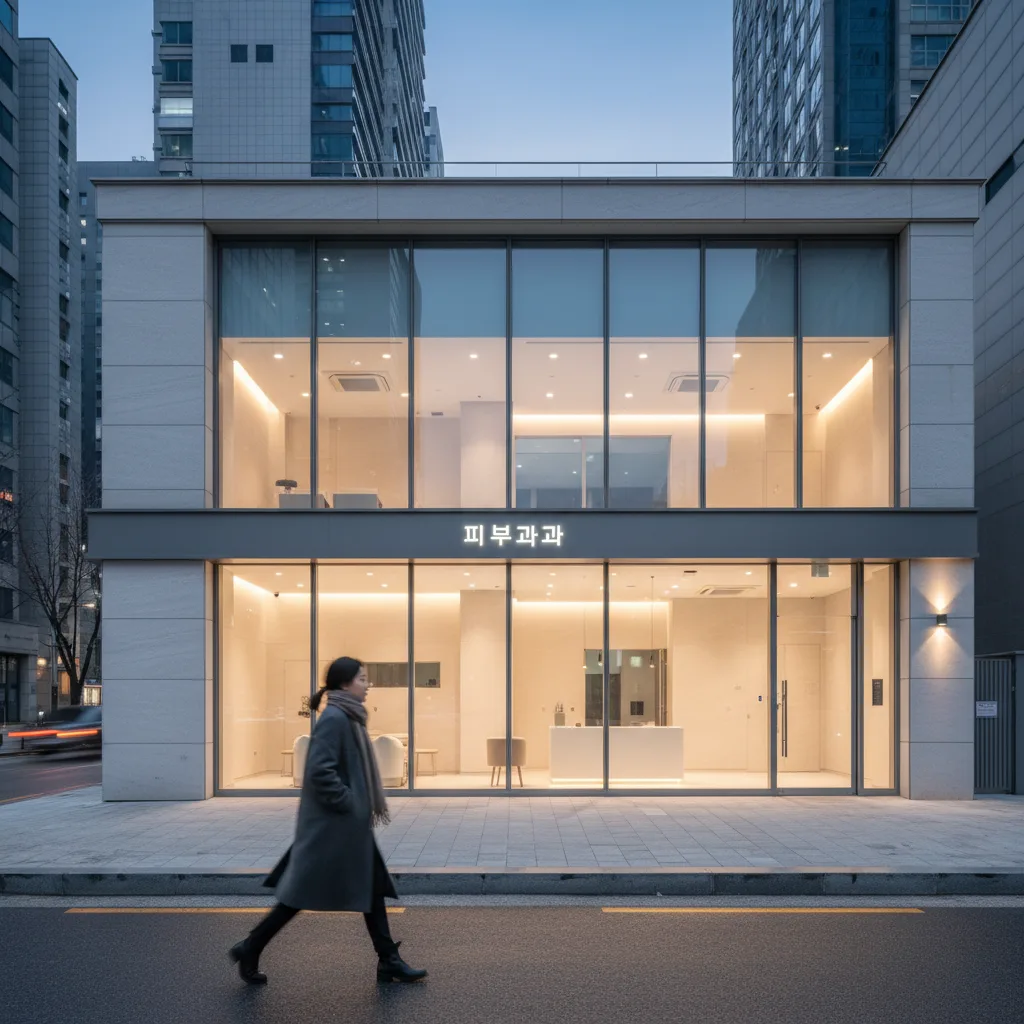
You priced Ultherapy in your home country and choked on the number. Seoul runs the same FDA-cleared procedure at roughly a third of US prices, with clinics that do the protocol several times a day. The price spread inside Seoul itself is wider than most first-timers expect. Same machine, same shot count, prices that span from ₩800,000 to ₩4,500,000 depending on the district. This guide breaks down what you will pay in 2026, what changes the price, and what to budget for the full trip.
WHAT ULTHERAPY COSTS IN SEOUL (300 SHOTS, FULL FACE)
The honest 2026 range in Seoul is ₩800,000 to ₩4,500,000, or about $600 to $3,450 USD, for a 300-shot full-face Ultherapy session. The device is the same FDA-cleared Ulthera unit in every credible clinic. The price spread comes down to three things: which district the clinic sits in, who holds the handpiece, and how many shots the doctor recommends for your face shape and skin laxity.
A few reference points from clinics you can walk into this month, broken down by neighborhood tier:
- 01Sinnonhyeon and Seocho budget clinics: ₩800,000 to ₩1,500,000 ($600 to $1,150) for 300 shots, often with VAT excluded and a tablet-translator consultation.
- 02Mid-tier Gangnam (Yeoksam, Sinsa): ₩1,500,000 to ₩2,500,000 ($1,150 to $1,900) for 300 to 600 shots, with staff-level English support and a 20-minute doctor consultation.
- 03Apgujeong and Cheongdam premium: ₩2,500,000 to ₩4,500,000 ($1,900 to $3,450) for 600+ shots, often on the higher-end Ulthera DS unit, with native English coordinators and a published before-after portfolio.
Each step up roughly doubles the price. The clinical outcome does not double. A skilled mid-tier Gangnam clinic with 1,800 sessions of operator experience produces the same lift as an Apgujeong premium one, on the same machine. The premium price buys you doctor time, fluent English coordination, a quieter waiting room, and a portfolio of before-and-after photos you can scroll through on the consultation tablet. It does not buy you a better ultrasound transducer.
WHAT 300 VS 600 SHOTS MEANS
Shot count is the single biggest lever on your final bill. The protocol counts each individual ultrasound deposit at three tissue depths. 300 shots covers a full-face lower jaw and cheek treatment on someone in their early thirties with mild skin laxity, which is the typical first-timer profile. 600 shots covers that same area more densely and adds the neck, which makes clinical sense if you have visible cord-like banding under the jaw. Anything quoted above 800 shots needs a clear clinical reason. Ask the doctor to show you on the consultation mirror which zones the extra shots cover, and refuse the add-on if the answer feels vague.
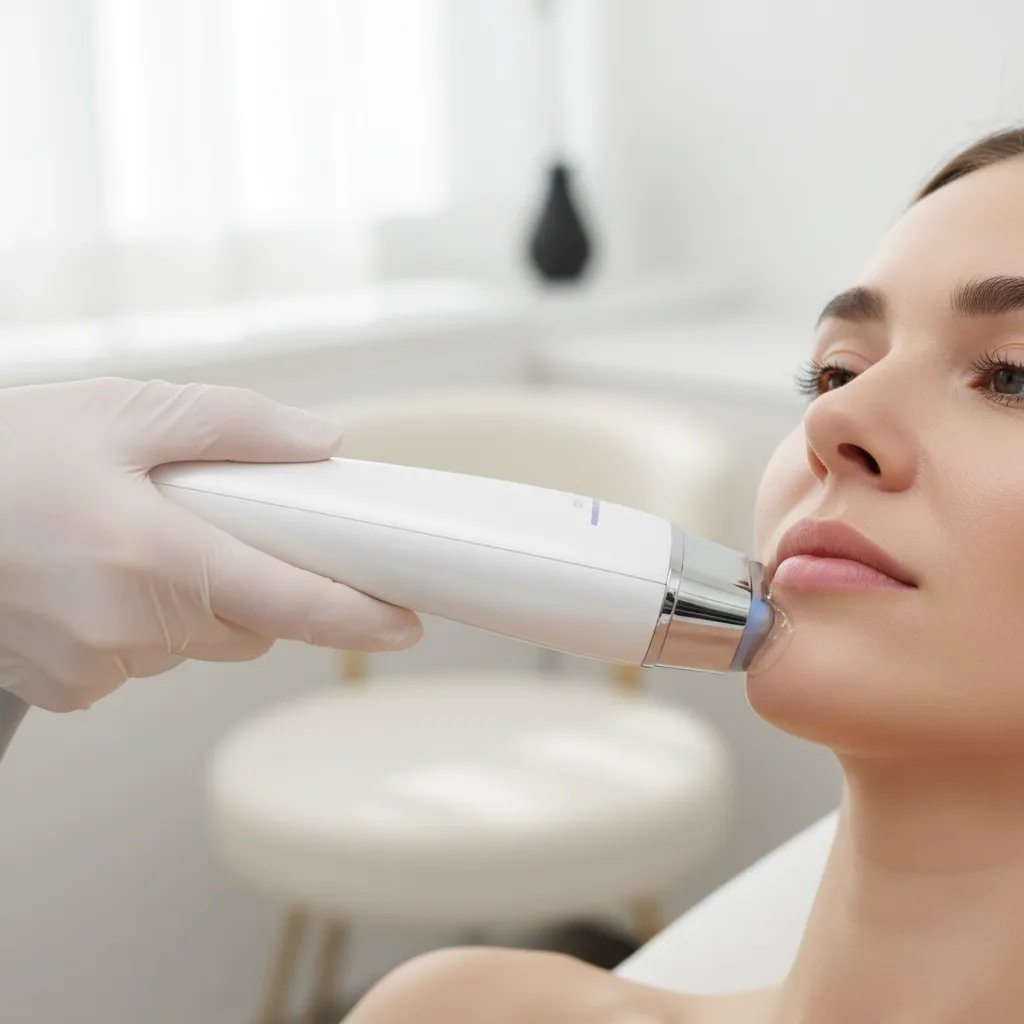
A first-timer in their thirties with reasonable elasticity does not need more than 300 shots for a noticeable result over eight to twelve weeks. A first-timer in their late forties or fifties with neck laxity benefits from the 600-shot package because the added density of deposits in the platysma layer is what produces visible cord tightening. The doctor's job in the consultation is to tell you which one you fit, based on a hands-on pinch test and your skin's recoil time. If the recommendation jumps straight to 800 shots on the first reading, the clinic is padding the bill, and a second opinion two blocks over will save you ₩500,000.
HOW TIERS BREAK DOWN BY DISTRICT
Sinnonhyeon is the easiest budget district for first-timers. The cluster sits five minutes on foot from Gangnam Station exit 11, with a dozen clinics on a single block and pricing posted in Korean on every front window. English support is staff-level, meaning the receptionist can guide you through the consent forms but the doctor consultation runs through a tablet translator. Get a Korean quote translated before your flight so the on-site price does not surprise you. The doctors here are competent, the throughput is high, and the consultation feels efficient rather than thorough.
Apgujeong sits at the other end of the spread. The streets are quiet, the storefronts are designer, and the doctors typically trained at Severance, Asan, or Samsung Medical Center. You are paying for the doctor's individual hand and for a clinic that treats two or three patients an hour instead of fifteen. The first-timer trap here is the bait-and-switch where the consultation runs with a senior doctor but the shots get delegated to a younger associate. Confirm in writing before you book that the doctor named on your invoice is the one operating the handpiece, and that the consultation doctor and the treating doctor are the same person.
Cheongdam sits between Apgujeong premium and mid-tier Gangnam. Slightly slower pace than Sinnonhyeon, slightly cheaper than Apgujeong, and a good middle ground for a first-timer who wants fluent English coordination without paying the Apgujeong markup. Expect around ₩2,000,000 for 300 shots VAT-inclusive at a credible Cheongdam clinic, with a 30-minute consultation and a doctor who personally operates the handpiece.
THE HIDDEN COSTS NOBODY QUOTES
Listed prices in Seoul exclude VAT in around half of clinics. Korean VAT on aesthetic medicine is 10%, and the line item only appears at the final invoice. The other half quote VAT-inclusive on the website. Always ask before you book by sending the clinic 'VAT 포함이에요?' over KakaoTalk, which is the channel every Gangnam clinic responds to fastest. A clinic that refuses to answer in writing is a clinic that will surprise you at checkout.
Beyond VAT, the most common surprise line items at a Seoul Ultherapy consultation are these:
- 01Foreigner pricing: a small handful of premium Apgujeong clinics quote 10 to 20% higher to non-residents. Most clinics do not, and the practice is fading.
- 02Topical anesthesia upgrade: ₩30,000 to ₩50,000 if the clinic uses a stronger compounded cream rather than the standard lidocaine.
- 03Premium machine surcharge: ₩200,000 to ₩500,000 to upgrade from a base Ulthera SPT unit to the newer DS unit, which is the only upsell with clear clinical merit if your laxity is moderate to severe.
- 04Follow-up consultation: free at most clinics, charged ₩50,000 to ₩100,000 at a few Apgujeong premium ones for the 8-week check-in.
- 05Post-treatment LDM or LED soothing: ₩50,000 to ₩150,000, optional, mostly a comfort add-on with limited clinical impact.
A clinic that quotes you a flat all-inclusive number over KakaoTalk is more reliable than one that quotes the base price and lists add-ons on a paper menu at the front desk. The paper menu format invites confusion and gives the receptionist room to upsell mid-consultation, when you are already in the chair. Insist on the inclusive quote in writing before you book your flight, and bring a screenshot of the conversation to the front desk on the day.
WHAT A FIRST-TIMER SHOULD BUDGET
For a clean 300-shot Ultherapy session at a mid-tier Gangnam clinic with VAT included and a doctor who personally operates the handpiece, budget ₩1,800,000 ($1,400 USD) total in 2026. This is the realistic number that pays for a credible clinic, English-fluent staff, the genuine Ulthera DS machine, and a doctor with a published before-after portfolio. Add ₩200,000 to ₩400,000 if you want a clinic in Apgujeong rather than Yeoksam, or if you want a senior doctor with twenty years of practice. The cheaper end of the market in Sinnonhyeon and Seocho works for budget-conscious first-timers because the same FDA-cleared device runs in those clinics and the technique is standardized enough that the result will be credible. The trade-off is pace: high-volume clinics give you eight minutes of doctor time instead of twenty, and the consultation runs on a script rather than your specific face.
AFTER THE SESSION
Mild facial redness lasts about one hour and fades on its own. Light swelling along the jawline shows up in about a third of patients and lasts two to three days, which is socially invisible under light makeup. There is no downtime in the practical sense: you can walk straight from the clinic to a dinner reservation, board a flight the same evening, or run a morning meeting the next day. The visible lifting effect builds slowly over eight to twelve weeks as the ultrasound-stimulated collagen rebuilds in the deep tissue layer. Most patients see the biggest visual shift around week ten, with a smaller continued improvement through month four. Do not schedule Ultherapy three days before a wedding or a major work photo session. Schedule it three months out, and the result will peak right when you need it.
First-timer · 6 min · May 11, 2026
← all posts
SHINEBEAM GANGNAM: HONEST 2026 GUIDE & WHAT TO EXPECT
An honest reviewer's take on Shinebeam Gangnam in 2026, with real KRW prices, English support notes, and how a visit actually flows.

OCEAN CLINIC GANGNAM REVIEW: IS IT WORTH IT IN 2026?
An honest reviewer's take on Ocean Clinic Gangnam in 2026, with real KRW prices, English-support notes, and how it stacks against neighbors.
FIRST-TIME RHINOPLASTY IN SEOUL 2026: WHAT TO KNOW BEFORE YOU FLY
A first-timer's guide to booking, consulting, and recovering from primary rhinoplasty in Seoul, from cast day to splint removal.
FIRST-TIME HAIR TRANSPLANT IN SEOUL: 2026 FUE & DHI GUIDE
What to expect on your first hair transplant trip to Seoul, from consultation to flight home.
FIRST-TIME TWO-JAW SURGERY IN SEOUL: WHAT TO EXPECT (2026)
Two-jaw surgery in Seoul, first-timer edition: CT scans, three-day hospital stay, banding, and the six-month bite reset.
▶▶▶ stop reading. start matching.
FIND YOURS.
We'll pull five clinics matched to your case. WhatsApp reply within 24h.