GANGNAM AESTHETIC CLINICS: SEOUL'S DISTRICT GUIDE FOR VISITORS
Everything you need to know before booking an aesthetic clinic in Gangnam, Seoul — sub-districts, price ranges, and how to choose.
By Editorial
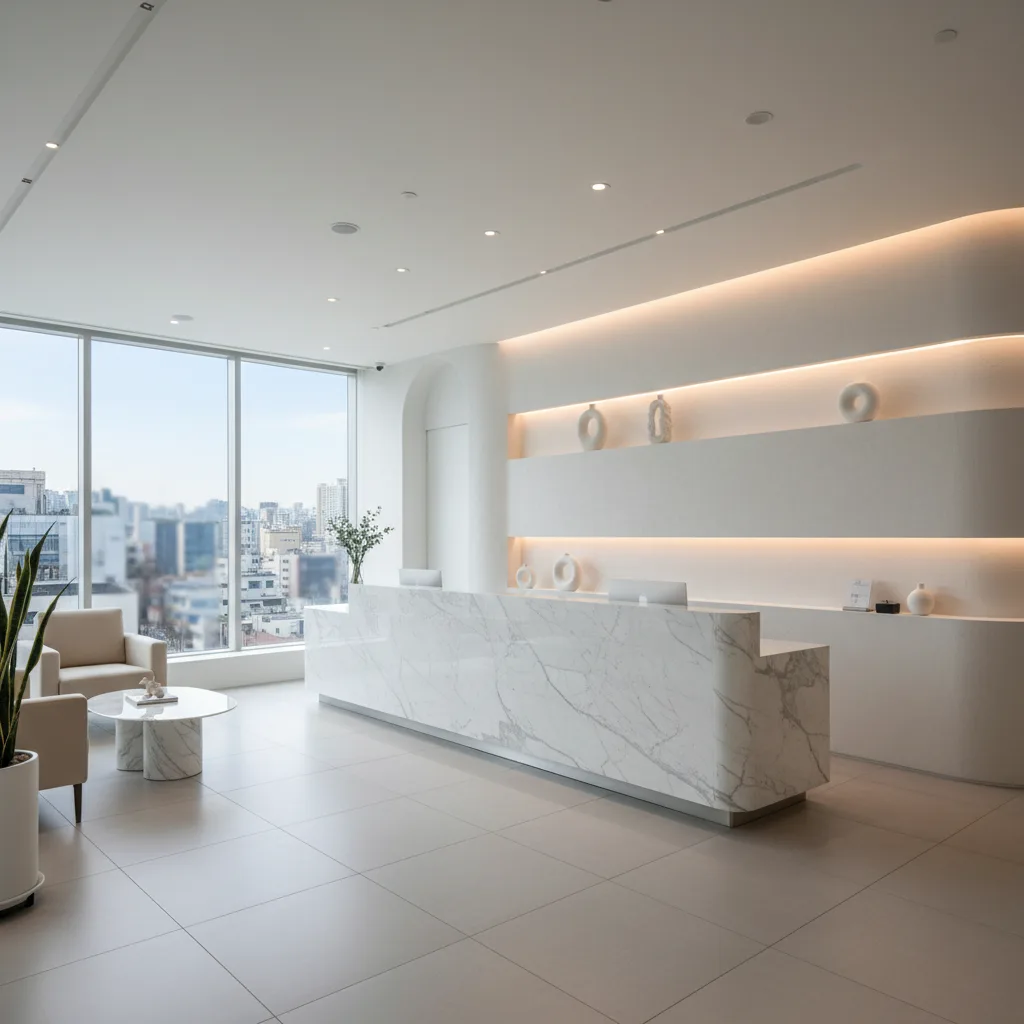
Gangnam is where most medical tourists end up booking, and for good reason. The district has the highest concentration of board-certified dermatologists and plastic surgeons in South Korea, with several hundred aesthetic clinics within a few subway stops of each other. If you are planning a treatment trip to Seoul in 2026, this guide covers the sub-districts, typical price ranges, and what to look for in a clinic before you commit.
WHY GANGNAM HAS SO MANY AESTHETIC CLINICS
The cluster started in the 1990s when several university hospitals relocated south of the Han River, pulling private-practice doctors with them. By the mid-2000s, Gangnam-gu had become the default address for any clinic that wanted to be taken seriously. Today, the density is a practical advantage: you can get consultations at two or three clinics on the same morning without taking a taxi.
International reputation also matters here. Clinics in Gangnam are more likely to have English-speaking coordinators on staff, accept international cards without surcharges, and provide printed aftercare instructions in English or Chinese. That is not universally true in Sinnonhyeon or Seocho, where many clinics cater almost entirely to a domestic patient base.
THE THREE SUB-DISTRICTS WORTH KNOWING
Gangnam Station (Exit 10 or 11) is the densest cluster, with clinics stacked three or four floors deep in the same buildings along Gangnam-daero. This strip skews toward volume-oriented practices: competitive pricing on botox, filler, and lasers, but variable consultation quality. Most clinics here take walk-ins and will see you within an hour of arrival. Price transparency is generally good because competition is intense, and you will often see base rates posted in clinic windows.
Apgujeong (Apgujeong Rodeo station, a 2-minute walk north) is a different tier. The clinics here are larger, the waiting rooms quieter, and the average spend per visit runs 30 to 40 percent higher than at Gangnam Station. You find more specialists in thread lifting, Ultherapy, and surgical contouring at this level. Consultations run longer, and the doctor who consults you is usually the doctor who performs the procedure.
Sinnonhyeon (Sinnonhyeon station, one stop from Gangnam on Line 9) is worth knowing if you want competitive pricing on device-based treatments like RF microneedling or skin boosters without the tourist markup. The clinic density is lower, English support is patchier, but base prices run 10 to 20 percent cheaper than equivalent clinics at Gangnam Station.
WHAT TREATMENTS ARE GANGNAM CLINICS KNOWN FOR?
Injectables dominate the Gangnam Station strip. You will see price boards in lobby windows quoting botox from ₩49,000 to ₩89,000 per area depending on brand. A standard forehead-and-frown-lines session with a mid-tier Korean brand like Nabota runs around ₩120,000 to ₩180,000 total, roughly $90 to $130. That is consistently cheaper than equivalent treatment in Singapore, Tokyo, or Sydney, and the product quality at a licensed Gangnam clinic is the same.
Device treatments are where Apgujeong earns its premium. Ultherapy at Gangnam Station clinics runs ₩600,000 to ₩900,000 for a full-face session. At an Apgujeong clinic with a senior doctor and a newer transducer set, the same treatment costs ₩1,200,000 to ₩1,800,000. The technical difference is real: shot count, transducer maintenance, and the doctor's depth calibration all vary between tiers. Budget clinics often omit the 1.5mm transducer, which matters for surface texture work and fine lines above the lip.
- 01Botox (1 area): ₩49,000–₩89,000 / $35–$65 at Gangnam Station clinics
- 02Filler (1cc): ₩200,000–₩450,000 / $145–$330 depending on brand and clinic tier
- 03Ultherapy (full face): ₩600,000–₩1,800,000 / $440–$1,300 depending on shot count and area
- 04RF microneedling (full face): ₩250,000–₩550,000 / $180–$400
- 05Rejuran (full face, 2 vials): ₩280,000–₩480,000 / $200–$350
HOW DOES GANGNAM PRICING COMPARE TO APGUJEONG AND SINNONHYEON?
The cost difference between Gangnam Station and Apgujeong is real but is not always a quality signal. Some of the best-reviewed botox clinics in Seoul sit in the Gangnam Station cluster and charge ₩59,000 per area. Some mid-tier Apgujeong clinics charge ₩150,000 per area for the same product. The premium in Apgujeong buys you a longer consultation, a more experienced doctor on average, and quieter aftercare. Whether that is worth paying for depends entirely on the treatment.
For a first visit with a straightforward treatment like a single-area botox session or a rejuran course, Gangnam Station or Sinnonhyeon is a sensible starting point. For Ultherapy, thread lifting, or anything requiring precise technique and calibrated settings, Apgujeong or Cheongdam is worth the premium. The rule of thumb: the simpler the treatment, the less clinic tier matters; the more complex the treatment, the more the doctor's hands matter.
HOW TO CHOOSE THE RIGHT CLINIC IN GANGNAM
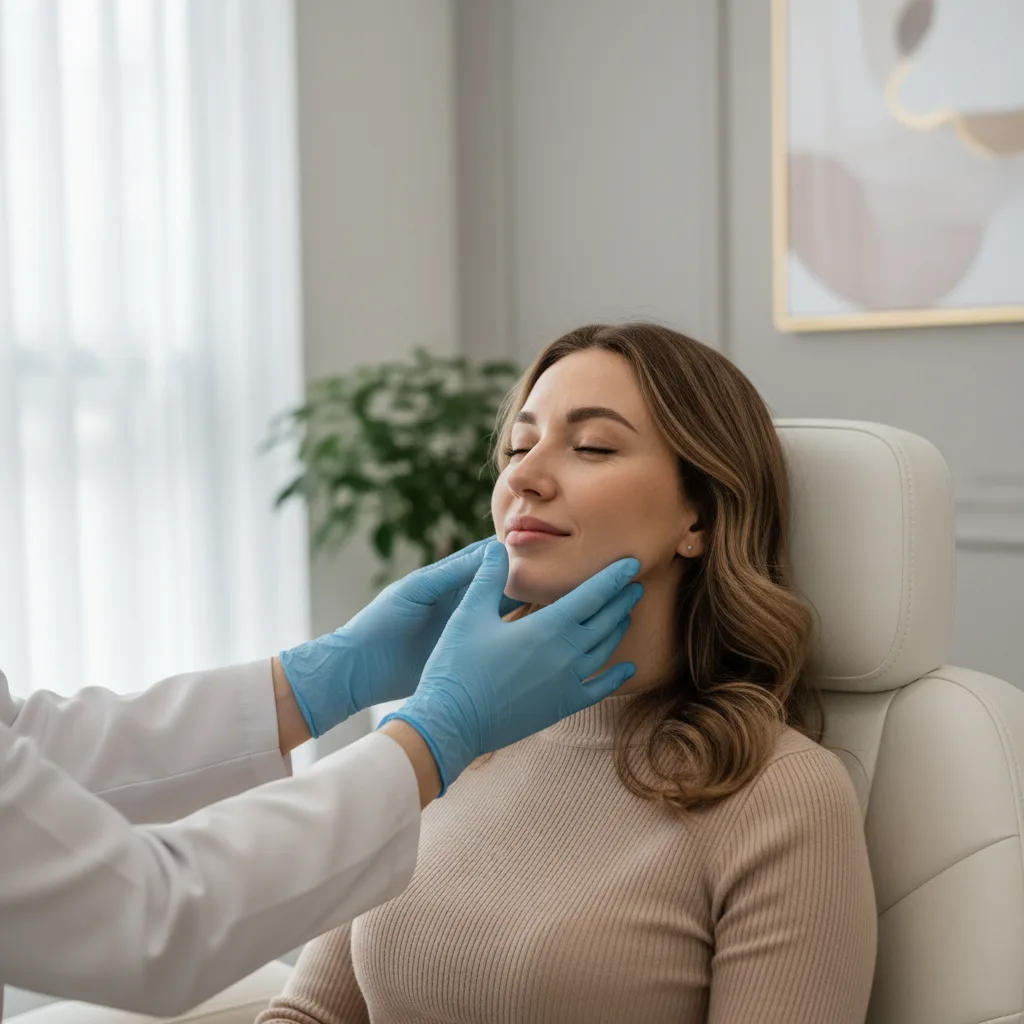
The consultation is the filter. A clinic that skips it, rushes through it, or quotes you a price before examining your face is worth noting. Good Gangnam clinics will have the doctor in the consultation room for at least ten minutes, ask about your medications and skin history, and tell you what they would not recommend, not just what they sell. English coordinators can translate the visit, but you want the doctor communicating directly, not just signing off on the coordinator's pitch.
Bring your treatment shortlist written in Korean. Most clinics have staff who can navigate Google Translate, but Korean text speeds things up and signals you have done your research. Confirm the doctor's name before the session starts, check that the device model matches what was quoted, and ask to see the consumable packaging if you are having injectables. These are not unusual requests. Every well-run Gangnam clinic handles them routinely, and any clinic that bristles at them is one to avoid.
District guides · 5 min · May 14, 2026
← all posts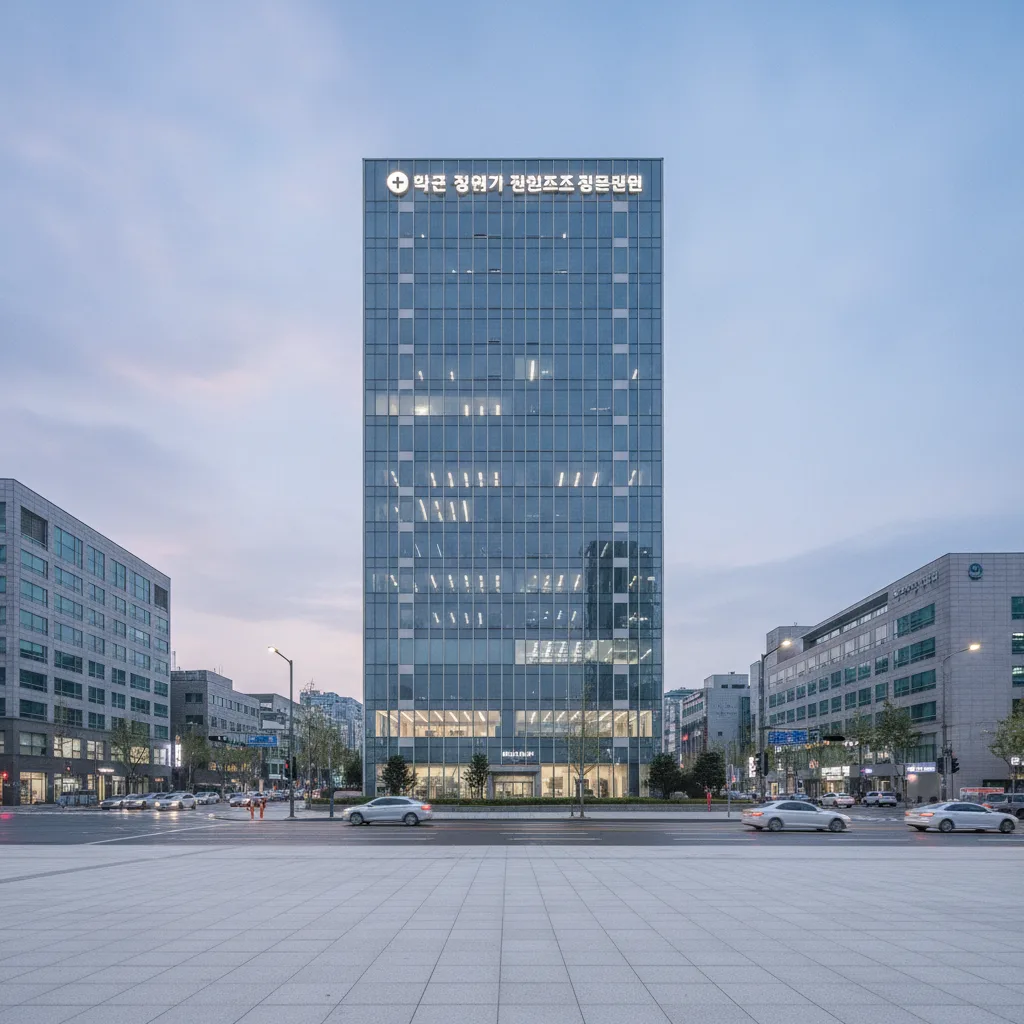
GANGNAM VS APGUJEONG FOR TWO-JAW SURGERY IN SEOUL 2026
Both Seoul districts dominate jaw surgery but optimize for different patients. Here's how to pick yours in 2026.
CHEONGDAM AESTHETIC CLINICS IN SEOUL: 2026 DISTRICT GUIDE
Cheongdam is Seoul's luxury aesthetic corridor. Here is what treatments cost, which streets to walk, and how the neighborhood plays for medical tourists in 2026.
SEONGSU AESTHETIC CLINICS IN SEOUL: 2026 DISTRICT GUIDE
The creative industrial district is quietly building a boutique aesthetic scene. Here is what to expect, what it costs, and who it suits.
SINSA AESTHETIC CLINICS IN SEOUL: 2026 DISTRICT GUIDE
A walkable, design-led pocket between Apgujeong and Sinsa Station that quietly hosts some of Seoul's most balanced clinics.
HONGDAE AESTHETIC CLINICS IN SEOUL: 2026 DISTRICT GUIDE
What to know before booking a clinic in Hongdae: who the district suits, what treatments fit, and what you will actually pay versus Gangnam.
▶▶▶ stop reading. start matching.
FIND YOURS.
We'll pull five clinics matched to your case. WhatsApp reply within 24h.