SKIN BOOSTERS IN SEOUL: JUVELOOK, PROFHILO & SCULPTRA 2026 GUIDE
Juvelook, Profhilo, Sculptra, Skinvive at Seoul clinics: 2026 prices, what each does, which booster fits your trip.
By Editorial
Skin boosters have become the go-to add-on at almost every Gangnam aesthetic clinic, and the brand list keeps growing. Most foreign visitors land in Seoul with a vague idea of "collagen injections" and end up choosing between four or five very different products at the consultation. This guide breaks down what each one does, what they cost in 2026, and which ones are worth flying for.
WHAT SKIN BOOSTERS MEAN IN SEOUL
"Skin boosters" is a marketing umbrella, not a single product class. In Seoul clinics the term covers polymer-based biostimulators (Sculptra, Juvelook), hyaluronic-acid microdroplet injections (Profhilo, Skinvive), and sometimes polynucleotide products like Rejuran get listed on the same menu page even though the mechanism is different. The thing they share is improving skin quality (texture, firmness, hydration) rather than adding volume the way a filler does. Most clinics inject them across the cheeks, jawline, and neck in a grid pattern, sometimes with a microneedle gun rather than individual needles. The session usually lasts 30 to 45 minutes, and you walk out with small red bumps that settle within a day. The confusing part for first-timers is that two clinics will quote prices for the same brand that differ by 40%, mostly because of how many vials are bundled and whether the price is per syringe or per session.
This category sits between two adjacent ones that visitors often mix up. Fillers add volume to a specific area (lips, cheek hollows, nasolabial folds) with a hyaluronic-acid gel that stays in place for nine to eighteen months. Lasers and RF microneedling work on the surface or upper dermis to remodel skin without injecting product. Skin boosters land in the middle: needle-delivered, dermal, but designed to spread out across the face and signal slow improvement over weeks. The right choice depends on what your skin is missing, not on which brand the clinic stocks most heavily.
THE BRAND LANDSCAPE: JUVELOOK, PROFHILO, SCULPTRA, SKINVIVE
Juvelook has become the dominant Korean-made biostimulator in Seoul over the last two years. It uses poly-D,L-lactic acid (PDLLA) mixed with hyaluronic acid, gives an immediate hydration effect plus gradual collagen building over about three months, and most Gangnam clinics now stock it as their default booster option. The price advantage comes partly from local manufacturing; the cosmetic advantage comes from the HA carrier hiding the early gap that older PLLA products had before collagen kicked in.
Profhilo, the Italian hyaluronic-acid product, runs at the higher end of the price range but earns its reputation with foreign visitors who already know the name. It works by slow-releasing high and low molecular weight HA across five injection points per side of the face, called the BAP technique. Sculptra is the original poly-L-lactic-acid stimulator and still gets prescribed for visible volume loss in the mid-face, though Seoul clinics increasingly steer patients toward Juvelook for cost reasons. Skinvive is the Allergan microdroplet HA product that arrived in Korea in 2024, marketed as a glow injectable rather than a structural one, and tends to sell to clients who want a single gentle session before an event.
HOW MUCH DO SKIN BOOSTERS COST IN SEOUL?
Pricing in Seoul splits cleanly by brand and by how the menu is structured. Juvelook runs around ₩280,000 to ₩400,000 per vial (about $210 to $300) at mid-tier Gangnam clinics, with most full faces needing two vials per session and a three-session course. Profhilo lands between ₩650,000 and ₩900,000 per session (about $490 to $680), and clinics usually price it as a two-session course six weeks apart. Sculptra is sold per vial at ₩550,000 to ₩750,000 (about $415 to $565), typically two to three vials per face. Skinvive sits at ₩400,000 to ₩550,000 per syringe (about $300 to $415), with most clinics quoting one to two syringes for a full-face glow protocol.
If you see a price meaningfully below those ranges, ask whether it's a partial vial, a half-face session, or an intro promotion that resets at the second visit. The hidden cost most first-timers miss is the 10% VAT, which some Apgujeong premium clinics list separately and some include silently. The best-value Seoul clinics roundup covers which tiers tend to keep their menus transparent.
WHAT TO EXPECT AT THE APPOINTMENT
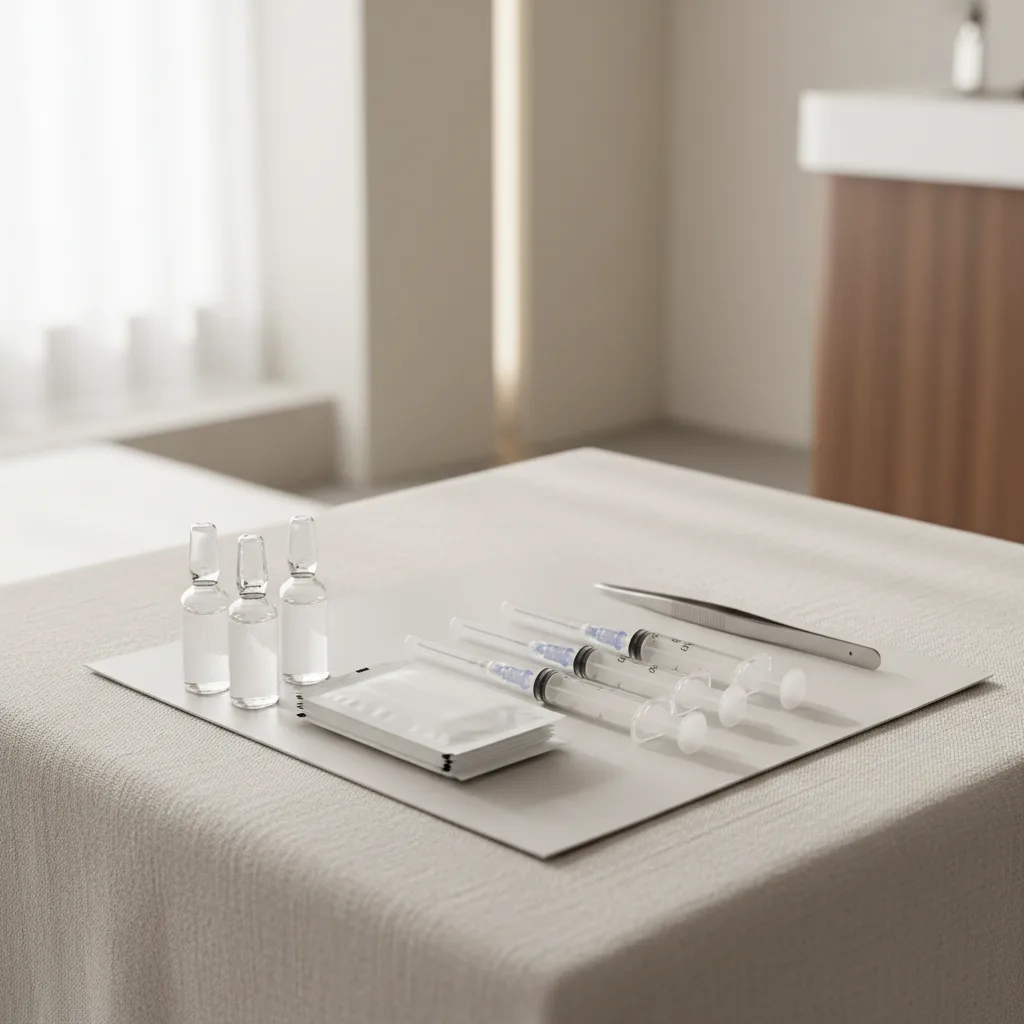
The first 15 minutes are consultation. A Korean doctor or a staff translator will examine your skin and pitch a protocol. Expect them to recommend two or three sessions rather than one, because the products need a course to do their job. Numbing cream sits for 20 minutes before injection. Most clinics use a fine needle in a grid pattern across cheeks, jawline, sometimes under-eye and neck. Some upgrade to a microneedling gun (extra ₩50,000 to ₩100,000) that bruises less but costs more.
Bruising shows up in maybe 30% of patients, usually small dots that fade in three to five days. You can put makeup on the next morning, and most boosters don't carry the same flight restrictions that hyaluronic-acid fillers do. The follow-up appointment lands four to six weeks later, and you should book it before leaving the clinic to lock in the same operator's protocol. The same hand on each session matters: depth and grid spacing change the result more than the brand does.
SKIN BOOSTERS VS REJURAN VS EXOSOMES: WHICH GOES FIRST?
This is the single most-asked question in foreign-visitor consultations. Rejuran, exosomes, and skin boosters all sit on the same menu page and look interchangeable in the marketing material, but the mechanisms differ. Rejuran is a polynucleotide that signals fibroblasts to repair damaged dermis (scarring, thin skin, sun damage); the Rejuran in Seoul guide covers that ladder in detail. Exosomes deliver growth-factor signals, usually after a barrier-breaking procedure like RF microneedling. Skin boosters do something different: they put product into the dermis that either physically holds water (HA-based boosters) or scaffolds new collagen over months (polymer-based).
The clean sequencing most Gangnam doctors recommend: address damage first with Rejuran or RF microneedling, then layer skin boosters once the skin can hold them, then add filler last for any volume gaps. Don't book all three on the same visit unless the clinic explicitly times them out for you. A skin booster injected immediately after exosomes wastes both products, and a session of Sculptra layered on top of fresh Ultherapy lines undermines the lift.
- 01Juvelook: ₩280,000-400,000 per vial, three-session course six weeks apart
- 02Profhilo: ₩650,000-900,000 per session, two sessions six weeks apart
- 03Sculptra: ₩550,000-750,000 per vial, typically two to three vials per face
- 04Skinvive: ₩400,000-550,000 per syringe, one to two syringes for glow protocols
- 05Microneedle gun upgrade: add ₩50,000-100,000 per session
- 0610% VAT: sometimes included in the listed price, sometimes added at checkout
WHEN SKIN BOOSTERS AREN'T WORTH THE SPEND
For visitors with already-good skin texture and no specific concern, skin boosters give a subtle result that's hard to photograph. If your goal is a sharper jawline or visible lifting, you want Ultherapy or thread lifting, not a booster. If you have active acne or rosacea, postpone the appointment; the injection grid can flare both. Pregnant or breastfeeding visitors should skip the polymer-based products entirely, and most Korean clinics will refuse to inject Sculptra or Juvelook in either case.
The trip-length problem catches a lot of first-time visitors. One session of any of these products delivers maybe 20% of the eventual result, and you can't fly back six weeks later for the follow-up unless your trip already accommodates two visits. A four-day Seoul itinerary is too short to start a booster course; spend that budget on something with a single-session payoff instead, then plan a return trip for boosters when the calendar works.
Treatment guides · 7 min · May 13, 2026
← all posts
REJURAN VARIANTS EXPLAINED: HEALER, I, S, HB, EYE IN SEOUL
Every Rejuran type does something different. Here is what each variant treats, what it costs in Seoul, and which one your first booking should be.
SKIN BOOSTERS IN SEOUL 2026: JUVELOOK, PROFHILO, SCULPTRA GUIDE
A first-timer's cost, brand and clinic guide to skin boosters and collagen biostimulators in Seoul for 2026.
REVISION RHINOPLASTY IN SEOUL 2026: FIXING A FAILED NOSE JOB
A practical Seoul revision rhinoplasty guide covering cost, timing, cartilage sourcing, top districts, and which surgeons actually take secondary cases.
BREAST LIFT (MASTOPEXY) IN SEOUL 2026: COST, TECHNIQUES, RECOVERY
Everything a first-time medical tourist needs to know about mastopexy in Seoul: incision types, KRW pricing, recovery windows, and how it differs from augmentation.
LATERAL CANTHOPLASTY IN SEOUL: THE CAT EYE SURGERY GUIDE (2026)
How Korean surgeons lift the outer eye corner for a subtle cat-eye look, what it costs, and who it fits.
▶▶▶ stop reading. start matching.
FIND YOURS.
We'll pull five clinics matched to your case. WhatsApp reply within 24h.