EXOSOMES IN SEOUL: 2026 GUIDE TO PDRN, ASCE+ & COSTS
Korean clinics lead exosome and PDRN therapy in 2026. Here is what foreign patients need on brands, prices, and results.
By Editorial
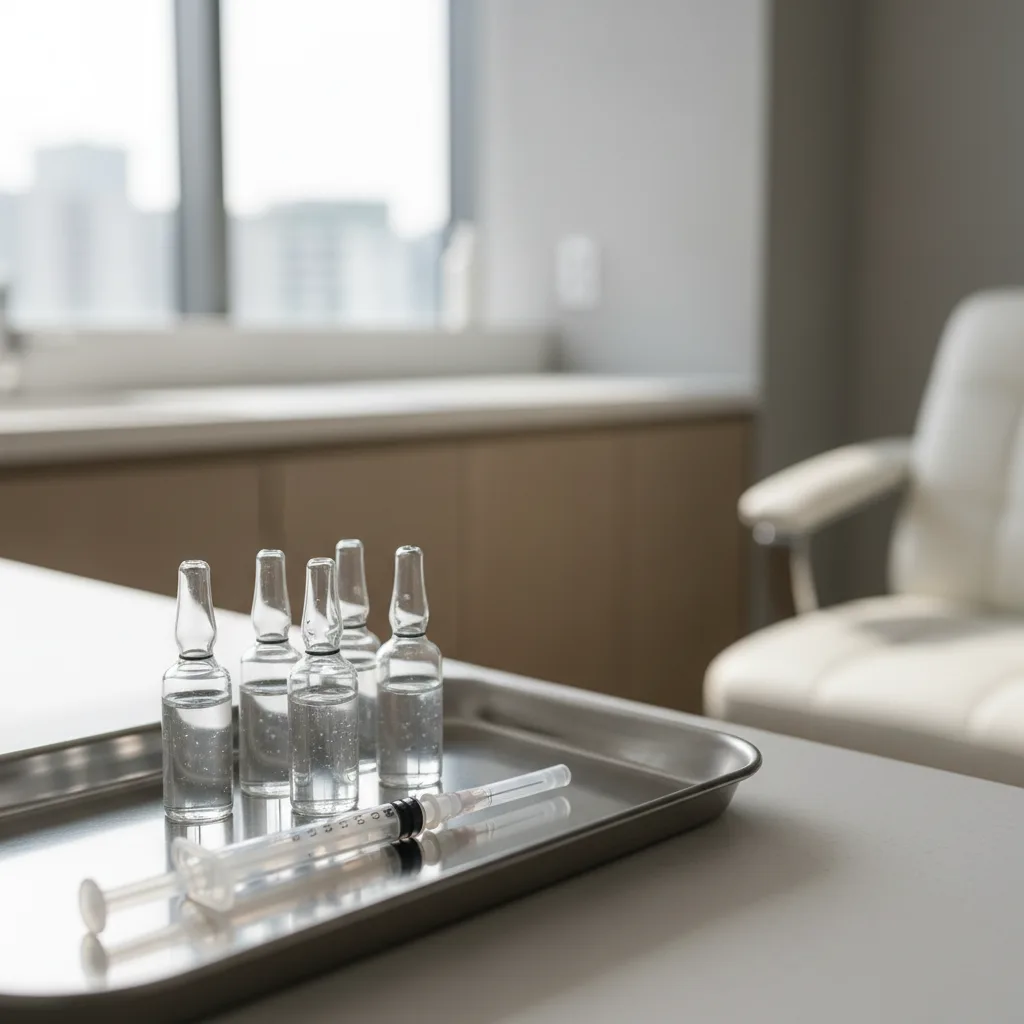
Exosome and PDRN therapy moved from a niche experimental treatment to a standard menu item across Seoul's aesthetic clinics over the past two years. The protocols here are tighter, the brand variety is wider, and the prices sit at roughly half of what the same treatments cost in the US or Australia. For foreign patients, this is one of the clearer cases where flying to Seoul actually changes the math.
WHAT EXOSOMES ACTUALLY ARE (AND WHY KOREA LEADS ON THIS TREATMENT)
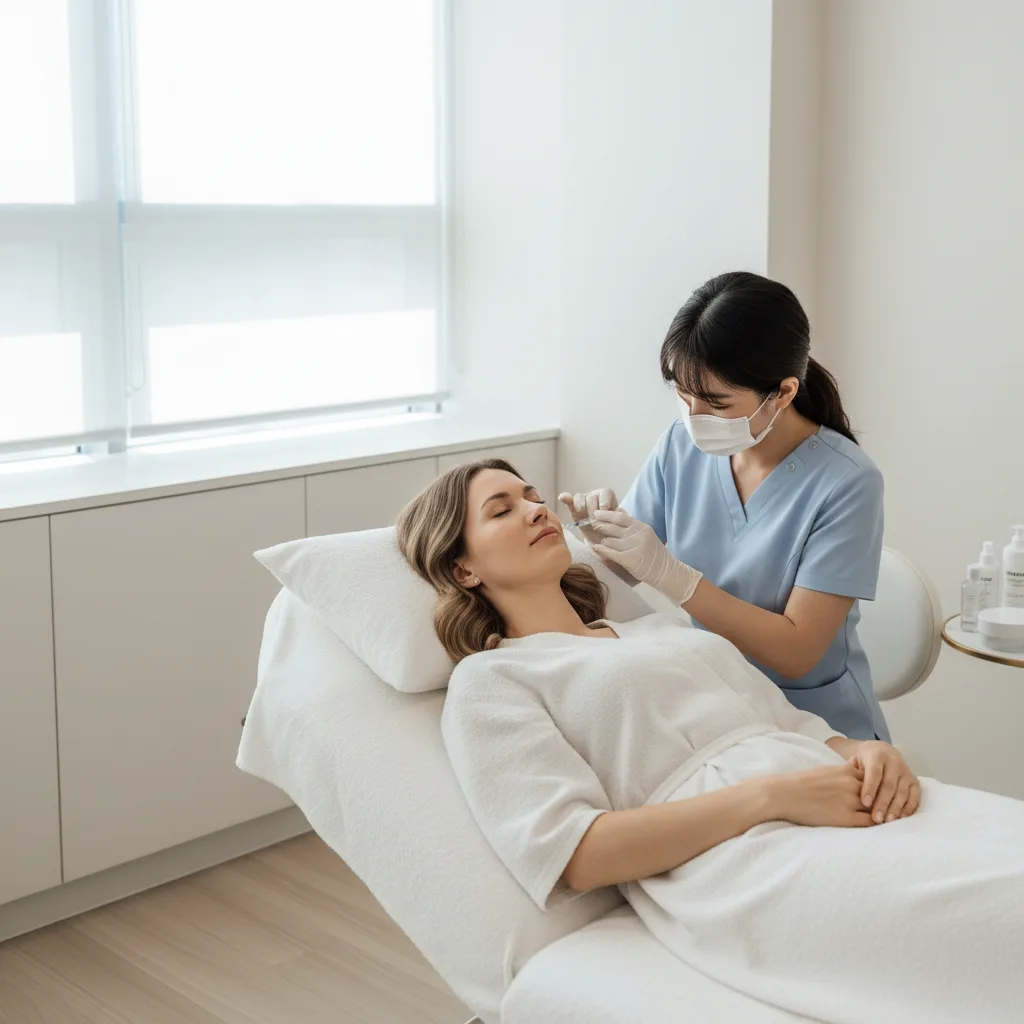
Exosomes are tiny lipid vesicles secreted by stem cells. They carry growth factors, peptides, and genetic material that signal nearby cells to repair damaged tissue and produce more collagen. The treatment in clinic involves either direct injection into the skin or topical application after a microneedling or laser session that opens microchannels for absorption. Korean clinics have run high-volume exosome programs since 2021, which is why protocol variation is wider here than in markets where the treatment is newer. A patient walking into a Gangnam clinic in 2026 is choosing from a menu that has been iterated on for five years.
PDRN is a related but distinct molecule, polydeoxyribonucleotide, derived from salmon DNA. It works through a different pathway by activating adenosine receptors that trigger tissue repair, blood vessel formation, and reduced inflammation. Most Seoul clinics offer both, often in the same session, with the clinic choosing the combination based on the skin issue presented. A pigmentation patient and an acne-scar patient walk out of the same clinic with two different exosome protocols on the same day, and both are correct for their concern.
ASCE+, BENEV, AND THE OTHER BRANDS YOU'LL SEE ON KOREAN MENUS
ASCE+ is the dominant exosome brand in Seoul in 2026 and the one most foreign patients see first. It is Korean-made by ExoCoBio and runs higher exosome counts per vial than most international competitors, which is part of why Korean clinics standardised on it. Benev Exosome is the other heavyweight, a US-made product that several Apgujeong and Cheongdam clinics use for patients who specifically request a non-Korean brand or who are familiar with it from home. Both products are clinical-grade and produce similar effects on the skin, with the differences sitting in vial concentration, the protocol the clinic builds around them, and the price the clinic charges per session.
Beyond those two, you will see PDRN brands including Rejuran, PDRN Korea, and a handful of clinic-private formulations. Rejuran is technically a polynucleotide rather than pure PDRN, but the line gets blurry in marketing, and the Rejuran healer treatment guide for Seoul covers how that one fits into the same family. The takeaway for a first-time patient is that brand matters less than dose, frequency, and the practitioner's experience with the device or injection technique used to deliver the product. A skilled injector with a mid-tier brand will outperform an inexperienced injector with a premium brand every time.
EXOSOMES VS PDRN VS REJURAN: HOW PATIENTS ACTUALLY CHOOSE
The choice usually comes down to skin concern rather than brand preference. Exosomes are the strongest pick for overall skin quality, post-laser recovery, and patients with thin or aging skin that needs a regenerative push. PDRN sits closer to wound healing, which makes it the standard add-on after RF microneedling, fractional lasers, or aggressive peels. Rejuran is the cleanest pick for acne scars, post-acne texture, and the under-eye area, where its viscosity holds shape better than thinner exosome solutions.
Most Seoul clinics will not push one over the others. They will run a skin scan, assess what the patient came in for, and propose a course that often combines two of the three across three to four sessions. A typical aging-skin program looks like exosomes plus PDRN, two weeks apart, four sessions total. A scarring program looks more like RF microneedling with Rejuran, then a follow-up with exosomes a month later. The protocol depth is the real value of getting these treatments in Korea, and it is what separates a Gangnam clinic from a one-room operation in a less specialised market.
WHAT DOES AN EXOSOME SESSION COST IN SEOUL IN 2026?
Pricing in 2026 sits at the lower end of what most foreign patients expect coming from Western markets. A single ASCE+ exosome session with topical application after microneedling runs ₩250,000 to ₩450,000 (about $180 to $325) at most Gangnam mid-range clinics. Direct injection sessions cost more, in the ₩350,000 to ₩600,000 range ($255 to $435), because the practitioner uses more product and runs the session longer. Apgujeong and Cheongdam premium clinics bill higher, often ₩600,000 to ₩900,000 ($435 to $650) per session, where the difference covers physician injection, longer consultation time, and frequently more vials per session.
- 01ASCE+ topical exosome with microneedling: ₩250,000 to ₩450,000 ($180 to $325)
- 02ASCE+ direct injection: ₩350,000 to ₩600,000 ($255 to $435)
- 03Benev Exosome injection: ₩400,000 to ₩700,000 ($290 to $510)
- 04PDRN injection course (3 sessions): ₩450,000 to ₩750,000 ($325 to $545) total
- 05Combined exosome plus PDRN single session: ₩500,000 to ₩850,000 ($360 to $620)
HOW LONG DO EXOSOME RESULTS LAST?
Results from a single exosome session show up at the two-week mark and peak around six to eight weeks as collagen remodeling completes. The improvement holds for three to five months from a single session, which is why most clinics build the treatment as a course of three to four sessions spaced two to three weeks apart. The course-driven results last longer, often six to twelve months before patients return for a maintenance session. This is roughly the same maintenance cadence as a first-time Ultherapy treatment in Seoul, which is why pairing the two treatments is common in Apgujeong programs.
WHERE TO GET EXOSOMES IN SEOUL: DISTRICT NOTES
Sinnonhyeon is the highest-volume district for exosome treatments in 2026, with rows of clinics around exits 4 and 5 of Sinnonhyeon Station running back-to-back ASCE+ sessions through the day. The pricing here is the most competitive, and English support varies by clinic, with the busier ones running coordinator-tier translators. Apgujeong sits at the premium end, with longer consultations, more vials per session, and physician-level injectors who handle the whole session rather than handing off to a nurse. Cheongdam splits the difference and is where many Korean celebrities go for their exosome maintenance, which keeps the protocol bar high.
For first-time foreign patients, Sinnonhyeon offers the best value-to-quality ratio for a single exosome session, while Apgujeong is worth the extra cost for full-course programs that combine exosomes with HIFU, threads, or RF microneedling. Many non-surgical jawline programs in Seoul build exosomes in as the recovery layer after thread lifting or HIFU, since the exosome session calms post-treatment inflammation and pushes faster collagen turnover. The best price-to-quality clinics in Seoul guide covers which specific clinics in each district handle high-volume exosome work. Most foreign patients book a consultation first, then return the next day for the actual session, which gives the clinic time to confirm vials and run a baseline skin scan.
Treatment guides · 7 min · May 12, 2026
← all posts
REJURAN VARIANTS EXPLAINED: HEALER, I, S, HB, EYE IN SEOUL
Every Rejuran type does something different. Here is what each variant treats, what it costs in Seoul, and which one your first booking should be.
SKIN BOOSTERS IN SEOUL 2026: JUVELOOK, PROFHILO, SCULPTRA GUIDE
A first-timer's cost, brand and clinic guide to skin boosters and collagen biostimulators in Seoul for 2026.
REVISION RHINOPLASTY IN SEOUL 2026: FIXING A FAILED NOSE JOB
A practical Seoul revision rhinoplasty guide covering cost, timing, cartilage sourcing, top districts, and which surgeons actually take secondary cases.
BREAST LIFT (MASTOPEXY) IN SEOUL 2026: COST, TECHNIQUES, RECOVERY
Everything a first-time medical tourist needs to know about mastopexy in Seoul: incision types, KRW pricing, recovery windows, and how it differs from augmentation.
LATERAL CANTHOPLASTY IN SEOUL: THE CAT EYE SURGERY GUIDE (2026)
How Korean surgeons lift the outer eye corner for a subtle cat-eye look, what it costs, and who it fits.
▶▶▶ stop reading. start matching.
FIND YOURS.
We'll pull five clinics matched to your case. WhatsApp reply within 24h.