SKIN BOOSTERS IN SEOUL 2026: JUVELOOK, PROFHILO, SCULPTRA GUIDE
A first-timer's cost, brand and clinic guide to skin boosters and collagen biostimulators in Seoul for 2026.
By Editorial
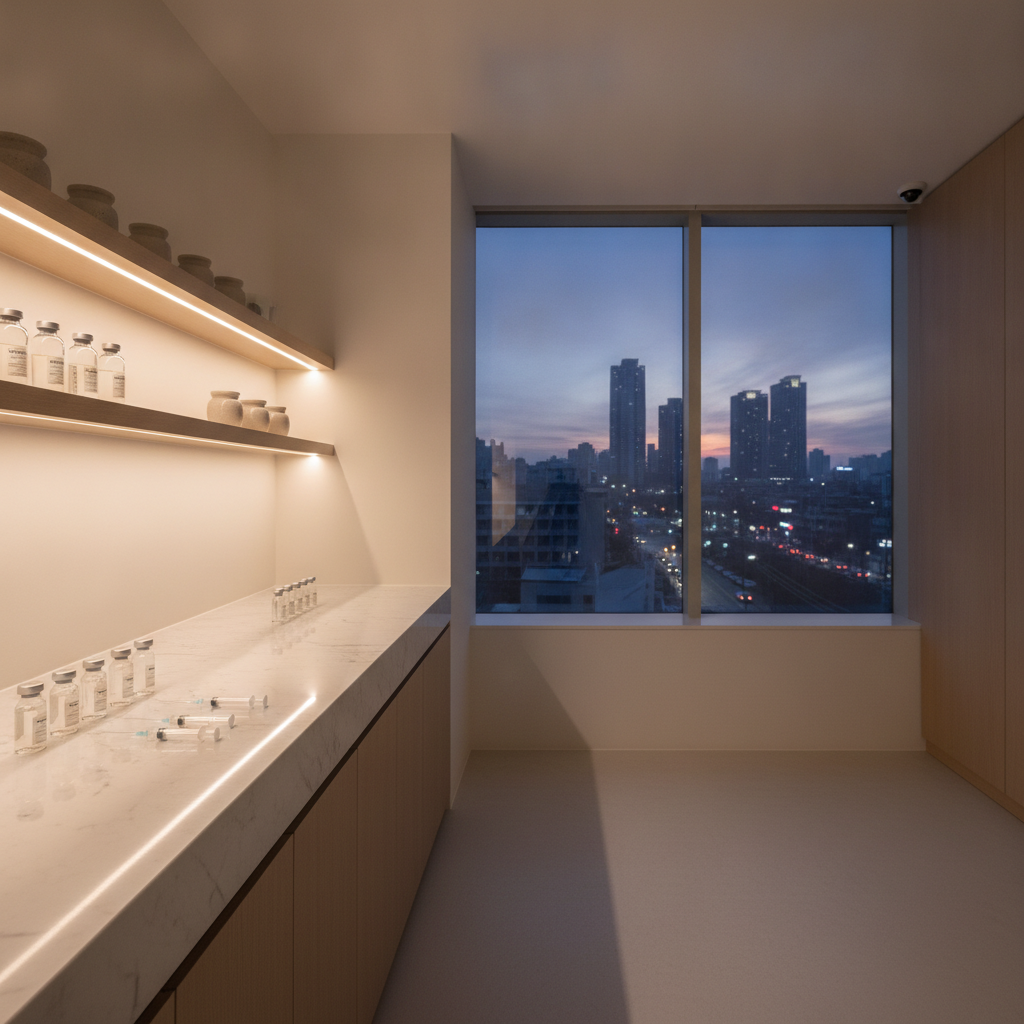
Skin boosters are the injectable category quietly powering the Seoul "glass skin" look you see all over Instagram, and in 2026 the menu has never been more crowded. Juvelook, Profhilo, Sculptra, Skinvive and a growing shelf of Korean copycats each promise the same headline, thicker collagen, better light reflection, less makeup. This guide breaks down what these products actually are, what they cost in Seoul this year, and how to choose between them without falling for a package upsell.
WHAT SKIN BOOSTERS ACTUALLY DO
Skin boosters are injectables that sit under the dermis and stimulate your own collagen and elastin production over weeks and months, rather than filling a hollow the way traditional hyaluronic acid fillers do. The active ingredient depends on the brand. Juvelook and Rejuran run on PDLLA and polynucleotides. Profhilo relies on ultra-pure hybrid hyaluronic acid. Sculptra uses poly-L-lactic acid. Skinvive from Allergan is a lighter HA microdroplet formulation. The common thread is a slow build, not an instant plump.
The visible result on a Seoul patient is usually described as skin quality rather than volume. Fine lines look softer, pores tighten, the cheeks reflect light more evenly, and foundation sits differently. If you want the difference between a healer and a plumper, Rejuran versus skin boosters is a useful comparison point because Rejuran leans into repair while a booster like Sculptra leans into structural collagen.
Seoul dermatologists tend to layer these products rather than pick one. A typical Cheongdam protocol pairs Juvelook or Rejuran with a small amount of Botox on the masseter and Ultherapy once a year for firmness. That layering is why prices creep up fast once you sit in the consultation chair.
JUVELOOK, PROFHILO, SCULPTRA AND SKINVIVE COMPARED
Juvelook is a Korean-manufactured PDLLA microsphere product suspended in HA, and it is the most-injected booster in Seoul at the moment. Clinics price a single vial around ₩350,000 to ₩500,000, roughly $250 to $360, and most protocols call for two sessions spaced four weeks apart. The comfort profile is friendly, tiny bumps for 24 to 48 hours and then normal skin.
Profhilo is the Italian original in the hybrid HA category and still commands a premium in Korea. A single-session Profhilo run on the face averages ₩550,000 to ₩800,000, about $400 to $580, and it uses a fixed five-point injection pattern per side. Two sessions one month apart is the standard cycle. Profhilo shines when the goal is bounce rather than pigmentation.
Sculptra is the deepest-acting option and the most operator-dependent. In Seoul the branded product runs ₩700,000 to ₩1,100,000 per vial, roughly $500 to $800, and full-face rejuvenation usually needs three vials over three sessions. It is the right pick for patients in their late thirties and forties who have lost structural collagen in the temples and cheeks. Ask about dilution volume before you agree, since higher dilution and longer massage windows correlate with fewer nodules.
Skinvive from Allergan is the newest arrival in Korean dermatology clinics, priced at ₩420,000 to ₩600,000 per treatment, about $310 to $440. It is a smart choice for younger patients who want the glass-skin surface effect without committing to a full biostimulator protocol. Results peak at around three months and hold for six.
WHAT A SKIN BOOSTER SESSION IN SEOUL ACTUALLY LOOKS LIKE
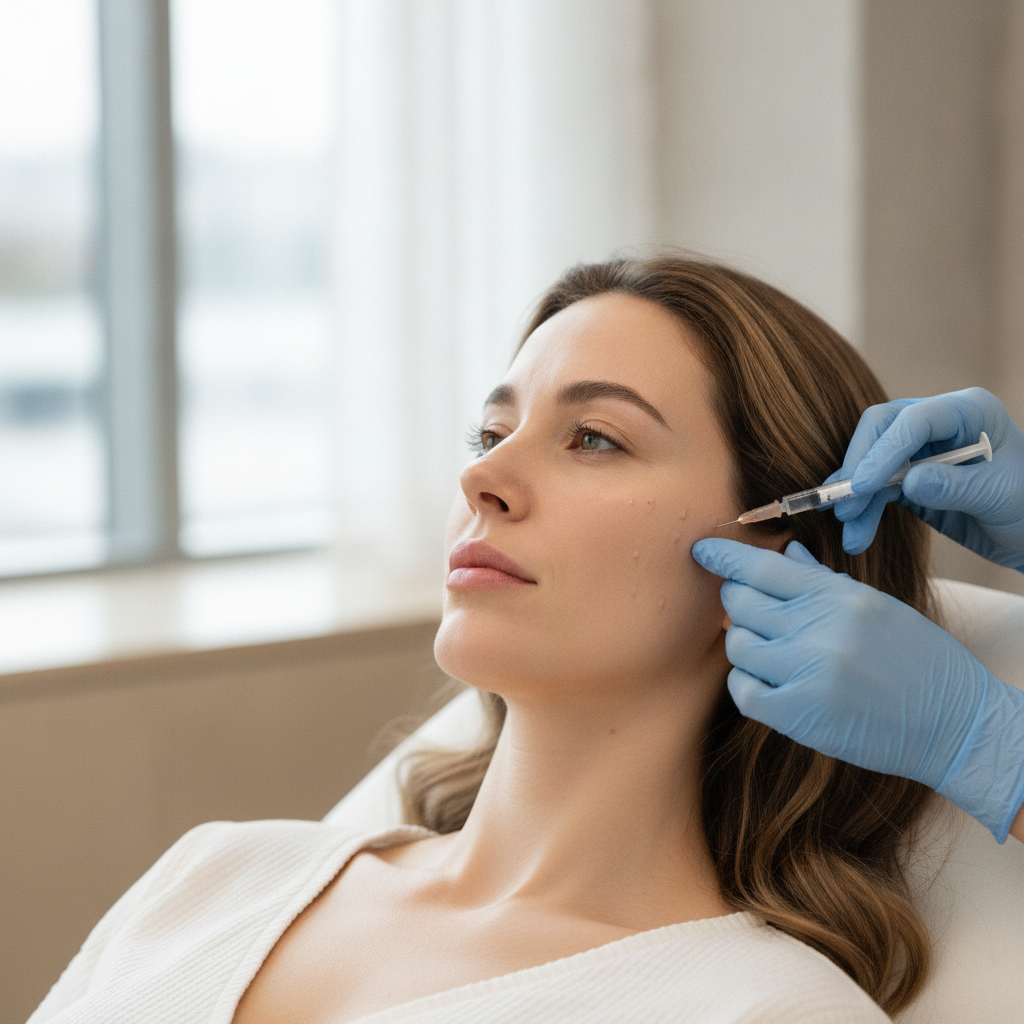
Most Seoul skin booster appointments run 45 to 75 minutes door to door. You arrive, wash your face at the sink station, and sit for numbing cream for 20 to 30 minutes under a warm lamp. The injector, usually a Korean board-certified dermatologist or an aesthetic nurse under direct supervision, then maps the injection points with a white pencil. The injection phase itself takes 10 to 15 minutes and uses either a fine 32G needle or a blunt-tip cannula through two entry points per cheek.
Expect small welts and pinpoint redness for the rest of the day and mild swelling around the eyes and jawline for 24 hours. Most patients walk into a café in Sinsa or Apgujeong right after and no one blinks. Bruising happens in around one in ten sessions and is worst if you took NSAIDs or drank alcohol the day before. Skip Ibuprofen for three days pre-treatment.
You will be told to avoid saunas, jjimjilbangs, hot yoga and alcohol for 48 hours, plus no strenuous cardio for 24 hours. Massage instructions matter more for Sculptra than for Juvelook or Profhilo. If you booked Sculptra, follow the five-five-five rule your clinic gives you, five minutes of self-massage five times a day for five days, without exception. For a broader breakdown of what to expect on any Seoul aesthetics visit, the first-timer clinic playbook is worth reading before you walk in.
- 01Numbing cream: 20 to 30 minutes
- 02Injection time: 10 to 15 minutes
- 03Immediate downtime: 4 to 24 hours of redness and small bumps
- 04No sauna or alcohol: 48 hours
- 05Peak result: 6 to 12 weeks after final session
- 06Repeat cycle: every 9 to 12 months for HA-based, every 18 months for Sculptra
COST, DISTRICTS AND PACKAGE TRAPS
Cheongdam and Apgujeong price boosters roughly 20 to 30 percent higher than the same brands in Sinnonhyeon or Gangnam Station clinics. The premium buys you longer consultation time, higher-experience injectors, and often the original branded product rather than a Korean-authorised equivalent. If budget matters more than the postcode, Sinnonhyeon exit 3 has a cluster of dermatology clinics with strong reputations and prices that read closer to the numbers above than 40 percent north of them.
Package deals are where the sticker shock hits. A common upsell in Cheongdam is the "glass skin bundle" that combines two Juvelook sessions, four exosome facials and one Ultherapy line at ₩2.8 million, around $2,050. It is not a bad deal on paper, but only if you actually wanted Ultherapy. For a broader read on what these bundles hide, cross-reference with the Ultherapy market breakdown covering lifting alternatives in the same clinics.
Payment in KRW cash or by Korean-issued card is often 5 to 8 percent cheaper than international cards, since the clinic absorbs the FX and processing fee. If you are booking multiple sessions, ask about a per-session discount rather than a locked package, so you can walk away between sessions if your skin does not respond. Consultation fees run ₩30,000 to ₩100,000 and are usually waived if you book a treatment on the same visit.
WHO SHOULD SKIP SKIN BOOSTERS?
Skin boosters are not the right entry point for patients with active acne, untreated melasma or a history of autoimmune skin flare. Seoul clinics will still sell you a session, but the smart protocol is to stabilise the underlying condition first with a laser toning or Rejuran run before adding a collagen stimulator. Patients under 25 rarely need a biostimulator, and money is usually better spent on an exosome or PDRN scalp and skin package or targeted laser work.
Pregnant and breastfeeding patients should postpone. Anyone on isotretinoin should wait six months post-course before doing PDLLA or PLLA injections. If you have keloid-prone skin, tell the injector before consent and ask them to reduce entry-point count and use cannula only.
Treatment guides · 7 min · Sep 21, 2026
← all postsFAQ.
How are skin boosters different from fillers?+
How much do skin boosters cost in Seoul?+
When will I see results from skin boosters?+
Is there downtime?+
Who is a good candidate for skin boosters?+
Pricing ranges reflect typical premium SeoulClinics partners and are indicative — actual quotes come from the consult. None of this replaces a licensed Korean clinician's evaluation.
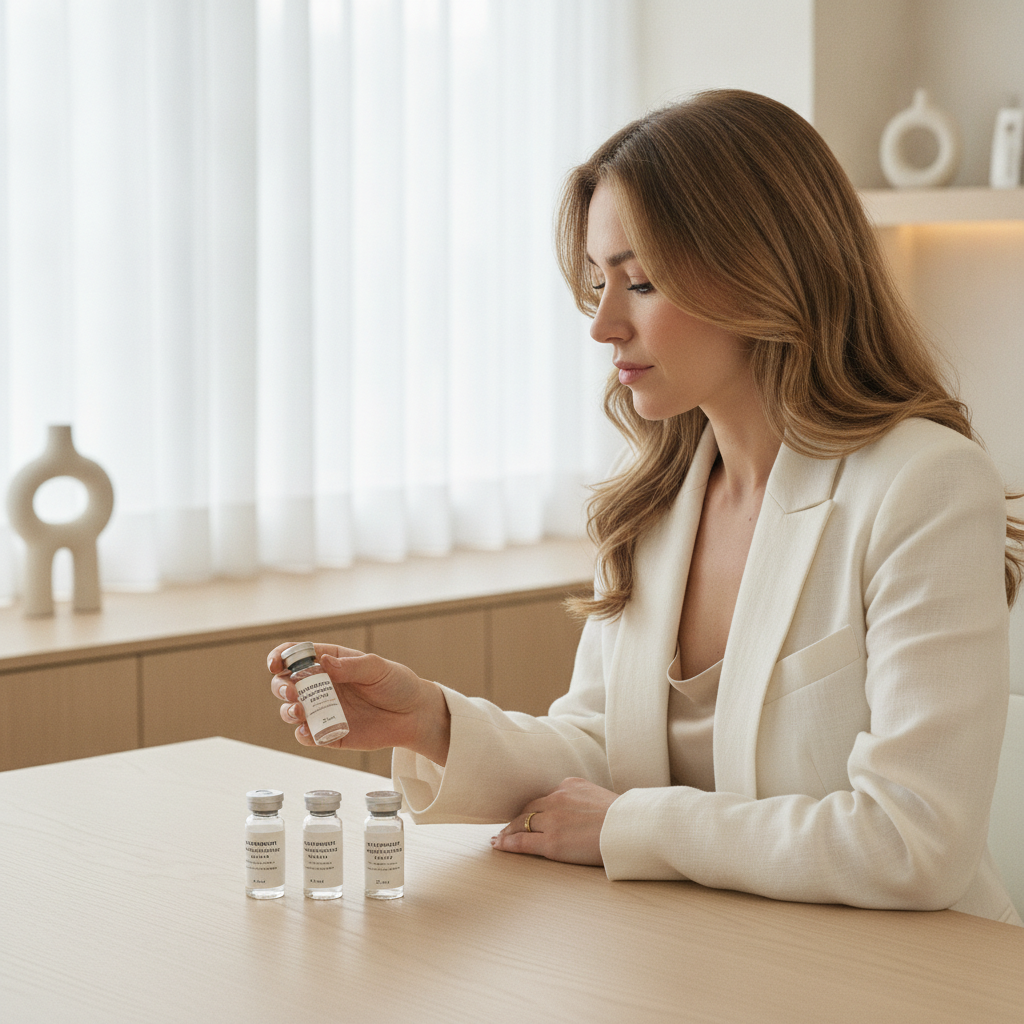
REJURAN VARIANTS EXPLAINED: HEALER, I, S, HB, EYE IN SEOUL
Every Rejuran type does something different. Here is what each variant treats, what it costs in Seoul, and which one your first booking should be.
REVISION RHINOPLASTY IN SEOUL 2026: FIXING A FAILED NOSE JOB
A practical Seoul revision rhinoplasty guide covering cost, timing, cartilage sourcing, top districts, and which surgeons actually take secondary cases.
BREAST LIFT (MASTOPEXY) IN SEOUL 2026: COST, TECHNIQUES, RECOVERY
Everything a first-time medical tourist needs to know about mastopexy in Seoul: incision types, KRW pricing, recovery windows, and how it differs from augmentation.
LATERAL CANTHOPLASTY IN SEOUL: THE CAT EYE SURGERY GUIDE (2026)
How Korean surgeons lift the outer eye corner for a subtle cat-eye look, what it costs, and who it fits.
ZYGOMA REDUCTION IN SEOUL 2026: CHEEKBONE SURGERY GUIDE
What zygoma reduction actually involves in Korea, who it suits, and what it costs at real Seoul clinics in 2026.
▶▶▶ stop reading. start matching.
FIND YOURS.
We'll pull five clinics matched to your case. WhatsApp reply within 24h.