TWO-JAW SURGERY SEOUL 2026: COST, RECOVERY, CLINIC CHECKLIST
A hub guide to orthognathic surgery in Seoul for medical tourists: KRW price bands, 8-week recovery timeline, and the clinic-vetting checklist to use before booking.
By Editorial
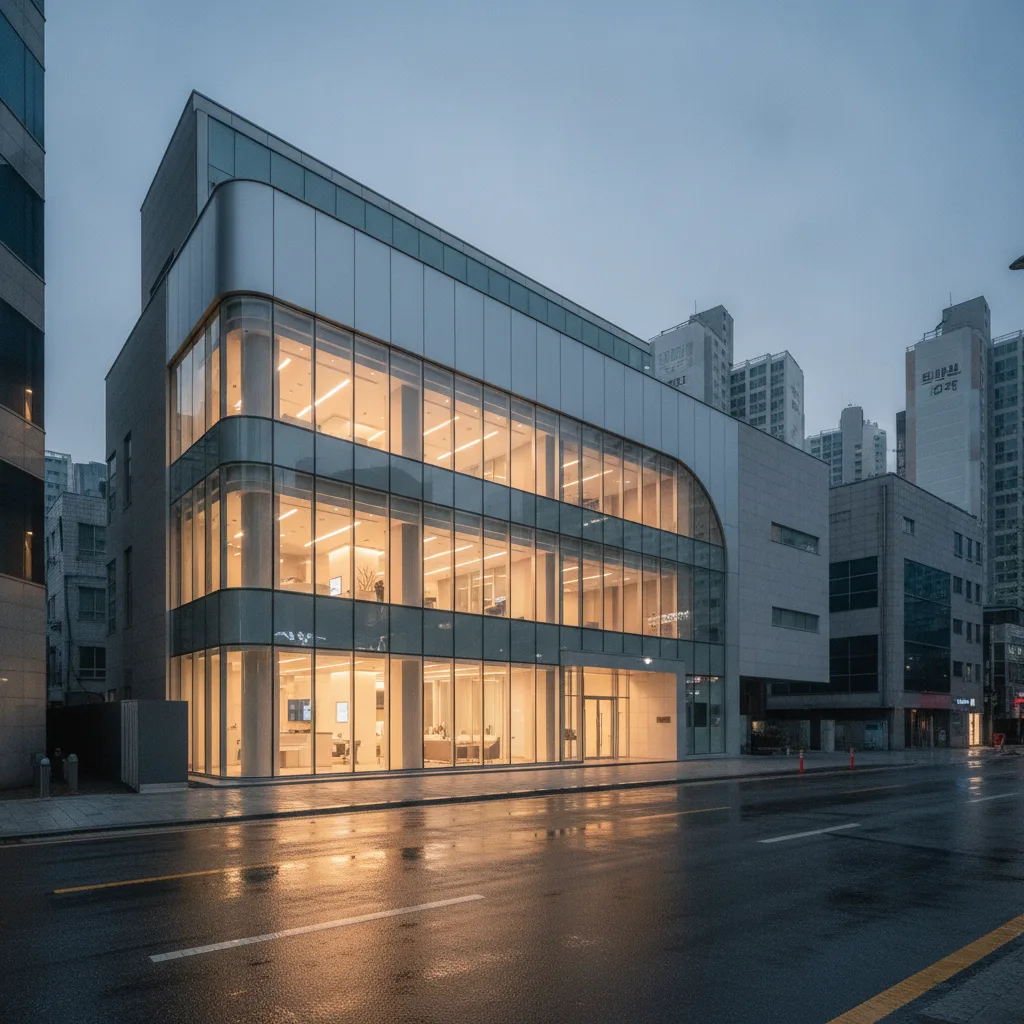
Two-jaw surgery in Seoul is the deepest-discount procedure a foreign patient can fly in for: a bimaxillary osteotomy that costs $45,000 to $70,000 in the US or Australia lands at ₩22,000,000 to ₩38,000,000 ($16,500 to $28,500) at a Gangnam or Apgujeong hospital. The savings come with real surgical weight. This is a two-to-four-hour operation on both the maxilla and mandible under general anesthesia, with an 8-week functional recovery and a 6-month full-settling window. This hub pulls the cost bands, the week-by-week recovery, and the clinic-vetting checklist into one reference for medical tourists booking in 2026.
WHAT TWO-JAW SURGERY ACTUALLY INVOLVES
Two-jaw surgery, called bimaxillary or orthognathic in the medical literature, repositions both the upper jaw (maxilla, via a Le Fort I osteotomy) and the lower jaw (mandible, via a sagittal split osteotomy or SSRO) to correct functional bite problems and facial asymmetry. In Korea the procedure has drifted toward aesthetic use as well, with patients booking it for a shorter midface or a V-line profile even when the bite is functionally normal. The clinical distinction matters for cost and risk. A functionally indicated case typically gets insurance support in a Korean patient and runs leaner on complication rates. A purely aesthetic case is out-of-pocket and demands a surgeon who routinely does both categories, because aesthetic planning requires harder constraints on the osteotomy angles.
The surgery takes two to four hours in the operating room, depending on whether genioplasty (chin reposition) is bundled in. Patients stay 2 to 5 nights in hospital, then transition to an aftercare apartment or recovery stay in Gangnam, Apgujeong, or Sinsa for the following 10 to 20 nights. First solid food returns at week 3 to 4. Numbness in the lower lip and chin is near-universal in the first 3 months and usually resolves fully by month 9. Full bone healing takes 6 months, and final aesthetic settling runs to 12 months. This is a procedure to plan an entire trip around, not a side-stack on a skincare visit.
2026 COST BANDS BY PROCEDURE TYPE
Two-jaw pricing in Seoul splits by osteotomy count and surgeon tier. A primary bimaxillary case at a mid-tier Gangnam clinic lands in a predictable band, but add revision work, genioplasty, or a package that bundles rhinoplasty and the total jumps into a different pricing tier entirely. VAT at 10 percent is almost always included in the quoted number for foreign patients and remains partially refundable at Incheon Airport departure. Deposits typically run ₩2,000,000 to ₩5,000,000 and are non-refundable inside 14 days of the surgical date. The bimaxillary versus SSRO comparison covers when each osteotomy type is medically indicated.
- 01Single-jaw SSRO (mandible only, lower-jaw reposition): ₩14,000,000 to ₩22,000,000
- 02Single-jaw Le Fort I (maxilla only, upper-jaw reposition): ₩16,000,000 to ₩24,000,000
- 03Bimaxillary (both jaws, standard primary case): ₩22,000,000 to ₩32,000,000
- 04Bimaxillary plus genioplasty (chin reposition bundled): ₩26,000,000 to ₩38,000,000
- 05Bimaxillary plus rhinoplasty combined package: ₩28,000,000 to ₩42,000,000
- 06Revision bimaxillary (previous surgery, scar tissue, hardware removal): ₩32,000,000 to ₩55,000,000
Below ₩18,000,000 for a bimaxillary case signals either a junior surgeon, a bundled upsell that will escalate on consultation, or a clinic that uses older fixation plates without the titanium-grade hardware typical of premium Gangnam hospitals. Above ₩45,000,000 for a straightforward primary case usually reflects a single-surgeon boutique with a long waiting list rather than clinical complexity. Shop the middle tier of the market unless there is a specific revision or asymmetry reason to pay top-end.

WEEK-BY-WEEK RECOVERY TIMELINE
Two-jaw recovery is strictly front-loaded. The first 14 days are the hardest, the next 4 weeks are a liquid-and-soft-food marathon, and weeks 6 through 12 are mostly about nerve sensation returning and swelling continuing to drop. The timeline below assumes a standard bimaxillary case without complications. Revision cases typically add 2 to 4 weeks to each phase. A more granular week-by-week two-jaw recovery breakdown covers the day-by-day in the first fortnight.
- 01Days 0 to 3 (hospital stay): IV fluids, no oral intake, intermaxillary fixation or elastic bands in place, significant facial swelling peaking around day 3
- 02Days 4 to 7: Discharge to recovery apartment, cold-compress protocol, liquid diet through a syringe, high-dose antibiotics and corticosteroids
- 03Week 2: Stitches out, most patients can speak intelligibly, swelling drops 40 to 60 percent, light outdoor walking resumes
- 04Weeks 3 to 4: Transition to soft food (congee, soft pasta, mashed potato), first dental follow-up for bite calibration, numb-lip sensation still near-total
- 05Weeks 5 to 6: Return to desk work for most patients, bite feels foreign but functional, swelling continues to decline to 15 percent of peak
- 06Weeks 7 to 8: Clearance for international flights for most patients, chewing firm food becomes comfortable, visible facial contour begins to match surgical plan
- 07Months 3 to 6: Lip and chin sensation returns in stages, final bone healing completes, hardware stays in place permanently in most cases
- 08Months 6 to 12: Final aesthetic settling, scar tissue softens, any residual swelling resolves
Flying before week 7 carries real risk. Cabin pressure at cruise altitude worsens facial swelling, which strains the healing osteotomy lines. Most Seoul surgeons hard-block flight clearance until day 50 to day 56 for bimaxillary cases and will refuse to sign a fit-to-fly letter earlier. Plan the trip for a minimum of 10 weeks on the ground if the goal is a single-visit round-trip, or alternatively book a 3-week initial stay with a return visit at week 8 for the first dental follow-up.
THE CLINIC-VETTING CHECKLIST BEFORE YOU PAY A DEPOSIT
Seoul has over 40 hospitals that advertise two-jaw surgery and fewer than 15 that run the case volume to be genuinely specialist. Use the checklist below in every consultation, not just the first. Ask each item explicitly and time how long the answer takes. A real specialist answers inside 90 seconds with a specific number and shows imaging to prove it. A commission-driven consultation manager pivots to package discounts or deflects to the surgeon.
- 01Case volume: how many bimaxillary cases does the primary surgeon perform per month (good: 8 to 20, red flag: under 3 or over 40)
- 02Board certification: Korean Association of Plastic Surgeons (KAPS) or Korean Association of Oral and Maxillofacial Surgeons (KAOMS) membership with surgeon name verifiable on the society website
- 03Pre-surgical imaging: 3D CT scan and cephalometric analysis must be done in-house, not outsourced to an imaging center
- 04In-house anesthesiologist: full-time board-certified anesthesiologist, not a rotating contractor
- 05Revision policy: fixed quote range for revision within 12 months, in writing before deposit
- 06Hardware grade: titanium plates and screws from Stryker, Synthes, or equivalent (ask for the brand name)
- 07English patient coordinator: dedicated role, not a rotating translator, and reachable by phone during your recovery weeks
- 08Fit-to-fly letter: willingness to provide written flight clearance at week 7 or 8 with surgeon signature
- 09Insurance letter capability: ability to issue a medical-necessity letter for your home-country insurance claim on functional cases
- 10Hospital-stay inclusion: is the 2 to 5 night hospital stay inside the quoted price or billed separately
Clinics that consistently clear this checklist in 2026 include ID Hospital in Gangnam with its 40,000-plus facial-bone case history, Wonjin in Gangnam for volume cases, April31 Aesthetics in Gangnam for combined bimaxillary-plus-rhinoplasty work, Braun Plastic Surgery in Seocho for its in-house anesthesiologist and eight-language support, and Girin Plastic Surgery in Seocho for its one-year post-op guarantee and KAPRS membership. Grand Plastic Surgery in Apgujeong clears the volume criteria at the budget end of the market but trades off slightly on senior-surgeon follow-up time.
HOW MUCH DOES TWO-JAW SURGERY COST IN SEOUL IN 2026?
A primary bimaxillary case at a mid-tier Gangnam or Seocho hospital runs ₩22,000,000 to ₩32,000,000 ($16,500 to $24,000) including VAT and hospital stay. Adding genioplasty pushes the range to ₩26,000,000 to ₩38,000,000. Revision work starts at ₩32,000,000 and climbs to ₩55,000,000 if hardware removal and rebuilding are required. Quotes below ₩18,000,000 for a bimaxillary primary typically indicate a junior-surgeon case or incomplete inclusions.
HOW LONG IS THE RECOVERY FOR TWO-JAW SURGERY?
Functional recovery runs 8 weeks: hospital 2 to 5 nights, soft-food diet through week 4, return to desk work at weeks 5 to 6, flight clearance at week 7 or 8. Numbness in the lower lip and chin resolves over 3 to 9 months. Final bone healing completes at month 6, and aesthetic settling runs to month 12. Plan a minimum 10-week stay in Korea for a single-visit round-trip.
CAN I FLY HOME 2 WEEKS AFTER TWO-JAW SURGERY?
No. Most Seoul surgeons hard-block flight clearance until day 50 to 56 because cabin pressure worsens facial swelling, which strains healing osteotomy lines. Flying at week 2 risks hardware displacement, prolonged swelling, and complicates post-op dental calibration. If a 10-week stay is not feasible, split the trip: 3 weeks initial surgical stay, return for a week-8 follow-up. The flying-home-after-surgery timeline covers the hard cutoffs by procedure.
IS TWO-JAW SURGERY COVERED BY INSURANCE FOR FOREIGN PATIENTS?
Korean national insurance does not apply to foreign medical tourists. Home-country insurance sometimes partially reimburses functionally indicated cases (severe malocclusion, sleep apnea indication, documented TMJ dysfunction) when the Seoul surgeon issues a medical-necessity letter with ICD-10 codes and pre-op imaging. Aesthetically indicated cases are out-of-pocket. Request the medical-necessity letter in writing before surgery, not after, because reconstructing the documentation post-op is slow. The insurance letters guide covers the exact language to request.
WHAT IS THE DIFFERENCE BETWEEN BIMAXILLARY AND SSRO?
Bimaxillary surgery operates on both jaws (maxilla via Le Fort I plus mandible via SSRO) and corrects a wider range of malocclusion and asymmetry. SSRO alone is a lower-jaw-only procedure, cheaper and with a shorter recovery, but limited to patients whose upper jaw is already correctly positioned. Most medical-tourist cases in Seoul in 2026 are bimaxillary because the aesthetic indication involves midface balance, which requires both jaws.
Treatment guides · 10 min · Nov 8, 2026
← all posts
MUSE CLINIC GANGNAM REVIEW 2026: PRICES, SIGNATURE PROCEDURES, VERDICT
A reviewer-voice synthesis of Muse Clinic Gangnam in Sinnonhyeon: real KRW prices, English service, the Botulax question, and who it actually suits.
YAAN CLINIC GANGNAM REVIEW 2026: PRICES, VIP ROOMS, ENGLISH
A reviewer-voice look at Yaan Clinic in Bongeunsa Gangnam: real KRW prices, 1:1 VIP room format, English coordinator reality, and who it actually suits.
OCEAN CLINIC GANGNAM REVIEW 2026: PRICES, ENGLISH SERVICE, VERDICT
A reviewer-voice walk-through of Ocean Clinic Gangnam: who it fits, what it costs in KRW, how English service actually works, and whether to book it.
XENIA CLINIC SEOUL REVIEWS: PRICES, SERVICE, ENGLISH (2026)
A reviewer-voice look at Xenia Clinic in Sinnonhyeon: what 109 patients actually say, English and Japanese support, and realistic 2026 price bands.
OCEAN CLINIC GANGNAM ULTHERAPY & SHURINK GUIDE 2026: WHAT ₩79,000 BUYS
Procedure-forward breakdown of Ocean Clinic Gangnam's HIFU lifting menu with real KRW shot counts, protocol notes, and when the entry tiers actually make sense.
▶▶▶ stop reading. start matching.
FIND YOURS.
We'll pull five clinics matched to your case. WhatsApp reply within 24h.