Exosome and PDRN therapy in Seoul.
Also known as exosome facial · exosome skin booster · ASCE+ exosomes · PDRN injection · salmon injection · 엑소좀 in Korean
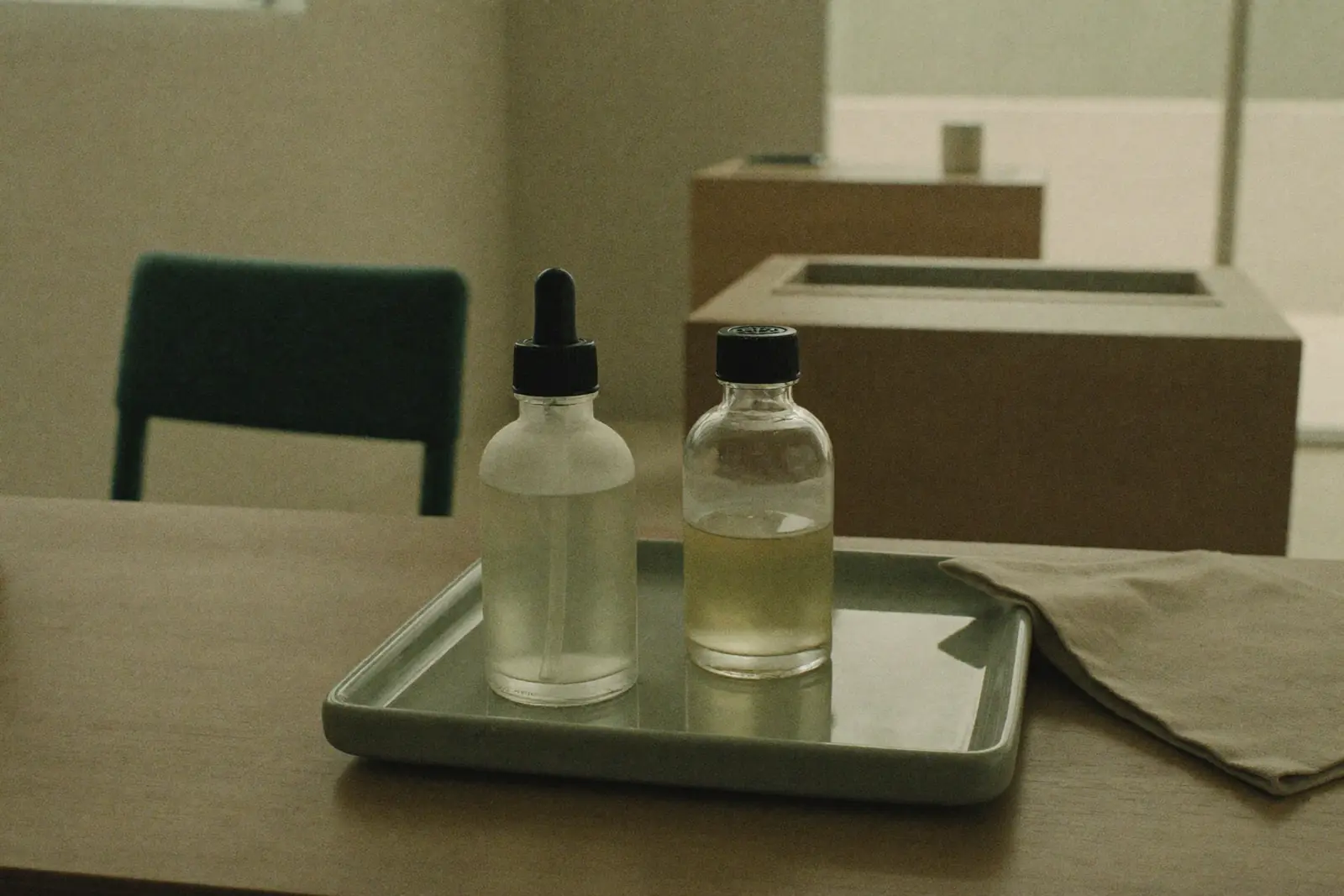
How much does Exosome and PDRN therapy cost in Seoul? From about $127 (₩170,000), across 9 English-friendly clinics with a published price. Starting prices, confirmed at consultation.
- 4.9 average Google rating across 6,000+ reviews
- 250+ travelers matched with clinics
- 9 clinics publish prices; 7 prices compared
- 1 verified partner clinic
- Starting price
- $127
- ₩170,000
- Clinics pricing it
- 9
- Prices checked October 7, 2026
The short answer
- 01Exosome therapy puts tiny cell made vesicles on the skin, usually straight after microneedling or a laser, to calm it and help it recover; PDRN is a salmon DNA injection with a similar repair aim.
- 02It suits red, reactive or recovering skin, dullness and acne scars, as an add on to a device treatment. It is not a filler or a lift, and it is the least proven option on the Seoul booster menu.
- 03Most clinics sell exosomes inside a microneedling or laser session, so your downtime is that treatment's, usually a few days of redness at most.
- 04The catch: no exosome product is FDA approved, products vary widely, and Korea's dermatologists warn against injecting exosome products sold as cosmetics.
At a glance
- Treatment time
- About an hour with the device
- Comfort
- Numbing cream; you feel the device
- Downtime
- Redness from the device, a few days
- Sessions
- Often 3, three to four weeks apart
- Results
- Calmer skin in days, more over months
- Time in Seoul
- 1 to 2 days per session
From our Seoul listings
Prices for Exosome and PDRN therapy in Seoul.
Worked out from the list prices 9 Seoul clinics publish. First visit offers, events and bundles are left out, and sizes listed by fewer than three clinics are hidden so one price cannot skew the picture.
Usually in a Seoul quote
- The exosome or PDRN product and the amount on your quote
- The microneedling or laser session, when the menu sells them together
- Numbing cream, which most menus include
Ask whether these are extra
- 10% VAT, often quoted separately (부가세 별도)
- The microneedling or laser itself, when exosomes are listed as an add on
- A take home exosome cream or mask
- Scalp exosome treatments, priced separately
- The later sessions of a course, unless you buy a package
Dollar amounts are approximate, at ₩1,338 = $1 (GOV.UK consular rate for November 2026).
9 clinics that do Exosome and PDRN therapy.


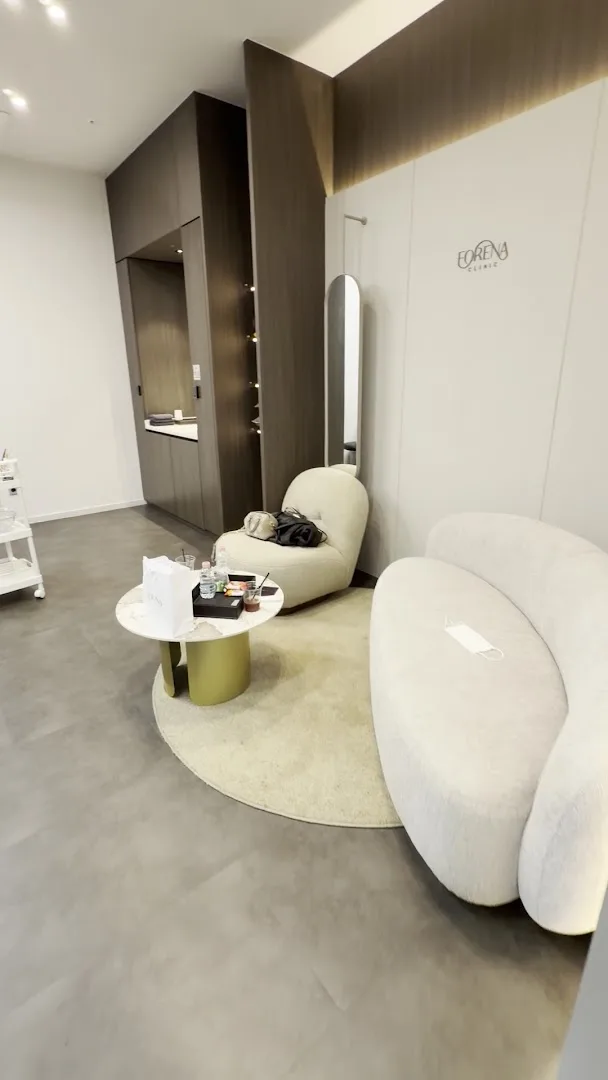


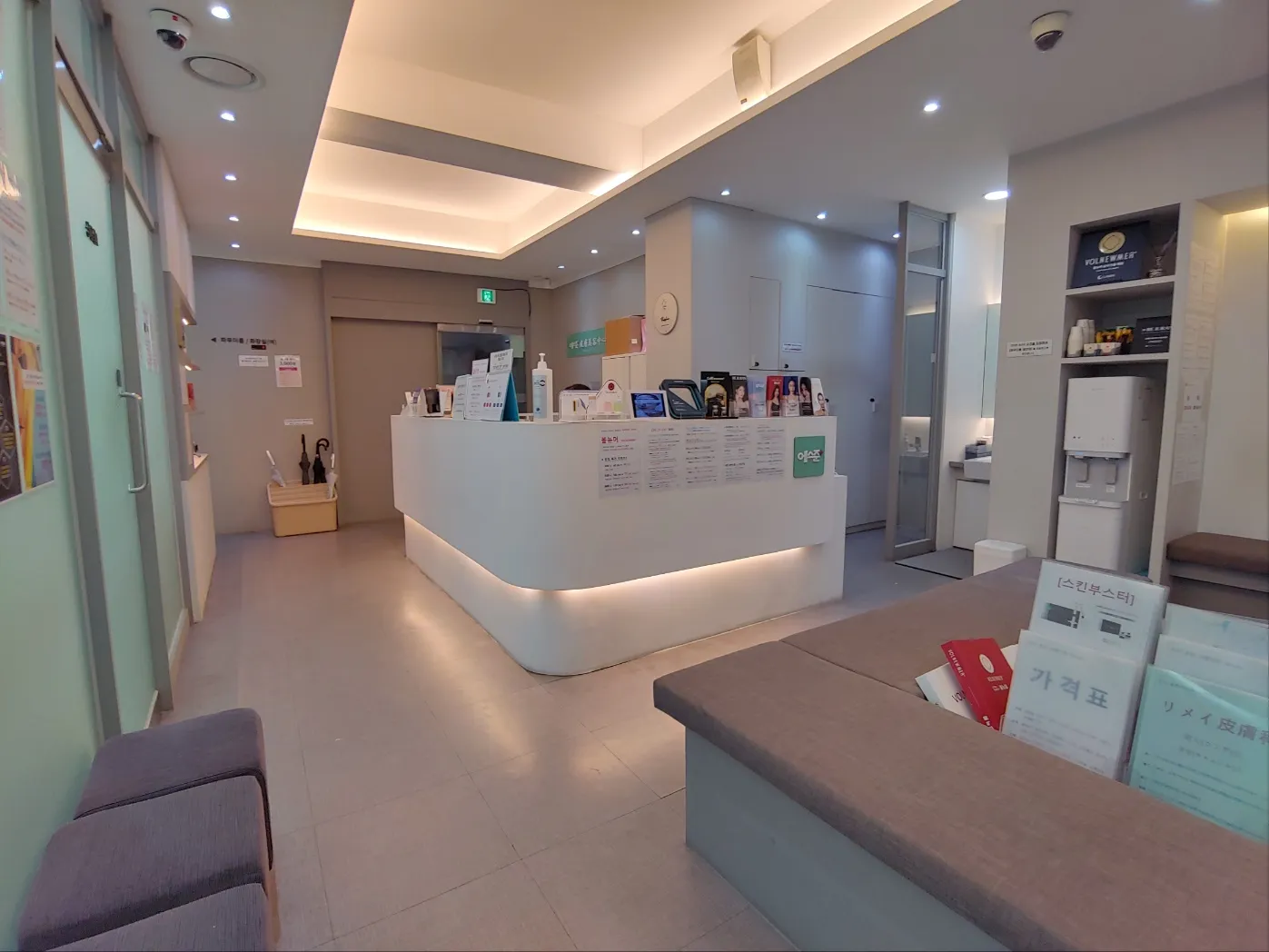



Showing 1–9 of 9 clinics
Exosome and PDRN therapy by area
Free for you
Send your Exosome and PDRN therapy request to 4 clinics.
Tell us your goals, budget and dates in 60 seconds. We match you with four Seoul clinics that fit, and their English speaking coordinators reply with a quote, usually within a day.
The guide
Exosome and PDRN therapy, in depth.
12 short chapters, written from medical sources and our own Seoul price data. Each source is listed at the end of the page.
What exosomes and PDRN are
Exosomes are tiny bubbles that cells release to send signals to other cells, carrying proteins and genetic material. A 2024 review in Frontiers in Medicine puts them at 30 to 150 nanometers, far smaller than a cell. Skin products are made from cells grown in a lab, most often stem cells from fat, umbilical cord or placenta tissue, and the idea is to deliver repair signals that calm inflammation and help skin heal.
PDRN, short for polydeoxyribonucleotide, is a different thing with a similar aim. It is made of short DNA fragments: a 2024 overview in Archives of Plastic Surgery describes chains of 50 to 2,000 base pairs taken from salmon or trout. Rejuran's polynucleotides (PN) are its longer chain relatives. PDRN is injected into the skin, like other boosters.
Seoul clinics sell the two side by side as "regenerative" or "healing" treatments, which is why this page covers both. They are add ons more than headline treatments: most people get them with a laser, microneedling or another booster.
Is it right for you?
Exosomes make most sense as a helper. If you are already having microneedling or a laser for scars, pores or pigment, adding an exosome may help your skin calm down and recover. On their own, for general anti aging, the case is weaker, and a booster with more evidence, such as Rejuran or a hyaluronic acid booster, is usually the better first choice.
PDRN suits thin or sensitive skin that wants gentle repair. If you are unsure what your skin needs, our free face scan is a good first look, and a doctor's exam decides it.
A good fit if
- Skin that is red, reactive or slow to calm after lasers or microneedling
- Dull, tired skin where you want a recovery boost with a device treatment
- Acne scars or texture you are already treating with microneedling or a laser
- You are comfortable with a newer treatment whose evidence is still early
- For PDRN: thin or sensitive skin, as a lighter step than a full Rejuran course
Think twice if
- You want a proven, standalone result: Rejuran or a hyaluronic acid booster has more evidence
- A fish or shellfish allergy, for PDRN made from salmon DNA
- Pregnancy or breastfeeding, an active skin infection or an immune condition, unless your doctor agrees
- Exosomes offered by needle, without proof the product is approved for injection
- Volume loss or sagging, which fillers or lifting devices treat
What the evidence says
Honestly, not much yet. The FDA states that there are no FDA approved exosome products; its 2019 notice followed reports of serious adverse events in patients given unapproved exosome products in Nebraska. That warning concerned products used to treat disease, not skin care, but it shows how loosely the field is controlled. The 2024 Frontiers review counts fewer than 20 clinical trials focused on skin, and notes there is no consensus on purity, source, dose or safety in humans. Its author, who part owns an exosome skin care company, still urges realism.
The trials that exist are small but encouraging. In a Korean study of 28 people published in 2023, each had three microneedling sessions three weeks apart, with an exosome solution on one side of the face and saline on the other; the exosome side scored better for overall improvement, with no serious side effects. In a split face study of acne scars after CO2 laser, summarized in the Frontiers review, scars improved by 32.5% on the exosome side against 19.5% on the other. A 2025 trial in 15 people, funded in part by an exosome maker, found exosomes about as good as PRP after RF microneedling at six months.
Exosomes, PDRN or Rejuran?
All three are sold as repair treatments, and Seoul menus often put them next to each other. Exosomes are signals applied to open skin, PDRN and Rejuran are salmon DNA injected into it. Rejuran has the most established routine in Korea, PDRN is a lighter version of the same idea, and exosomes are the newest and least standardized.
Here is how they compare on price in our own Seoul listings, priced the same way from the same data. Where fewer than three clinics list the same size, we say so rather than guess.
Several makers (ASCE+, Benev, others)
Exosomes
Too few listings at this size to show a fair price yet.
Active ingredient
Vesicles from lab grown stem cells
Applied to the skin after microneedling or a laser on most Seoul menus. No exosome product is FDA approved, and the studies are small.
Several makers
PDRN
Too few listings at this size to show a fair price yet.
Active ingredient
Short chain salmon DNA
Rejuran's shorter chain cousin, injected into the skin for repair and calm. Menus often call it a "salmon injection".
PharmaResearch (Korea)
Rejuran Healer
Healer 2cc, typical
$187
₩250,000 · from $148 at 22 clinics
Active ingredient
Polynucleotides (PN) from salmon DNA
The best established of the three in Korea, with a standard course of three to four sessions.
Exosome and PDRN products differ in source, strength and amount, so a cc of one is not a cc of another. Prices come from the same listings with the same method; a product drops out when fewer than three clinics list that size.
Sessions, results and recovery
The studies above used courses of three sessions, three weeks apart in the Korean trial and four weeks apart in the 2025 trial, and Seoul clinics usually suggest something similar. Because the exosome rides along with a device, the device often sets the interval.
Calmer skin is the first thing people notice, in the days after the device session. Changes in texture and fine lines take longer, and were measured at three and six months in the 2025 trial. Recovery is the device's: in that trial, expected redness, swelling and light crusting resolved in under a week.
Day 0
The device first
Numbing cream, then microneedling, RF microneedling or a laser. The exosome solution goes on straight after, while the skin is open.
Days 1 to 3
Redness settles
Redness and mild swelling come from the device, not the exosome. Clinics often send a soothing cream or mask home with you.
Under a week
Healed
In a 2025 trial after RF microneedling, the expected redness, swelling and light crusting resolved in under a week.
Weeks 3 to 4
Next session
Studies used three sessions three to four weeks apart, and Seoul clinics often suggest a similar course.
Months 3 to 6
Results
In that 2025 trial, improvement was measured at three and six months after the course.
Beyond
Unknown
There is no long term data yet. Your doctor suggests whether and when to repeat.
Does it hurt?
Applying an exosome does not hurt; what you feel is the microneedling or laser before it, which Seoul clinics do after numbing cream. Unlike PRP, no blood draw is needed, which the 2025 trial listed as a practical advantage. PDRN, being an injection, stings like other boosters.
Risks and regulation
Applied to the skin after microneedling, exosomes caused no serious side effects in the small trials above, only the redness, swelling and crusting the device itself causes. The bigger unknowns are the products: they differ in source, purity and strength, and the Frontiers review notes there is no agreed standard for any of them.
Injection is where the warnings are. Korea's dermatologists' association reported in 2026 that cosmetic licensed exosome products are still being injected, and listed granulomas, pigment changes and unusual infections among the risks. For PDRN, the American Academy of Ophthalmology's EyeWiki advises against PN and PDRN injections for people with a fish or shellfish allergy, and practitioners advise avoiding them in pregnancy and breastfeeding.
- Common: redness, swelling and light crusting from the device, gone in under a week in one trial
- Unknown: long term effects, and how much one product differs from another
- Avoid: injected exosomes without an approved product; PDRN with a fish or shellfish allergy
- Report quickly: a lump that grows, spreading redness or heat, or a rash days after treatment
Pairing it with lasers, microneedling and boosters
Combining is the point. Exosomes are most often added to microneedling, RF microneedling such as Potenza, or a laser, to help the skin calm down afterward. Some clinics also pair them with Rejuran or other boosters on the same trip.
Ask your doctor about the order and spacing, and compare a package against the single prices. A device session with an exosome add on can be good value, or simply a more expensive version of the treatment you came for.
Planning your days in Seoul
An exosome session fits easily into a trip. Nothing is cut, and recovery follows the device, so there is no medical reason in the sources we cite to stay more than a day or two. With a stronger laser or RF microneedling, leave a little slack for redness before photos or meetings.
Ask what the exosome comes with (microneedling, a laser or nothing), the product name and whether it is applied or injected, so the quotes compare.
Consultation, numbing, the device and the exosome, usually in one visit. Expect red skin that evening, more after a stronger device.
Redness fades over a day or a few. Sightseeing is fine with good sunscreen; most people fly home when they are ready.
Three sessions weeks apart means another trip, or continuing the device treatment at a clinic at home.
How to read a Seoul price board
Exosome menus are often in Korean and bundle several things into one line. Look for the product, whether it is applied or injected, which device comes with it, one session or a package, and whether VAT is included.
Red flags and what to ask
Exosomes are new, fashionable and loosely regulated, which makes them easy to oversell. These signs and questions help you tell a careful clinic from a sales pitch.
Exosomes injected with a needle
Ask whether the product is approved in Korea for injection. The health ministry asked doctors in 2022 not to inject products registered as cosmetics, and dermatologists repeated the warning in 2026.
Big promises
Exosomes are a recovery aid with early evidence. Be wary of claims that they reverse aging, replace a filler or "work like stem cells".
No product name
Ask for the brand, what cells it comes from and the amount. An unnamed exosome compares with nothing.
The device left out of the price
Ask whether the microneedling or laser is in the quote or charged on top.
A first visit or event price as the headline
Ask for the regular price too, and whether the offer covers one session or a course.
VAT never mentioned
Ask whether 10% VAT is included (부가세 포함) or added at the desk (부가세 별도).
Questions to ask before you pay
- 1.Which exosome or PDRN product is it, and can I see the package?
- 2.Will it be applied after a device or injected, and is it approved for that use?
- 3.Which device do you pair it with, and is that in the price?
- 4.How many sessions do you suggest, and how far apart?
- 5.Is 10% VAT included in this price?
- 6.Who do I contact if my skin reacts after I fly home?
Exosome and PDRN therapy, answered.
How much does Exosome and PDRN therapy cost in Seoul?
Exosome and PDRN therapy in Seoul starts from about $127 (₩170,000) across the 9 clinics we track with a published price. These are list prices without first visit or event offers. Many clinics add 10% VAT, and your clinic confirms the final quote at consultation.
What are exosomes in skin care?
Tiny vesicles that cells release to signal to other cells. Skin products are made from lab grown cells, usually stem cells, and are meant to calm inflammation and support healing, most often after microneedling or a laser.
Are exosomes injected or applied?
In Seoul they are usually applied to the skin straight after microneedling or a laser. Many exosome products in Korea are registered as cosmetics, and the health ministry has asked doctors not to inject cosmetics, so ask how your product will be used.
Are exosome treatments FDA approved?
No. The FDA states that there are no FDA approved exosome products. Exosome skin care is used in many countries, but no product has gone through FDA approval.
Are exosome injections allowed in Korea?
Injecting products registered only as cosmetics is not. Korea's health ministry asked doctors in 2022 not to inject cosmetics with a syringe, and the Korean Dermatological Association repeated the warning in 2026. Products approved for injection are a different matter; ask which yours is.
What is ASCE+?
A Korean exosome brand you will see on Seoul menus, usually applied after microneedling or a laser. Ask your clinic which version they use and how it is applied.
What is PDRN?
Polydeoxyribonucleotide: short DNA fragments from salmon or trout, injected into the skin for repair. Rejuran's polynucleotides are the longer chain version. Menus often call either a "salmon injection".
Should I choose exosomes, PDRN or Rejuran?
Rejuran has the most established routine in Korea, PDRN is a lighter version of the same idea, and exosomes are a newer recovery add on. If you are not already having a device treatment, a booster such as Rejuran is usually the better first step.
Are exosomes better than PRP?
Not proven. A 2025 trial in 15 people, funded in part by an exosome maker, found exosomes about as good as PRP after RF microneedling at six months. Exosomes avoid a blood draw, which some people prefer.
How many exosome sessions do I need?
Studies used three sessions three to four weeks apart, and Seoul clinics usually suggest a similar course. The device you pair it with often sets the interval.
What is the downtime after exosome therapy?
It follows the device. In a 2025 trial after RF microneedling, redness, swelling and light crusting resolved in under a week. After gentler microneedling it is often shorter.
Does exosome therapy hurt?
The exosome itself does not; you feel the microneedling or laser, which clinics do after numbing cream. PDRN injections sting like other boosters.
When will I see results from exosomes?
Calmer skin often shows in the days after the session. Texture and fine lines change more slowly, and studies measured results at three and six months after a course.
Is exosome therapy safe?
Applied after microneedling, small trials found no serious side effects. The unknowns are product quality and long term effects, and injecting products sold as cosmetics carries real risks, including granulomas and infections.
Can exosomes help hair loss?
Seoul clinics also sell scalp exosome treatments for thinning hair. That is a separate treatment with its own early evidence and its own price; a dermatologist can tell you whether it suits your type of hair loss.
Can I fly after exosome therapy?
Usually yes, once you are comfortable. Nothing is cut, and redness from the device fades over a day or a few. Use good sunscreen and ask your clinic about your specific device.
Why are exosome prices in Seoul hard to compare?
Most clinics price exosomes inside a device session, with different products and amounts, and some add VAT. Ask for the product, the amount, the device and the total, and compare clinics on the same combination.
How do I book exosome therapy in Seoul with an English speaking clinic?
Take the free 60 second quiz, or enquire with any clinic on this page. We match you with four clinics, and their English speaking coordinators contact you directly, usually within 24 hours, with consult slots and a quote. It is free for you.
Often compared with
Other treatments to weigh up
Sources and review
How we wrote this page
Reviewed by the SeoulClinics editorial team
Last reviewed November 9, 2026
Medical facts come from the sources below, named where we use them; where the evidence has no number, we say so without one. Prices come from our own listings of Seoul clinics and update as clinics change them.
Check our work
Ask an AI assistant to fact check this page against its sources. Each link opens the assistant with this page in the question.
Medical and price sources
- 1.Public safety notification on exosome products · US Food and Drug Administration, 2019
- 2.Regenerative topical skincare: stem cells and exosomes (Taub) · Frontiers in Medicine, 2024
- 3.Efficacy of combined treatment with human adipose tissue stem cell derived exosome containing solution and microneedling for facial skin aging: a 12 week randomized split face study (Park et al.) · Journal of Cosmetic Dermatology, 2023
- 4.Adipose stem cell derived exosomes versus platelet rich plasma for photoaged facial skin: an investigator blinded split face trial (Estupiñan et al.) · Journal of Cosmetic Dermatology, 2025
- 5.Injectable "skin boosters" in aging skin rejuvenation: a current overview (Rho et al.) · Archives of Plastic Surgery, 2024
- 6.Periorbital polynucleotide injections · American Academy of Ophthalmology, EyeWiki, 2026
- 7.Skin boosters come under quality control: health ministry asks doctors not to inject cosmetics (in Korean) · Medical Times, 2022
- 8.Skin booster market hit by price dumping, and cosmetic injections are back (Korean Dermatological Association warning, in Korean) · Medical Times, 2026
This page is general information, not medical advice. Results, risks and suitability differ from person to person, and the doctor who examines you is the right person to decide. Prices are what clinics list publicly and can change; your clinic confirms the final quote.
FIND YOUR EXOSOME AND PDRN THERAPY CLINIC.
Free 60 second quiz: we match you with four clinics that fit your case, budget and dates.
Take the quiz →