BREAST LIFT (MASTOPEXY) IN SEOUL 2026: COST, TECHNIQUES, RECOVERY
Everything a first-time medical tourist needs to know about mastopexy in Seoul: incision types, KRW pricing, recovery windows, and how it differs from augmentation.
By Editorial
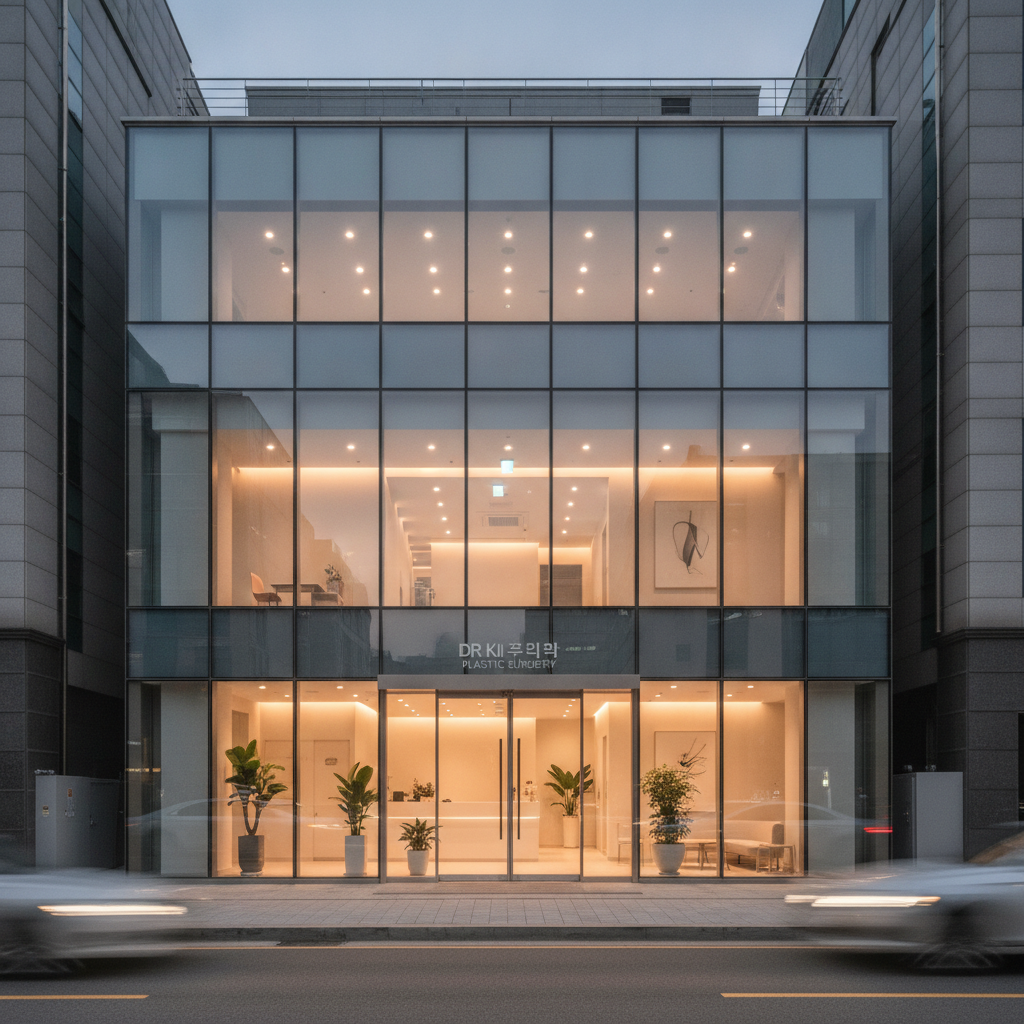
A breast lift, or mastopexy, is one of the most common procedures Western and Southeast-Asian patients quietly add to a Seoul trip after weight loss, pregnancy, or a decade of gravity. It costs less than in the US or Australia, uses the same incision playbooks, and pairs cleanly with implants or fat transfer if a bit of upper-pole volume is also on the list.
WHAT A MASTOPEXY ACTUALLY DOES
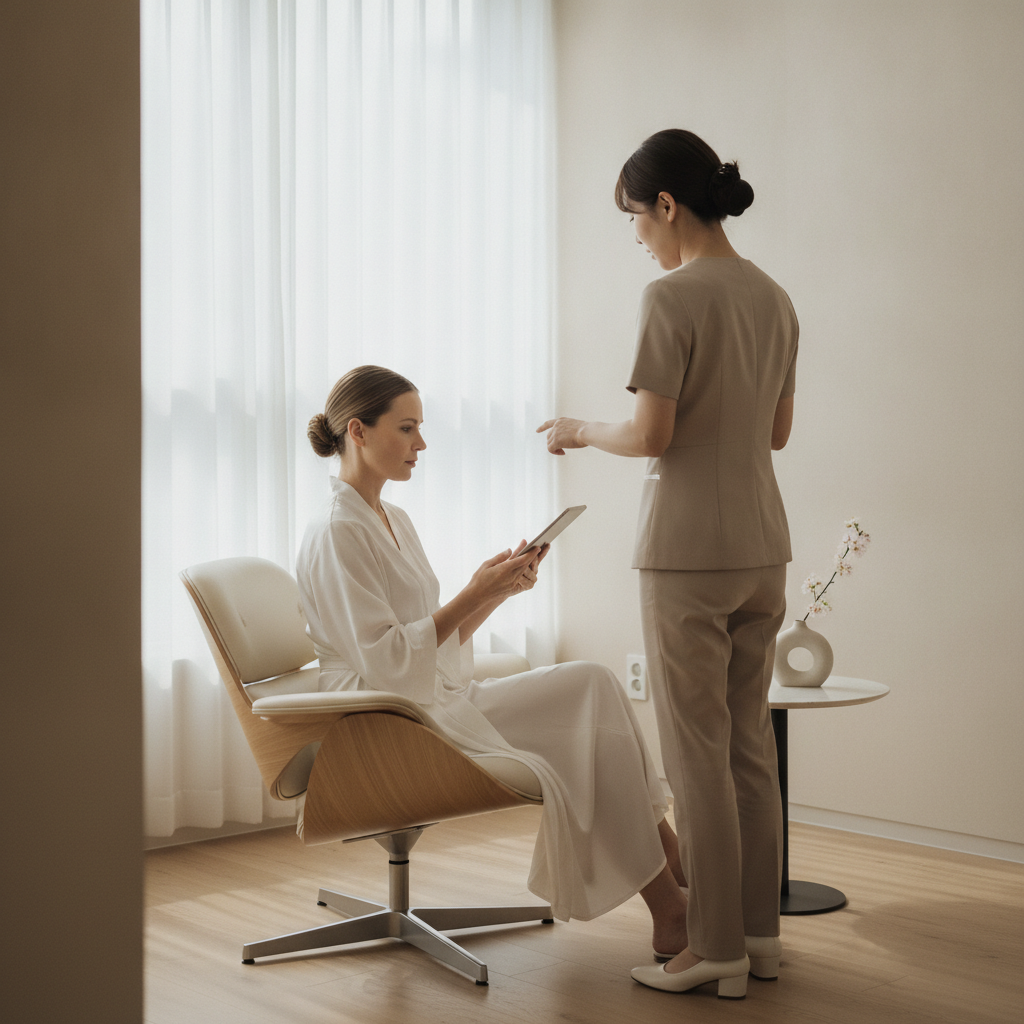
Mastopexy repositions the breast tissue and nipple higher on the chest wall and removes excess skin. It does not add volume. That distinction matters because most first-timers walk into a consultation asking for a lift and leave discussing a combined procedure once the surgeon explains that a pure lift can look flatter on top than expected. Seoul surgeons are direct about this. Expect one of them to sketch the difference between a lift, an augmentation, and an auglift on paper during the first visit.
The degree of ptosis, meaning how far the nipple sits below the inframammary fold, drives which incision pattern the surgeon proposes. Grade 1 ptosis often responds to a periareolar or crescent lift. Grade 2 typically needs a vertical or lollipop incision. Grade 3, plus most post-pregnancy cases with significant skin laxity, ends up as an anchor or inverted-T pattern. Reputable Apgujeong and Gangnam surgeons will not talk you into a smaller incision than your anatomy warrants, because the aesthetic result nine months out is what gets photographed for their portfolio.
SEOUL PRICING: WHAT YOU WILL ACTUALLY PAY
Standalone mastopexy in Seoul in 2026 runs roughly ₩5,500,000 to ₩11,000,000, or about $4,000 to $8,000 USD, depending on incision complexity, surgeon reputation, and district. Sinnonhyeon and Sinsa mid-tier clinics anchor the lower band. Apgujeong and Cheongdam premium clinics sit at the top. The math shifts if you combine with implants: an auglift, meaning a lift plus augmentation performed in one operation, typically lands between ₩9,000,000 and ₩16,000,000, so about $6,500 to $11,500 USD. That is the more common package for medical tourists because it collapses one recovery window instead of two.
VAT treatment varies by clinic. Some quote a foreigner-inclusive price. Others add 10% at the invoice stage, which is a common surprise for first-timers. Read our breakdown of hidden costs before you commit a deposit, and confirm in writing whether the quoted number includes VAT, anesthesia, compression garment, and follow-ups. On a $6,000 procedure the delta between an inclusive and exclusive quote is not trivial.
CHOOSING BETWEEN INCISION PATTERNS
The periareolar or donut lift keeps the scar hidden at the areolar border and suits patients with mild ptosis, small breasts, and good skin elasticity. Vertical or lollipop lifts add a scar running from the areola down to the fold and give the surgeon more control over shape and projection. The anchor pattern adds a horizontal scar along the inframammary fold and remains the workhorse for heavy or heavily stretched breasts. Korean surgeons tend to prefer the vertical technique where feasible because it results in a rounder, projected shape that photographs well and matches Korean aesthetic preferences, but they will step up to an anchor when the tissue demands it.
Ask specifically about pedicle technique during your consultation. Superior, superomedial, and inferior pedicles each preserve blood supply and nipple sensation differently. A surgeon who cannot explain their pedicle preference in plain language is not the surgeon for you. Most Apgujeong specialists will show you three or four before-and-after cases matched to your ptosis grade so you can see how the incision heals in real skin, not stock photos.
- 01Periareolar: mild ptosis, minimal scar, limited reshaping power
- 02Vertical (lollipop): moderate ptosis, better projection, most common Korean choice
- 03Anchor (inverted-T): severe ptosis or post-weight-loss, best control, longest scar
- 04Auglift: any grade of ptosis combined with volume loss, one recovery instead of two
RECOVERY: WHAT YOUR SEOUL TRIP SHOULD LOOK LIKE
Plan for a minimum of ten to fourteen days on the ground. Surgery day, then two nights of monitoring for drains and swelling. Sutures come out around day seven to ten depending on incision length. You will wear a surgical compression bra continuously for four to six weeks. Most reputable clinics will not clear you to fly until day ten, and many prefer day fourteen for combined auglift cases. This is longer than the recovery for a straight augmentation, which most patients complete in seven to ten days on the ground.
Sleeping propped up at a thirty-degree angle for the first two weeks is non-negotiable. No arm-overhead motion, no lifting more than two kilograms, no gym for six weeks. Nipple sensation dips for most patients and returns gradually over three to six months, though a small percentage report permanent changes. Scars are pink for three months, mature to white or silver over twelve to eighteen months, and respond well to silicone sheeting started at the four-week mark. Book a hotel or serviced apartment in Apgujeong or Cheongdam within a ten-minute cab of your clinic. You will not want a long ride on recovery days.
RISKS AND WHAT TO SCREEN FOR
Every mastopexy carries risk of scar widening, asymmetry, delayed wound healing at the T-junction of an anchor incision, hematoma, and altered nipple sensation. Nipple necrosis is rare but real, especially in smokers and patients with a very long pedicle. A quality Seoul surgeon will refuse to operate on active smokers and will require nicotine cessation for a minimum of four weeks pre-op. Screening blood work, chest X-ray, and EKG are standard at any board-certified clinic. If a clinic skips these, walk out. Review our breast surgery risks piece for the broader complication list that also applies to mastopexy patients.
Treatment guides · 7 min · Sep 14, 2026
← all posts
REJURAN VARIANTS EXPLAINED: HEALER, I, S, HB, EYE IN SEOUL
Every Rejuran type does something different. Here is what each variant treats, what it costs in Seoul, and which one your first booking should be.
SKIN BOOSTERS IN SEOUL 2026: JUVELOOK, PROFHILO, SCULPTRA GUIDE
A first-timer's cost, brand and clinic guide to skin boosters and collagen biostimulators in Seoul for 2026.
REVISION RHINOPLASTY IN SEOUL 2026: FIXING A FAILED NOSE JOB
A practical Seoul revision rhinoplasty guide covering cost, timing, cartilage sourcing, top districts, and which surgeons actually take secondary cases.
LATERAL CANTHOPLASTY IN SEOUL: THE CAT EYE SURGERY GUIDE (2026)
How Korean surgeons lift the outer eye corner for a subtle cat-eye look, what it costs, and who it fits.
ZYGOMA REDUCTION IN SEOUL 2026: CHEEKBONE SURGERY GUIDE
What zygoma reduction actually involves in Korea, who it suits, and what it costs at real Seoul clinics in 2026.
▶▶▶ stop reading. start matching.
FIND YOURS.
We'll pull five clinics matched to your case. WhatsApp reply within 24h.