THREAD LIFTING IN SEOUL: 2026 PDO, PCL & MINT GUIDE
What thread types Seoul clinics use, who they suit, what they cost, and how long the lift actually holds.
By Editorial
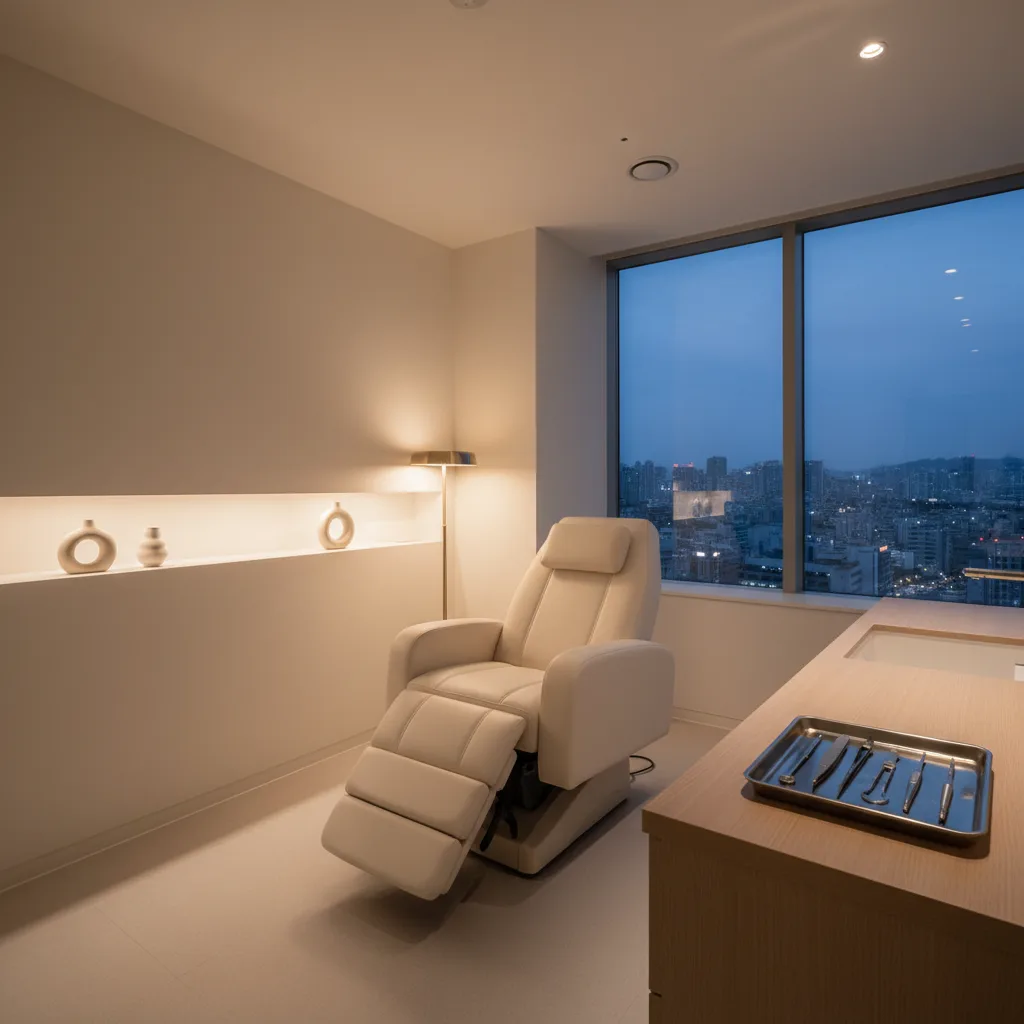
Thread lifting is the bridge between injectables and a surgical facelift, and Seoul clinics quietly run more thread cases per week than any city on earth. The technology has matured fast since the early PDO years, and 2026 menus differ sharply from the menu you would have seen three years ago. This guide breaks down what is on offer in Gangnam and Apgujeong, what each thread does, and what you should expect to pay.
WHAT THREAD LIFTING DOES AND WHERE IT SITS ON THE LIFTING LADDER
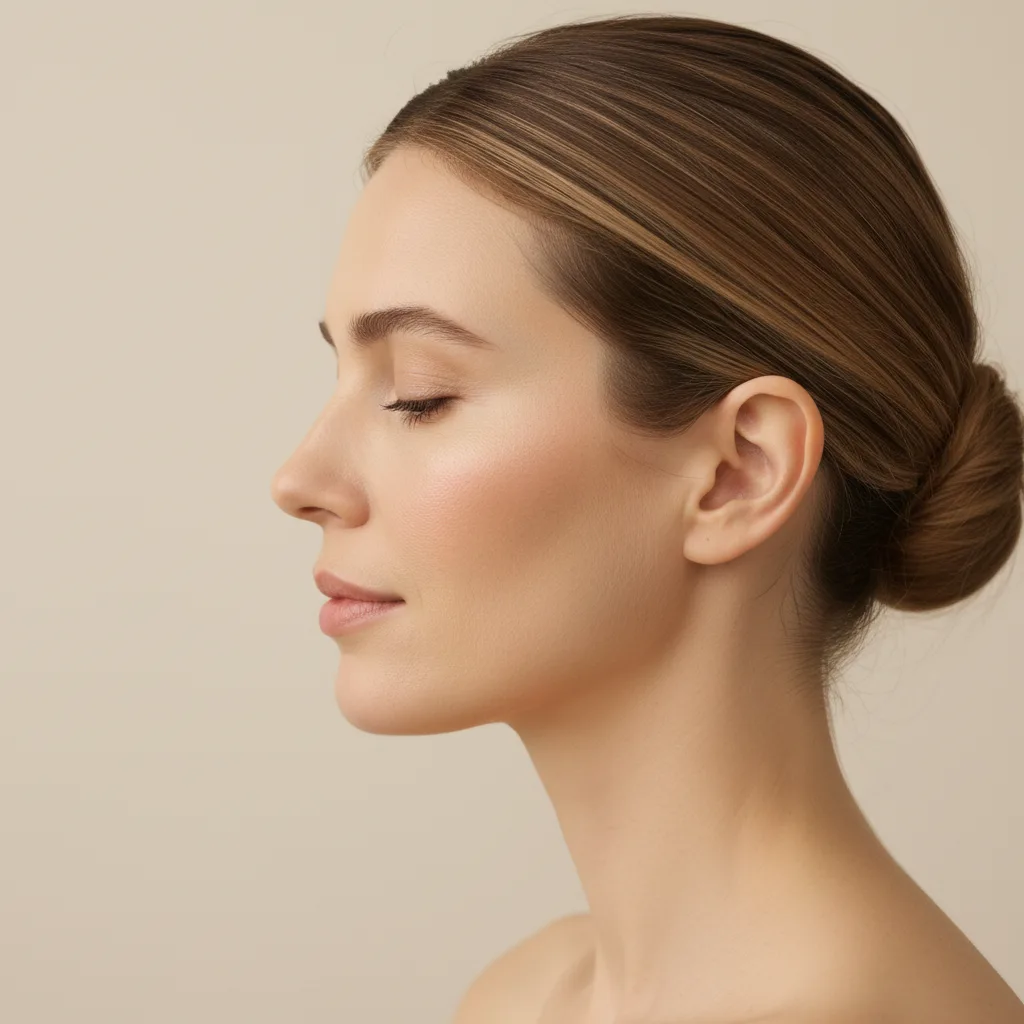
A thread lift uses absorbable suture material with tiny barbs or cones to grab soft tissue, anchor it, and reposition the face upward. The lift is mechanical first and biological second, because the threads dissolve over six to twenty-four months and trigger new collagen and elastin along their path. That second phase is the reason Korean dermatologists describe modern threads as a collagen scaffold rather than a stitch-and-pull procedure. Done well, a mid-face thread lift takes around thirty to forty-five minutes, and the patient walks out the same day with a snug, slightly tight feeling that settles within a week.
Threads occupy a specific spot on the aesthetic ladder. They sit above Ultherapy and Shurink in lifting power, since they physically reposition tissue rather than tightening from within, and they sit below a SMAS facelift because the lift is shallower and shorter. For mild jowl drooping that energy devices cannot move, threads are the cleanest answer. For nasolabial folds, marionette lines, and a tired mid-face in your late thirties to fifties, they are the most direct tool available without surgery. Seoul clinics often pair threads with Shurink HIFU on the same visit, because the two technologies treat different tissue layers.
PDO VS PCL VS PLLA: THE POLYMER DECIDES THE RESULT
The thread material is the most important variable, and the one most travel agents and clinic counsellors gloss over. Three polymers dominate Korean menus. Polydioxanone (PDO) is the cheapest, dissolves in around six to eight months, and works best for fine repositioning and neck refinement. Polycaprolactone (PCL) lasts twelve to eighteen months and stimulates more collagen than PDO, which is why most premium Apgujeong clinics default to it for the mid-face. Poly-L-lactic acid (PLLA) sits between the two on duration but produces the strongest sustained collagen response, and it is the same polymer Sculptra uses in injectable form.
The clinical implication is straightforward. If a quote in Sinnonhyeon is suspiciously low and the consultation never names the polymer, assume PDO mono threads and adjust your expectations down. If a clinic in Cheongdam shows you a tray of cogged PCL threads from a known Korean MFDS-approved system, the price gap is buying you a lift that holds roughly twice as long and a denser collagen footprint. Threads are one of the few aesthetic categories in Seoul where the cheap version and the expensive version deliver different outcomes, not different rooms.
- 01PDO mono: fine threads, no barbs, used for skin tightening on the neck and forehead, lasts 6-8 months
- 02PDO cog: barbed PDO for lifting cheeks and jowls, lasts 8-12 months, popular in mid-tier Gangnam clinics
- 03PCL: stronger collagen induction than PDO, holds the lift for 12-18 months, the workhorse of Apgujeong premium menus
- 04PLLA: longest collagen window, often combined with PCL in newer hybrid threads
- 05Spring threads: a separate format that uses tension rather than barbs, suited to dynamic areas like the marionette lines
BRANDED THREAD SYSTEMS SEOUL CLINICS USE IN 2026
The branded landscape is a short list once you peel back the marketing. Mint Lift is a Korean PCL system with a strong jaw-line track record, and most foreign patients arrive asking for it by name. Wonderlift, also Korean, builds on similar PCL chemistry with a thicker cog design favoured for heavier mid-face tissue. Silhouette Soft is the French PLLA cone thread that anchors lifts through bidirectional cones rather than barbs, and Korean clinics import it for clients who want the lighter end of a lift. Jamber and Mizuko round out the locally developed PDO range, sitting at the cheaper end of the menu in Sinnonhyeon and Gangnam-station clinics.
A reasonable Apgujeong consultation will quote you a specific thread system and a specific thread count per side. Expect six to ten threads per side for a mid-face lift in your forties, four to six in your thirties, and twelve or more for a full lower-face plus jowl correction. Ask the clinic to write the brand, polymer, and quantity on the consultation card before you pay any deposit. If the counsellor refuses or says they decide during the procedure, that is a price-list trap and a reason to walk. The step-by-step booking playbook covers the consultation questions to push on.
WHAT DOES THREAD LIFTING COST IN SEOUL IN 2026?
Prices have stabilised across 2025 and 2026, with the spread between Sinnonhyeon and Apgujeong narrower than two years ago but still meaningful. The variable that moves the bill most is polymer choice, followed by thread count, and only then by clinic tier. Most foreign patients land between ₩1.5M and ₩4.5M (roughly $1,100 to $3,300) for a full mid-face or lower-face lift, depending on how many threads are used and which polymer the clinic recommends.
- 01PDO mono package: ₩700,000 to ₩1,200,000 (around $510 to $880), Sinnonhyeon and Gangnam-station tier
- 02PDO cog mid-face: ₩1,500,000 to ₩2,200,000 (around $1,100 to $1,600), broad Gangnam market
- 03Mint PCL mid-face: ₩2,800,000 to ₩3,800,000 (around $2,000 to $2,750), Apgujeong and Cheongdam standard
- 04Wonderlift heavy lift: ₩3,500,000 to ₩4,500,000 (around $2,500 to $3,250), premium Apgujeong only
- 05Silhouette Soft cone: ₩3,200,000 to ₩4,200,000 (around $2,300 to $3,000), select Cheongdam clinics
Always confirm whether VAT is included. Foreigner pricing at premium Apgujeong clinics is usually quoted VAT-inclusive, but Sinnonhyeon and budget Gangnam clinics often quote the pre-tax number and add 10 percent at the till. The Botox cost guide breaks down the VAT mechanics in more detail and the same rules apply to threads.
HOW LONG DOES THREAD LIFTING LAST?
The mechanical lift fades in the first six months as the threads dissolve, but the collagen scaffold they leave behind continues to work for another twelve to eighteen months. With PCL or PLLA threads, most Seoul dermatologists tell foreign patients to plan a maintenance session every twelve to fifteen months. With PDO, plan annually if you want to hold the result. Visible benefit lasts twelve to twenty-four months depending on polymer, lifestyle, age, and how much weight the face is asked to support.
Recovery is short but not invisible. Expect two to four days of mild swelling and a tight or bunched feeling when you smile, which settles within a week. Bruising is uncommon but possible, especially around the temples. Sleep on your back for the first three nights and skip facials, deep chewing, and dental work for two weeks. The sagging jawline treatment guide covers the longer recovery curve for combined HIFU and thread protocols.
WHO SHOULD SKIP THREAD LIFTING?
Threads are not the right tool for everyone. If your concern is fine lines and skin quality, Rejuran or skin boosters will deliver a better return for the money. If you have heavy jowls, deep neck banding, or significant skin laxity from major weight loss, threads will under-perform and a SMAS or deep-plane facelift is the honest answer. Patients with autoimmune conditions, active acne in the treatment area, or recent dermal fillers placed in the cheek may be asked to defer. Pregnancy and breastfeeding rule threads out entirely.
Treatment guides · 7 min · May 15, 2026
← all posts
REJURAN VARIANTS EXPLAINED: HEALER, I, S, HB, EYE IN SEOUL
Every Rejuran type does something different. Here is what each variant treats, what it costs in Seoul, and which one your first booking should be.
SKIN BOOSTERS IN SEOUL 2026: JUVELOOK, PROFHILO, SCULPTRA GUIDE
A first-timer's cost, brand and clinic guide to skin boosters and collagen biostimulators in Seoul for 2026.
REVISION RHINOPLASTY IN SEOUL 2026: FIXING A FAILED NOSE JOB
A practical Seoul revision rhinoplasty guide covering cost, timing, cartilage sourcing, top districts, and which surgeons actually take secondary cases.
BREAST LIFT (MASTOPEXY) IN SEOUL 2026: COST, TECHNIQUES, RECOVERY
Everything a first-time medical tourist needs to know about mastopexy in Seoul: incision types, KRW pricing, recovery windows, and how it differs from augmentation.
LATERAL CANTHOPLASTY IN SEOUL: THE CAT EYE SURGERY GUIDE (2026)
How Korean surgeons lift the outer eye corner for a subtle cat-eye look, what it costs, and who it fits.
▶▶▶ stop reading. start matching.
FIND YOURS.
We'll pull five clinics matched to your case. WhatsApp reply within 24h.