CHEMICAL PEELS IN SEOUL: A 2026 FIRST-TIMER'S GUIDE
Types, prices, downtime, and where to book chemical peels in Seoul in 2026.
By Editorial
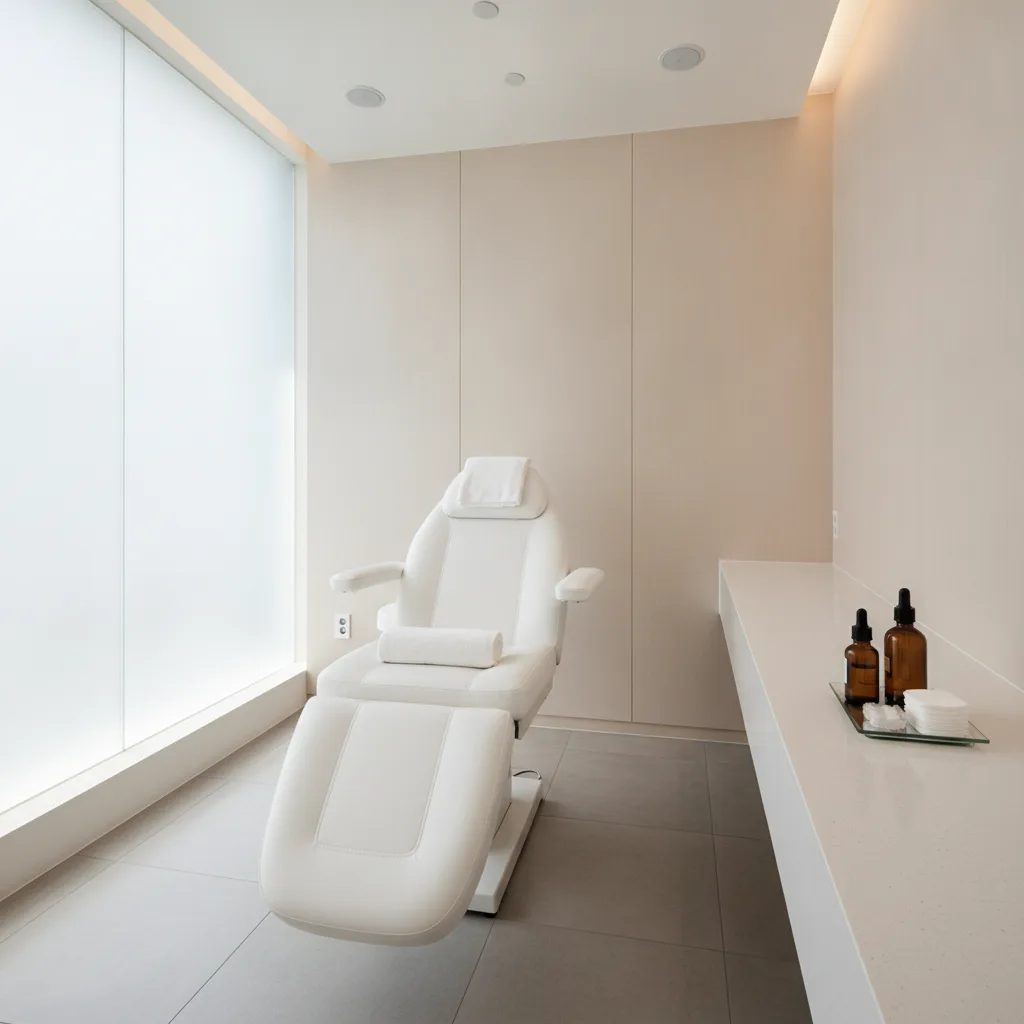
Chemical peels sit somewhere between a facial and a laser. In Seoul, the menu runs from a light glycolic buff you can walk out of at lunchtime, to a medium-depth TCA peel that leaves you flaking for a week. Here is what happens in a Seoul dermatology clinic in 2026, what you pay, and how to pick the right acid for your skin.
WHY SEOUL CLINICS DO PEELS WELL
Korean dermatology has been layering chemical peels into skincare protocols for two decades. Most Gangnam clinics run peels alongside laser toning, injectables, and skin boosters, so the person mixing your acid has done it thousands of times. That volume shows up in the finish. A well-executed Jessner in Sinnonhyeon leaves skin uniformly pink rather than blotchy, and the frost pattern reads even across cheeks, forehead, and jawline. Nurses time the neutralisation to the second because they work off standing protocols, not guesswork.
The other advantage is inventory. A single mid-tier Seoul clinic often stocks glycolic, salicylic, mandelic, lactic, Jessner, TCA, and one or two Korean-branded blends like Cosmelan or PRX-T33. In Bangkok or Sydney you usually get one house peel at a take-it-or-leave-it price. In Seoul you can match the acid to the pigment, oil level, or scar depth you actually have. That specificity is why repeat medical tourists tend to fold peels into every trip, often stacked with laser toning or a hydration booster.
THE PEEL MENU, IN PLAIN LANGUAGE
Glycolic acid at 20 to 50 percent strength is the entry point. It hits the outermost skin layer, brightens dull tone, and softens fine lines around the mouth and eyes. There is no visible peeling with most protocols, so you can fly home the next day. Expect around ₩120,000 to ₩180,000 per session in a Gangnam clinic, and most clinics sell it as a 3-session package for a modest discount.
Salicylic acid at 20 to 30 percent is the oily-skin and mild-acne pick. It penetrates the pore lining and dissolves sebum plugs, which is why breakouts often calm within a week. Mandelic acid is the gentler cousin, used when skin runs sensitive or when you scar dark after breakouts and cannot risk post-inflammatory pigment. Both sit around ₩150,000 to ₩200,000 per session at a mid-tier clinic.
Jessner peels layer salicylic, lactic, and resorcinol for a superficial-to-medium depth. Visible flaking starts around day three and finishes around day seven. TCA at 15 to 20 percent goes deeper, targeting acne scars, deeper pigment, and neck laxity. This one requires real downtime and daily moisturiser discipline. Prices climb accordingly: Jessner runs ₩250,000 to ₩400,000, TCA ₩350,000 to ₩600,000 depending on face size and the depth the doctor wants.
WHICH PEEL SHOULD I PICK?
Pick by the problem, not the price tag. Dull, uneven tone with no active pigment: glycolic works and costs the least. Oily skin, congestion, mild acne: salicylic. Sensitive skin, rosacea-prone, or you hyperpigment after any inflammation: mandelic. Melasma or stubborn pigment: PRX-T33 or Cosmelan combined with laser toning, sequenced carefully as covered in the Seoul melasma treatment ladder. Deep acne scars respond better to TCA CROSS spot work or RF microneedling than a full-face peel. If you are not sure which category you belong in, book a 10-minute skin consultation first and let the clinic map the acid to your dominant issue rather than upselling the whole menu.
WHAT DOES A CHEMICAL PEEL COST IN SEOUL?
Base prices above are for single-treatment walk-in pricing at mid-tier Gangnam and Sinnonhyeon clinics. Real total spend depends on session count, whether you add a PDRN or exosome recovery, and whether the clinic tacks on VAT. Apgujeong and Cheongdam skew 30 to 50 percent higher on identical protocols. Cosmelan and PRX-T33 packages include the take-home cream, which explains the higher line-item.
- 01Glycolic single session: ₩120,000 to ₩180,000 (about $85 to $130)
- 02Salicylic or mandelic single: ₩150,000 to ₩200,000 (about $110 to $145)
- 03Jessner single: ₩250,000 to ₩400,000 (about $180 to $290)
- 04TCA 15 to 20 percent single: ₩350,000 to ₩600,000 (about $250 to $430)
- 053-session glycolic package: ₩300,000 to ₩400,000 (about $215 to $290)
- 06PRX-T33 or Cosmelan package with cream: ₩550,000 to ₩900,000 (about $400 to $650)
Read the Apgujeong district guide for what you get for the premium tier, and compare against the Sinnonhyeon guide for mid-tier clinics that still deliver clinical results. VAT is a quiet cost that catches first-timers off guard, so scan the hidden costs breakdown before you commit to a multi-session package.
WHAT HAPPENS DURING A SEOUL PEEL APPOINTMENT?
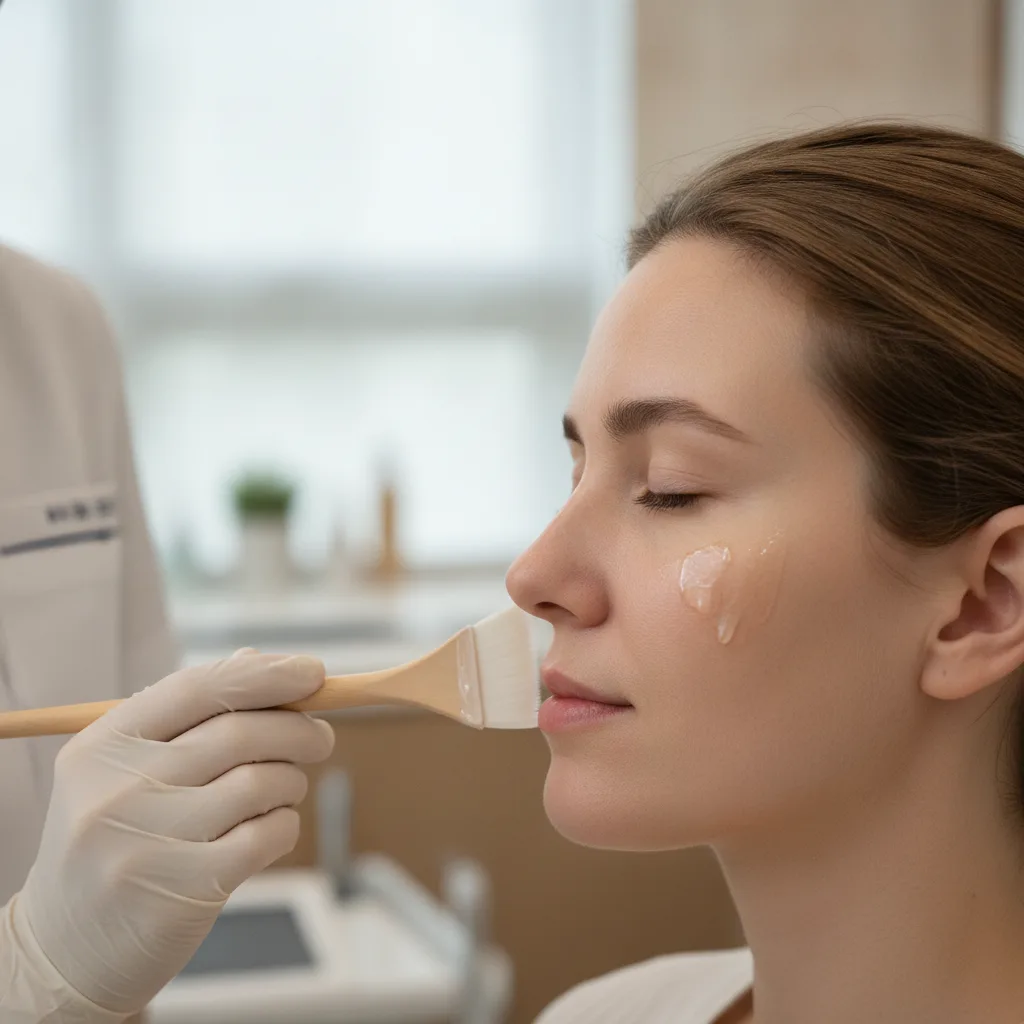
The whole visit takes 40 to 60 minutes for a single-acid peel. A nurse double-cleanses with an oil cleanser and a low-pH gel, then dries the skin thoroughly. Numbing cream is not standard for superficial peels because discomfort is minimal. For Jessner and TCA the doctor applies the acid in layers, watching for the frost point, then neutralises with cool water or a bicarbonate wipe. You will feel a stinging that peaks at the second layer, then eases within a minute of neutralisation.
Aftercare is where Seoul clinics separate themselves from the pack. A typical protocol pairs the peel with a soothing PDRN sheet mask, a cool LED session, and five minutes on a face cooling device. Many clinics send you home with a mini kit: mineral SPF 50, a ceramide barrier cream, and a low-irritation cleanser. The kit is normally included at premium tier and sold as a ₩30,000 add-on at budget clinics. If the front desk hands you nothing, buy your own barrier cream on the walk back to the subway.
DOWNTIME, SUN RULES, AND FLYING HOME
For superficial glycolic or mandelic peels, you can wear makeup within 24 hours and fly the same day. Salicylic peels behave the same way. Jessner peels flake visibly from day three, so plan four to seven low-photo days after the appointment. TCA is the peel where you should not schedule dinner plans or a rooftop bar for the first week. Redness settles by day 10, but flaking, tightness, and a matte finish continue for a full fortnight.
- 01Glycolic or mandelic: makeup at 24 hours, flight OK same day
- 02Salicylic 20 to 30 percent: makeup at 24 hours, flight OK next day
- 03Jessner: no makeup for 5 days, expect visible flaking days 3 to 7
- 04TCA 15 to 20 percent: no makeup for 7 days, real peeling for 7 to 10 days, cover-up needed for social plans
- 05All peels: mineral SPF 50 daily, no retinol for 14 days, no acid toners for 21 days
The rules for flying after aesthetic procedures come up in nearly every consult. The flying home guidance covers cabin pressure and post-peel skin in detail. The short version for peels: superficial is fine same day, medium-depth wants a rest day so the barrier can settle before dry cabin air. If you are stacking peels with lasers or injectables, the treatment-stacking guide sequences them so nothing collides.
Treatment guides · 7 min · Aug 19, 2026
← all posts
REJURAN VARIANTS EXPLAINED: HEALER, I, S, HB, EYE IN SEOUL
Every Rejuran type does something different. Here is what each variant treats, what it costs in Seoul, and which one your first booking should be.
SKIN BOOSTERS IN SEOUL 2026: JUVELOOK, PROFHILO, SCULPTRA GUIDE
A first-timer's cost, brand and clinic guide to skin boosters and collagen biostimulators in Seoul for 2026.
REVISION RHINOPLASTY IN SEOUL 2026: FIXING A FAILED NOSE JOB
A practical Seoul revision rhinoplasty guide covering cost, timing, cartilage sourcing, top districts, and which surgeons actually take secondary cases.
BREAST LIFT (MASTOPEXY) IN SEOUL 2026: COST, TECHNIQUES, RECOVERY
Everything a first-time medical tourist needs to know about mastopexy in Seoul: incision types, KRW pricing, recovery windows, and how it differs from augmentation.
LATERAL CANTHOPLASTY IN SEOUL: THE CAT EYE SURGERY GUIDE (2026)
How Korean surgeons lift the outer eye corner for a subtle cat-eye look, what it costs, and who it fits.
▶▶▶ stop reading. start matching.
FIND YOURS.
We'll pull five clinics matched to your case. WhatsApp reply within 24h.