APGUJEONG CLINICS IN SEOUL: THE PREMIUM DISTRICT GUIDE 2026
What makes Apgujeong different from greater Gangnam, how its price floors actually work, and when the premium tier earns the spend.
By Editorial
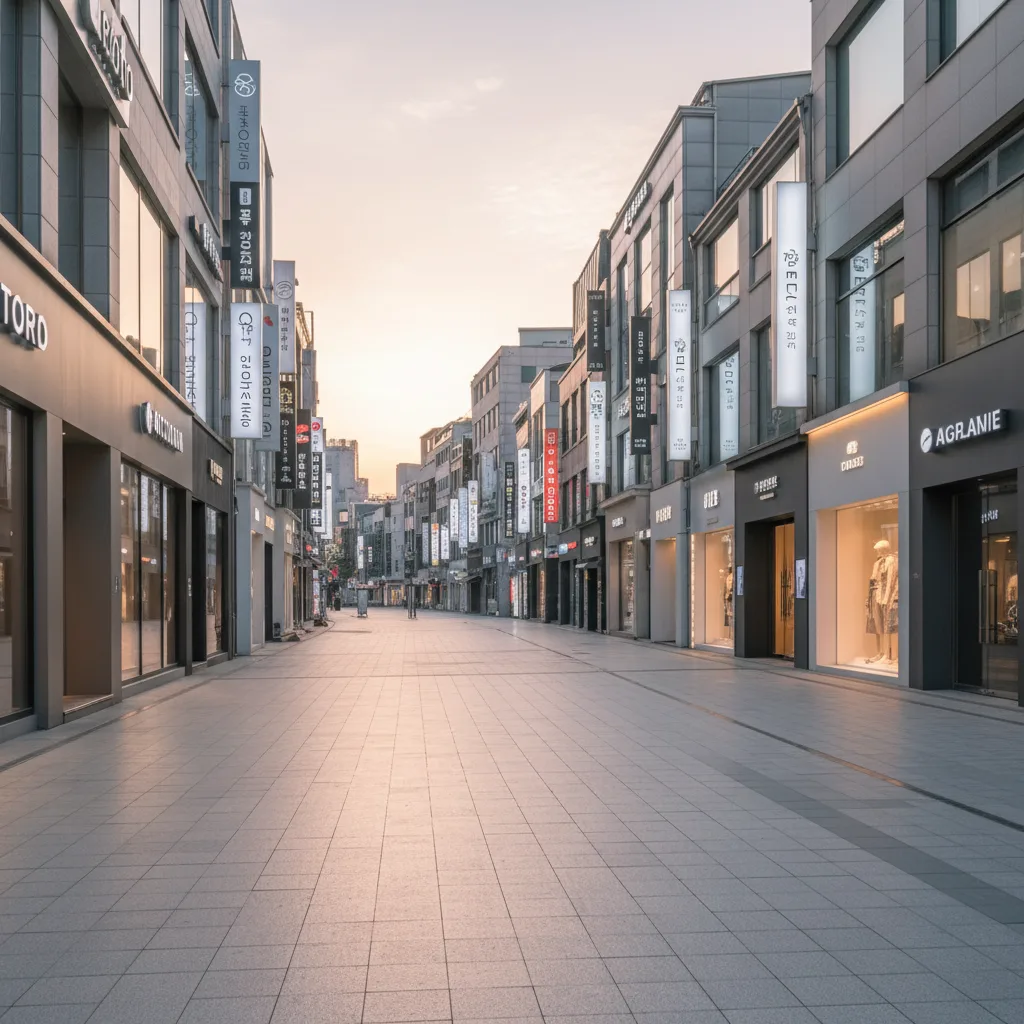
Apgujeong is the postal code visitors mean when they say they want the best clinics in Seoul. The neighbourhood sits inside Gangnam-gu, but the prices, the consultation pace, and the doctor pedigree run a tier above what you find around Gangnam Station ten minutes south. Knowing that gap, and when it actually buys you a better result, is the whole game.
WHERE APGUJEONG ACTUALLY IS
Apgujeong-dong sits north of Gangnam Station, wedged between the Han River and Dosan-daero, with Cheongdam-dong on its east flank and Sinsa-dong to the west. The cluster most foreigners mean by 'Apgujeong' is the wedge from Apgujeong Rodeo Station (Bundang Line) down to Dosan Park, plus the spine along Apgujeong-ro 50-gil. Clinics stack from the third floor upward in mid-rise buildings whose ground floors hold Chanel, Gentle Monster, and Tamburins. The signage is small and tasteful by design. You will walk past your appointment twice before spotting it.
The subway access is the underrated reason this district works for foreign patients. Apgujeong Rodeo Station Exit 5 puts you on the main clinic strip in under three minutes, and the next stop east, Cheongdam Station, drops you at the door of the priciest skin practices in the country. Most international patients book a Gangnam hotel and take a single subway stop in. Taxis from Hannam-dong or Itaewon run 12,000-18,000 won and skip the worst of the Gangnam traffic during the day.
HOW APGUJEONG DIFFERS FROM GREATER GANGNAM-GU
The mental model that helps: Gangnam Station is the volume tier, Apgujeong is the price tier, Cheongdam is the trophy tier. Around Gangnam Station and Sinnonhyeon, clinics compete on price-per-shot for botox, hair removal, and entry-level skin boosters. The clinic floor plates are bigger, the consultations are short, and the menu is built for turnover. Read the Gangnam district guide if you want the breakdown on that side of the gu.
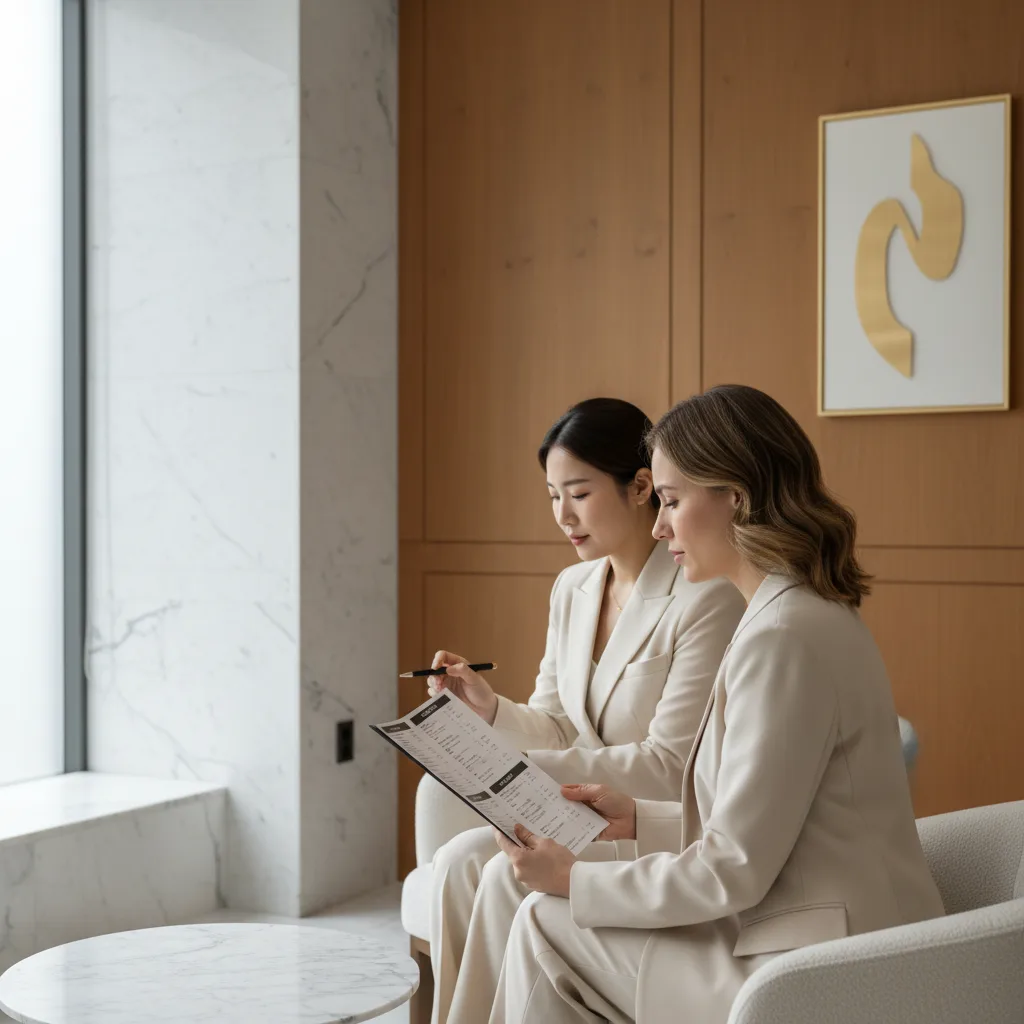
Apgujeong runs the opposite playbook. Smaller patient rooms, longer first consultations (45 to 75 minutes versus the 15-minute Gangnam Station norm), and a heavier weighting toward thread lifting, premium Ultherapy protocols, surgical refinements, and combination plans that sell across multiple visits. The doctors here often own the clinic and treat patient retention as the business. Walk-in pricing exists but is rarely the best deal. The structured packages are.
WHAT KINDS OF TREATMENTS DOMINATE APGUJEONG MENUS
Three categories take the top of nearly every Apgujeong consultation list. The first is non-surgical lifting: full-face Ultherapy at 300-600 shots, Shurink Universe packages, and PDO or PCL thread combinations marketed as the alternative to a mini facelift. Expect 1,800,000-3,200,000 won for a serious Ultherapy session and 1,400,000-2,800,000 won for thread lifts depending on count and material.
The second tier is the collagen-stimulator menu. Profhilo, Juvelook, Sculptra, and Rejuran sit at the centre of most Apgujeong skin protocols, usually sold as a three-session course six to eight weeks apart. Single sessions run 350,000-750,000 won, and the three-pack discount typically lands between 950,000 and 1,950,000 won. The depth of brand selection here is the actual reason to be in Apgujeong. The skin booster guide walks through which brand fits which complaint.
The third bucket is surgical and semi-surgical: rhinoplasty refinements, double eyelid revisions, V-line contouring, and fat repositioning. The premium tier hospitals on Dosan-daero handle a steady flow of revision cases that less established clinics will not touch, which is why a second-opinion consultation in Apgujeong is worth booking even when you do not plan to operate there.
HOW PRICING ACTUALLY WORKS IN APGUJEONG
Three quirks set Apgujeong pricing apart from the rest of Seoul, and missing them is the most common foreigner mistake.
- 01VAT is almost always quoted exclusive. The headline number on the menu adds 10% at the till. A 500,000 won quote becomes 550,000 won. Confirm this in writing before the consultation closes.
- 02The cash discount is real and large. Card transactions carry a 3-7% premium because the clinics are absorbing card fees on luxury volume. Bring a foreign-currency card with low FX fees or arrive with KRW for sessions above 1,000,000 won.
- 03Same-day bookings carry a friction tax. Walk-in pricing on the menu is the rack rate. Pre-booked appointments through clinic LINE or KakaoTalk channels, or via a coordinator, frequently come with a 10-20% discount that is never published.
Two more details that catch first-time visitors. Tourist VAT refunds (the K-ETA refund) generally do not apply to medical procedures, only to retail purchases above 30,000 won at registered shops. And the price ranges on Korean blog reviews are usually quoted in 만원 (10,000 won units), so '180만' on a menu means 1,800,000 won, not 180,000.
APGUJEONG VS CHEONGDAM: ARE THEY REALLY DIFFERENT?
The line between Apgujeong-dong and Cheongdam-dong is administrative, but the clinical culture shifts when you cross Dosan-daero heading east. Cheongdam runs heavier on flagship hospitals (the multi-floor surgical brands with international marketing teams) and on celebrity-favoured skin doctors with two-month waitlists. Apgujeong proper has more solo-doctor practices on second and third floors, which means more personal attention per session and slightly lower headline prices for similar tech.
If your visit centres on a single high-stakes procedure (rhinoplasty, double eyelid revision, V-line) the Cheongdam hospitals are worth the extra waitlist. If you are running a multi-treatment glow-up across one trip (Ultherapy plus skin boosters plus a Rejuran course) Apgujeong proper is usually the better operational base because everything sits within an eight-minute walk.
WHEN APGUJEONG IS WORTH IT
Apgujeong earns the premium when three conditions line up. The treatment is technique-sensitive (thread lifting placement, advanced laser settings for melasma, fat repositioning under the eyes), the result needs to last (you do not want to fly back in six months to fix asymmetry), and the doctor selection matters more than the equipment brand. Under those conditions, paying 30-50% more in Apgujeong versus Gangnam Station is a defensible decision.
Where it does not earn the premium is on commoditised treatments where the device does most of the work. Korean botox brands by the unit, hydrafacials, basic IPL toning, and a single-vial Rejuran shot run essentially the same protocol in a 20,000 won-per-unit Sinnonhyeon clinic and a 35,000 won-per-unit Apgujeong room. The best-value clinic comparison covers the price-quality math on the high-volume side. For those, the cheaper neighbourhoods are not a downgrade, they are the correct choice.
HOW TO SCHEDULE A FIRST APGUJEONG VISIT
Three steps make the first trip work. Book the consultation seven to ten days before you fly, not on the day. Apgujeong clinics with English coordinators (most flagships, fewer solo practices) get booked four to eight weeks ahead for full-face Ultherapy or surgical assessments. Send through your face photos and treatment history at booking. A coordinator who has seen the case before you walk in writes you a better plan than one improvising in the room.
Block two appointment days, not one. The pattern that works: Day 1 is consultation and any non-recovery treatment (skin boosters, Rejuran, laser toning). Day 2 is the heavier intervention if any (Ultherapy, threads, fillers in face zones that swell). Leave Day 3 free for downtime, and absolutely do not book a flight out within 24 hours of thread lifting or significant filler work.
District guides · 8 min · May 19, 2026
← all posts
GANGNAM VS APGUJEONG FOR TWO-JAW SURGERY IN SEOUL 2026
Both Seoul districts dominate jaw surgery but optimize for different patients. Here's how to pick yours in 2026.
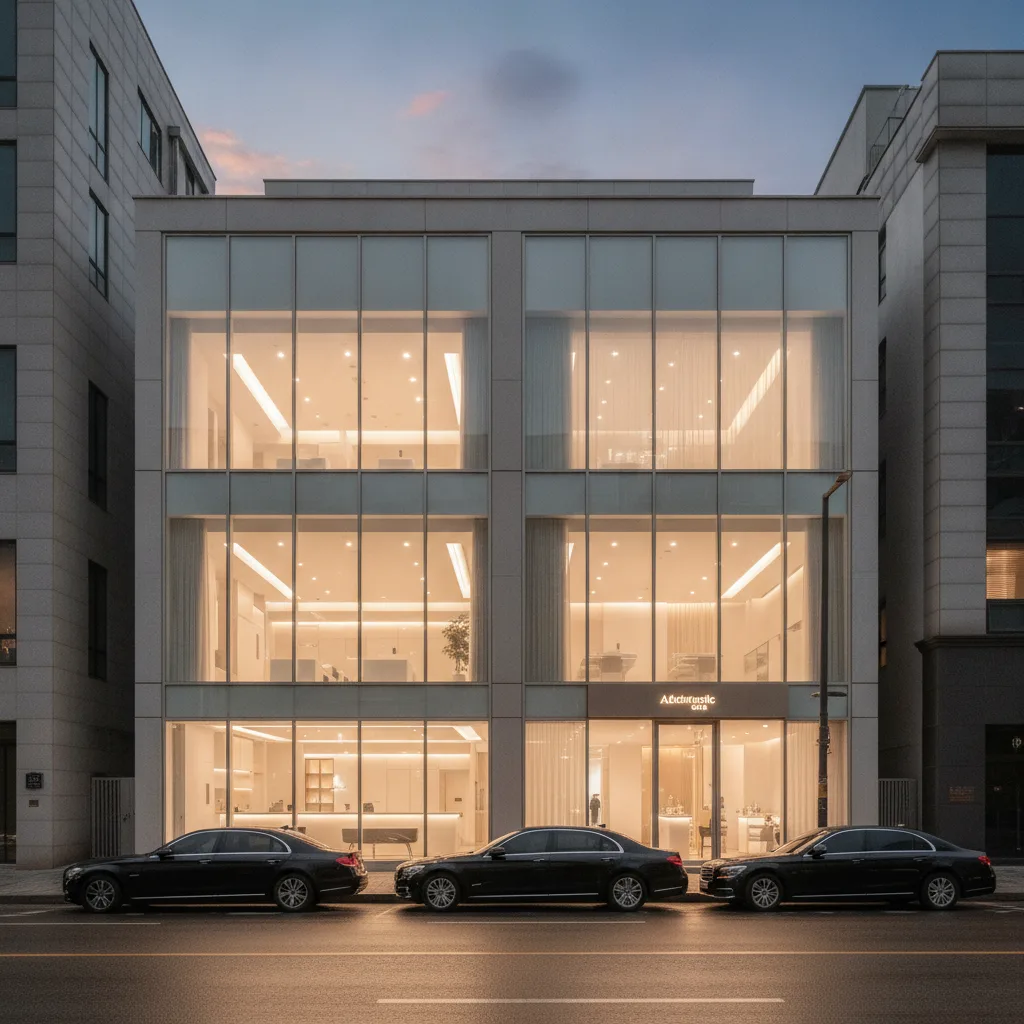
CHEONGDAM AESTHETIC CLINICS IN SEOUL: 2026 DISTRICT GUIDE
Cheongdam is Seoul's luxury aesthetic corridor. Here is what treatments cost, which streets to walk, and how the neighborhood plays for medical tourists in 2026.
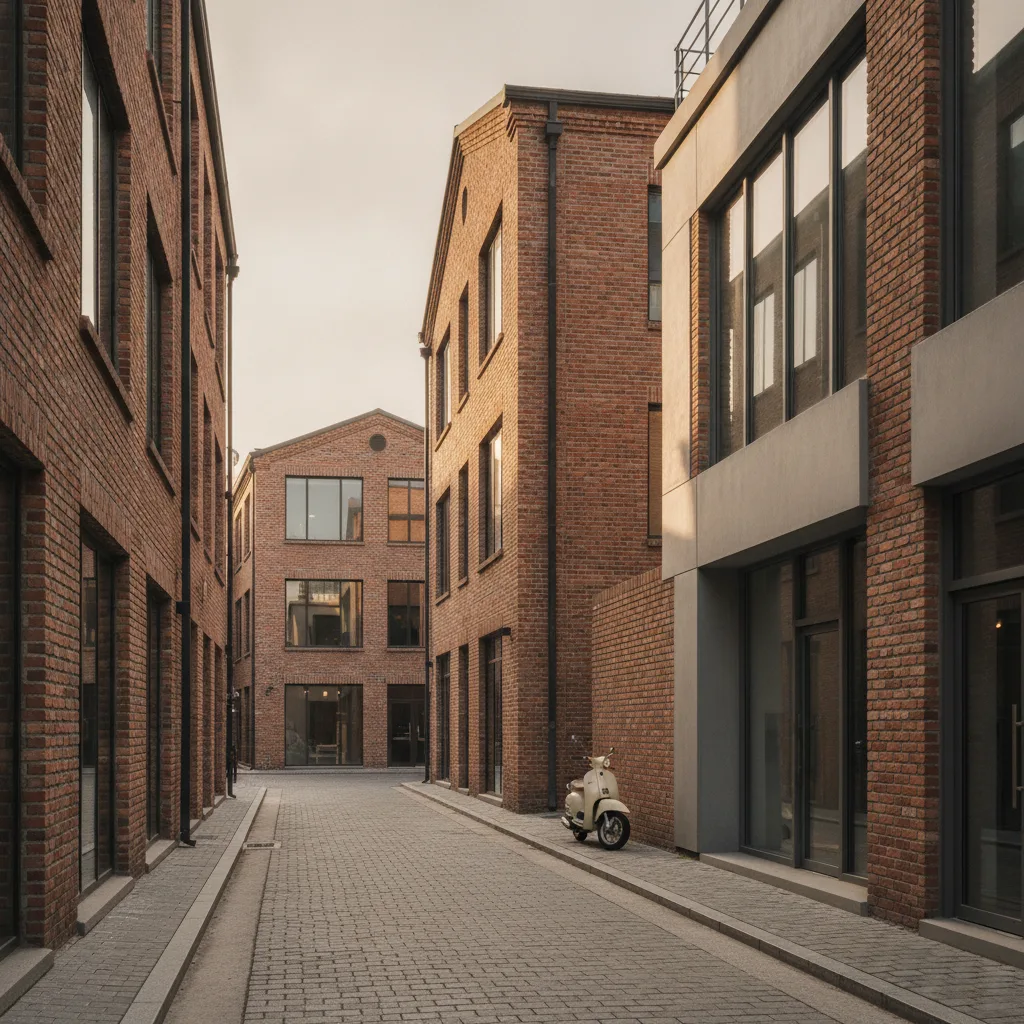
SEONGSU AESTHETIC CLINICS IN SEOUL: 2026 DISTRICT GUIDE
The creative industrial district is quietly building a boutique aesthetic scene. Here is what to expect, what it costs, and who it suits.
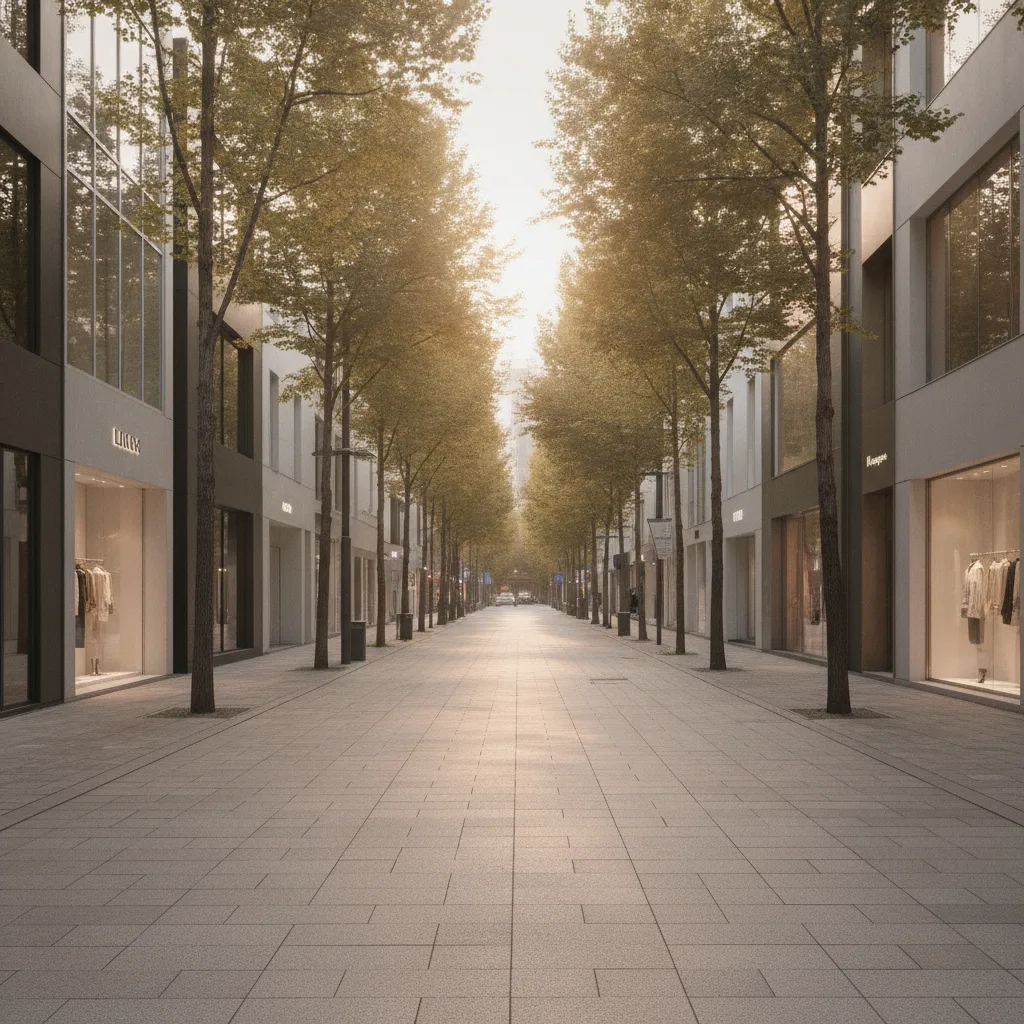
SINSA AESTHETIC CLINICS IN SEOUL: 2026 DISTRICT GUIDE
A walkable, design-led pocket between Apgujeong and Sinsa Station that quietly hosts some of Seoul's most balanced clinics.
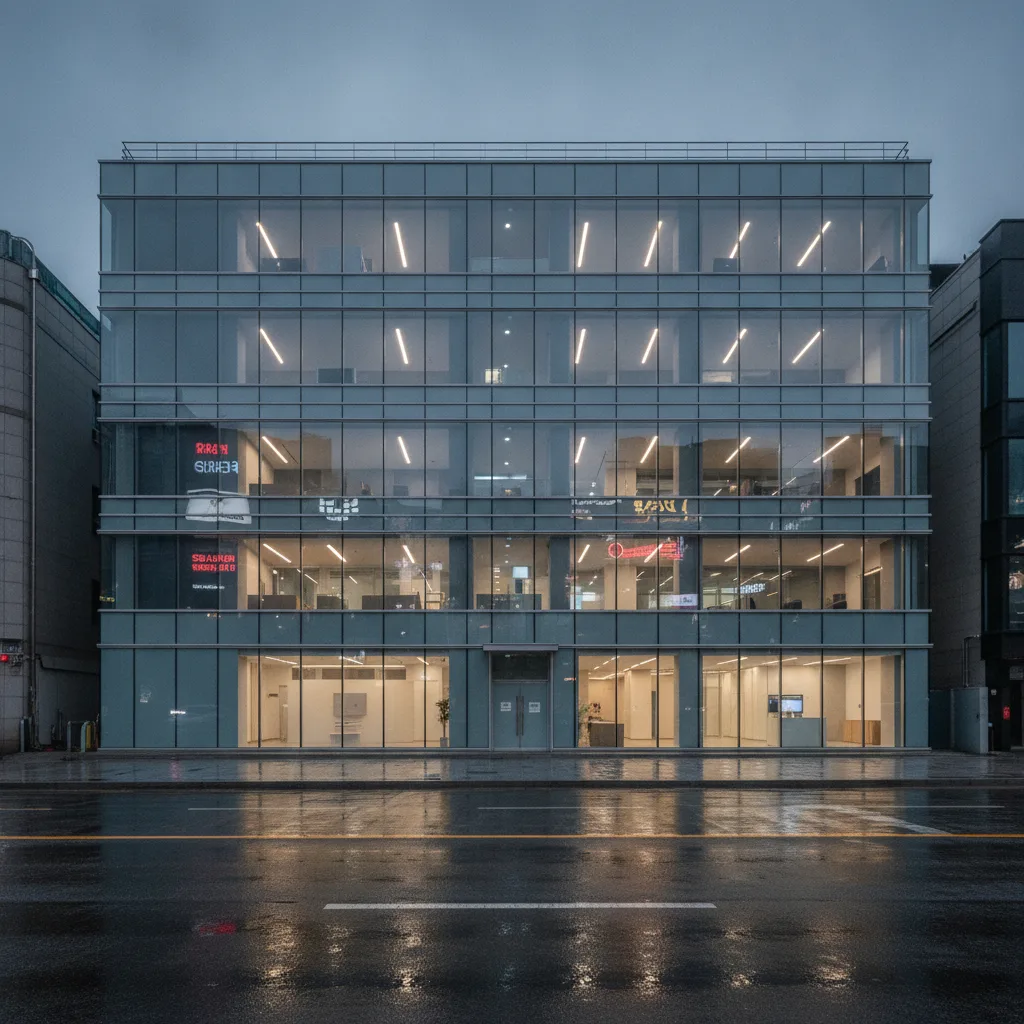
HONGDAE AESTHETIC CLINICS IN SEOUL: 2026 DISTRICT GUIDE
What to know before booking a clinic in Hongdae: who the district suits, what treatments fit, and what you will actually pay versus Gangnam.
▶▶▶ stop reading. start matching.
FIND YOURS.
We'll pull five clinics matched to your case. WhatsApp reply within 24h.