FLYING HOME AFTER SEOUL TREATMENTS: 2026 RECOVERY RULES
How long to wait before flying after Botox, fillers, threads, Ultherapy, and surgery in Seoul, by procedure and risk.
By Editorial
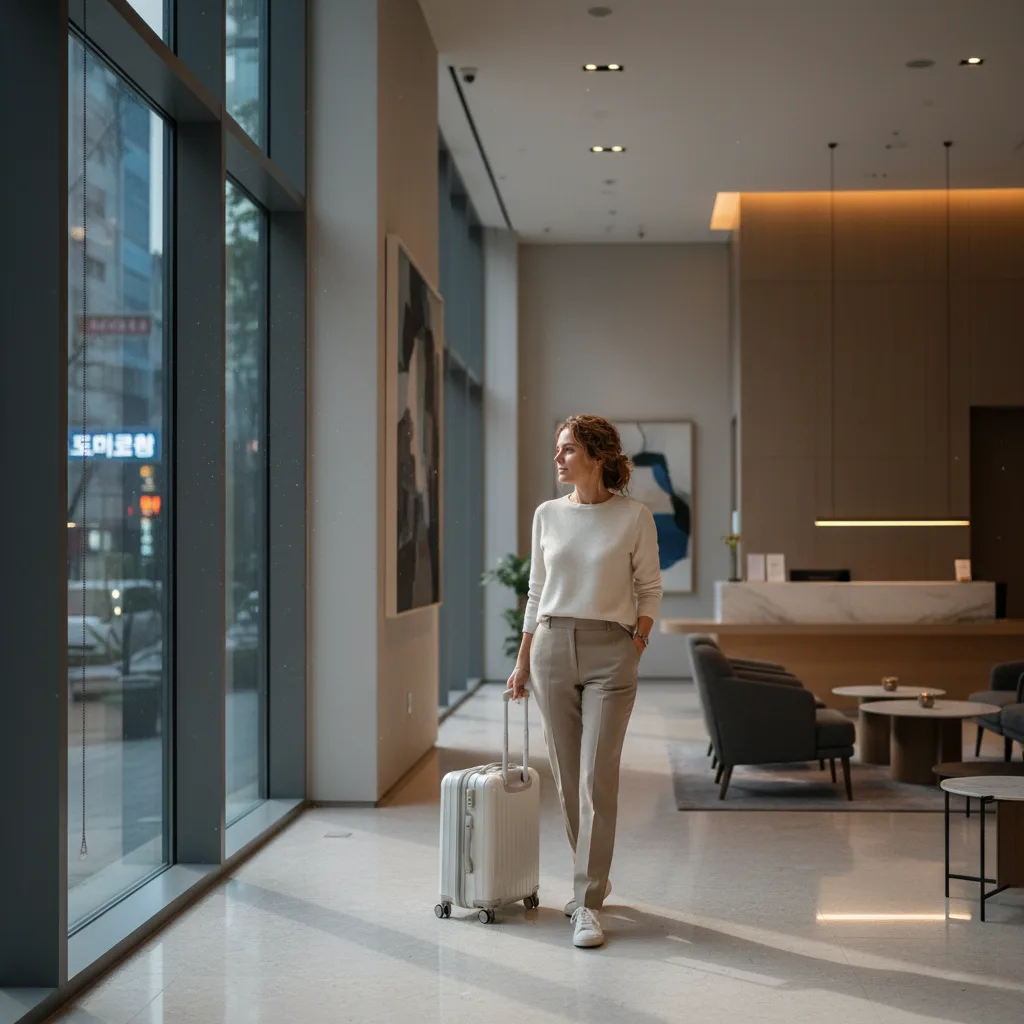
The flight home is the part most medical tourists underplan. You book the treatment, the hotel, and the airport transfer, then assume you can sit in a metal tube at cabin pressure twelve hours after a syringe went into your face. Sometimes that works. Sometimes you land in Bangkok or LA with a swollen jawline, a tender bruise that spread sideways under your eye, or a thread you can feel pulling when you turn your head.
WHY ALTITUDE AND CABIN PRESSURE MATTER
Commercial cabins pressurise to roughly the equivalent of 6,000 to 8,000 feet of altitude. That lower ambient pressure changes how fluid sits in tissue. Swelling that would have settled overnight in your Apgujeong hotel room can puff back up at cruising altitude, and bruises that looked under control at check-in can darken and spread by the time you collect your bags. Injectable products do not get displaced by altitude in any meaningful way, but the surrounding inflammation does, and that is what people see in the mirror three days later.
The other underrated variable is dry cabin air. Most long-haul flights run between 10 and 20 percent humidity, which is desert-grade. Freshly treated skin loses water faster, which slows the visible recovery from anything involving laser ablation, microneedling, or skin boosters. Plan as if you are recovering at altitude in a desert, because for ten hours you will be.
Korean clinics know this. Most front-desk teams will ask your flight date during intake and adjust the protocol, but only if you tell them. Volunteer the date and time of your return flight at consultation, not at checkout. If you wait until the consent form is signed, your options shrink to either flying with the swelling or eating a hotel night you did not budget for.
BOTOX, FILLERS, AND SKIN BOOSTERS: MINIMUM WAIT TIMES
Botox is the most flight-tolerant injectable in the Seoul menu. You can technically fly the same day, but the standing instruction from most Gangnam clinics is to wait at least 4 hours before lying flat and 24 hours before any long-haul flight. The reason is migration risk, not flying itself. If you flew the morning of treatment and slept face-down across three seats six hours in, you could nudge product where it was not meant to go. Wait a night. For a deeper map of brands and units, the Botox in Seoul 2026 guide covers what gets injected where.
Hyaluronic acid fillers need more buffer. Plan 48 to 72 hours minimum between filler and a long-haul flight, longer if you had any work near the under-eye or lip border. Bruising in those zones often peaks at day three, which is exactly when you are at altitude in dry air. Tear-trough work specifically benefits from a 5-day wait if your schedule allows. Most travellers do not have five days, so the next best move is asking for cannula technique over needle technique at the consultation, which roughly halves the bruise rate.
Skin boosters like Juvelook, Profhilo, and Rejuran sit in their own category. The product itself is fine to fly with after 24 hours, but the injection points on the cheeks can stay red and raised as small bumps for 48 to 72 hours. Cosmetically that is the issue, not safety. If you are flying business and nobody will see you, 24 hours is enough. If you are walking into a wedding 18 hours after landing, give yourself three nights in Seoul post-treatment. The full sequencing logic is in the Rejuran in Seoul guide.

THREAD LIFTS, HIFU, AND ULTHERAPY: 5 TO 7 DAY BUFFER
Energy-based and mechanical lifting procedures need real time on the ground. Thread lifts cause focal swelling along the cog path for 4 to 7 days. Cabin pressure can exaggerate that asymmetry and, in rare cases, make a thread that was sitting fine feel like it is pulling. Most Cheongdam clinics quote 5 to 7 days minimum before a long flight after PDO threads, and 7 to 10 days after PCL or Mint. Anything shorter is a gamble against your own face. The thread lifting guide breaks down which thread types tolerate travel best.
Ultherapy and Shurink Universe are gentler on flight schedules because the swelling is diffuse rather than focal. You can usually fly 48 to 72 hours after Ultherapy without visible drama, though some patients carry a low hum of tenderness along the bone for a week. HIFU does not bruise the way injectables do, so the cosmetic risk in transit is lower. The Ultherapy cost guide and the thread lifting vs Ultherapy comparison both factor flight timing into their booking notes.
- 01Botox: 24 hours before long-haul, no face-down sleeping for 4 hours.
- 02HA fillers (face): 48 to 72 hours, longer for tear trough or lips.
- 03Skin boosters and Rejuran: 24 hours for safety, 48 to 72 hours for cosmetics.
- 04PDO threads: 5 to 7 days minimum.
- 05PCL or Mint threads: 7 to 10 days minimum.
- 06Ultherapy or Shurink: 48 to 72 hours.
- 07RF microneedling or fractional laser: 3 to 5 days, depending on downtime tier.
SURGICAL PROCEDURES: WHEN 10 DAYS ISN'T ENOUGH
Surgical recovery on a plane is its own category, and the numbers most foreigners hear from agencies are too short. After rhinoplasty, the conservative standard is 10 to 14 days before a long-haul flight, with splint removal completed and stitches out. Cabin pressure does not break a nose that was set properly, but it does drive swelling that can last weeks longer than necessary. If you are flying home 8 days post-op because of work, expect a puffier nose for a month than the patient who waited 14 days. The full timeline is mapped in the Rhinoplasty in Seoul guide.
Double eyelid surgery is more forgiving for short flights but still wants 7 to 10 days for the swelling curve to peak and start receding. Facial contouring, V-line, and any jaw work needs 14 days minimum because of the airway swelling risk in the first week. No reputable Apgujeong surgeon will clear a contouring patient for a flight before day 10, and most write the discharge note for day 14. If a coordinator tells you otherwise, ask to see that in writing from the operating surgeon, not the sales team.
DVT risk also climbs after any procedure that limits movement. If you had general anaesthesia and a flight over 6 hours, ask the surgeon about compression stockings and a low-dose blood thinner protocol. This is not exotic, every contouring clinic in Seoul has a standard. You just have to ask for it before you walk out.
PRE-FLIGHT CHECKLIST FOR YOUR LAST 24 HOURS IN SEOUL
The night before your flight, do a quiet inventory. Check the treated area in good bathroom light, not phone light. If a bruise is still spreading rather than fading, it is not ready to be at altitude for ten hours. Take a photo so you can compare at the gate. If anything looks worse on flight morning, message the clinic before you leave Apgujeong, not after you land in Bangkok or Los Angeles. Most clinics will answer KakaoTalk within an hour during business hours and will tell you whether to delay.
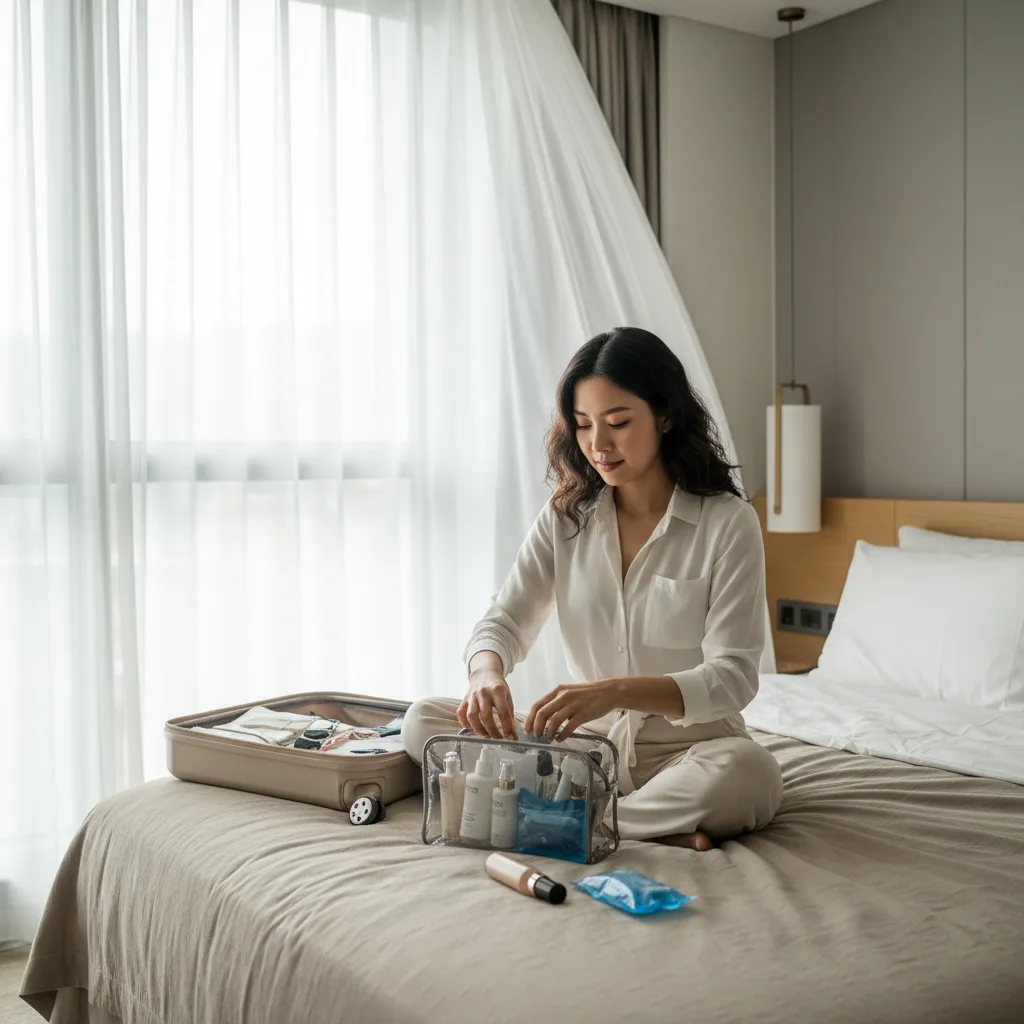
Pack a small medical kit in your carry-on, not the checked bag. Two reusable cold packs, a strip of paper tape for any post-op dressings that lift, your prescribed antibiotic course in the original pharmacy packaging, and a printed copy of your procedure summary in English and Korean. Korean pharmacies will issue the English version on request, and immigration in your home country occasionally asks for it if you look freshly post-op. Drink water on the plane and skip alcohol for the duration of the flight. Cabin air plus alcohol plus inflammation is the combination that turns a manageable bruise into a story you tell for a month.
HOW LONG SHOULD I WAIT TO FLY AFTER BOTOX IN SEOUL?
At least 24 hours for any long-haul flight. The procedural risk is low, but cabin pressure plus face-down sleeping in the first 4 hours is the migration window most clinics warn against. Same-day short-haul to Busan or Jeju is generally fine.
CAN I FLY THE SAME DAY AS FILLER TREATMENT?
Technically yes, but the bruise risk peaks around day 3 at altitude. Most Gangnam clinics recommend 48 to 72 hours for HA filler and longer for tear-trough work. If your only window is a same-day flight, ask for cannula technique and skip alcohol on board.
WHAT IS THE SAFEST GAP BETWEEN RHINOPLASTY AND A LONG-HAUL FLIGHT HOME?
10 to 14 days after splint removal and suture removal is the standard answer from Seoul rhinoplasty surgeons. Earlier flights are not catastrophic, but they prolong swelling for weeks. Surgeons in Apgujeong typically write discharge notes for day 14.
How-to · 7 min · Jun 3, 2026
← all posts
CREDIT CARD FEES AT SEOUL AESTHETIC CLINICS 2026: SURCHARGES & FX
What foreign patients actually pay in card surcharges, FX markups, and daily caps at Seoul aesthetic clinics in 2026.
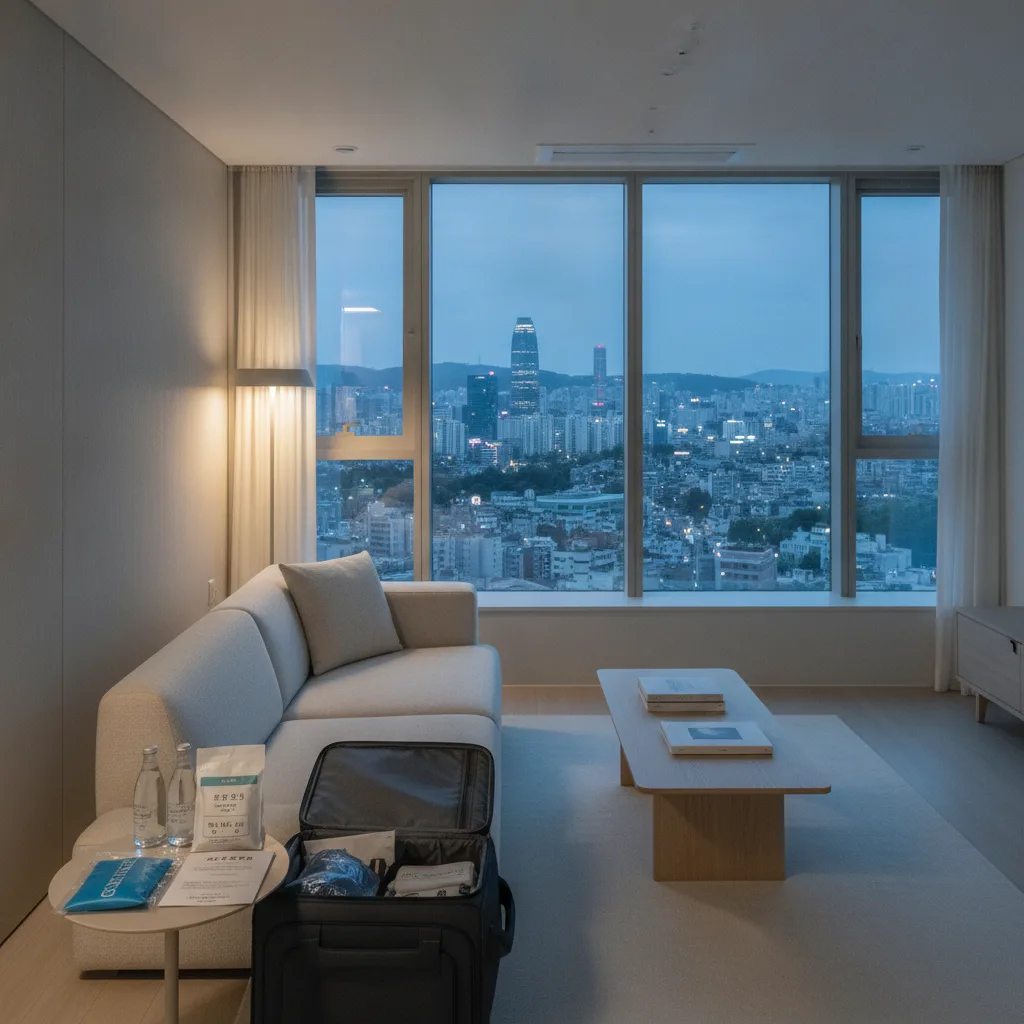
RECOVERY STAYS SEOUL PLASTIC SURGERY 2026: HOTELS AND PRICES
Where foreign patients actually stay after rhinoplasty, two-jaw, breast and body surgery in Seoul, with KRW night rates by district and what to book.
TRAVEL INSURANCE FOR SEOUL PLASTIC SURGERY 2026: WHAT ACTUALLY COVERS YOU
Standard travel policies exclude elective cosmetic surgery. Here is what covers complications abroad, what pays for a stuck flight home, and which Seoul clinics include their own policy.
TAX REFUND IN SEOUL FOR AESTHETIC TREATMENTS 2026: VAT RULES EXPLAINED
What foreign patients actually pay in 10% VAT at Seoul aesthetic clinics, which treatments qualify for the Medical Tourism Tax Refund, and how to claim your won back at Incheon.
MEDICAL VISA FOR SEOUL PLASTIC SURGERY 2026: RULES BY COUNTRY
Visa-free entry, K-ETA, and C-3-3 medical tourist visas explained for foreign patients flying to Seoul for plastic surgery in 2026.
▶▶▶ stop reading. start matching.
FIND YOURS.
We'll pull five clinics matched to your case. WhatsApp reply within 24h.