THREAD LIFTING VS ULTHERAPY: WHICH NON-SURGICAL LIFT TO BOOK IN SEOUL
Both promise a non-surgical lift. They lift different things, last different durations, and have very different recovery profiles. A practical comparison.
By Editorial

You've narrowed your Seoul aesthetic plan down to "I want a lift, but not surgery." The two contenders: thread lifting and Ultherapy. They sound similar, they're priced similarly, and Korean clinics often pitch both. Here's how they actually differ.
THE MECHANISM DIFFERENCE
Threads physically lift tissue. Bioabsorbable barbed threads inserted under the skin catch the soft tissue when pulled, producing immediate mechanical lift. The threads dissolve over 6–24 months but the surrounding tissue builds collagen along the thread tracks, so the lift continues even after the thread is gone.
Ultherapy stimulates collagen. Focused ultrasound at three depths (1.5 mm, 3 mm, 4.5 mm SMAS) creates micro-thermal injury zones; the body lays down new collagen and tightens the existing matrix over 8–12 weeks. There is no immediate lift, the result builds gradually.
TIME TO RESULT
Threads: instant. You see the lift on the table. The first week looks slightly over-lifted (which is intentional, it relaxes into a natural position over 2–3 weeks). Ultherapy: gradual. Visible lift typically appears at weeks 4–6 and continues building through week 12.
For a wedding in 4 weeks, threads are the only option that delivers in time. For a 6-month plan, Ultherapy gives a more natural result curve.
DURATION
PDO threads last ~12 months. PCL threads last 18–24 months. PLLA Silhouette Soft threads can extend to 24+ months. Ultherapy results last 12–18 months from a single session, though many patients top up at 12 months for compounding effect.
“Threads are the only non-surgical option that delivers an immediate lift. Ultherapy is the more natural-looking long-term play.”
RECOVERY AND RISK
Threads: 7–14 days of social downtime. Bruising at insertion sites is common, occasional skin dimpling that resolves over 1–2 weeks. Sleeping on your back for 3–5 nights. No exercise for 1 week. Risk of palpable thread or asymmetry if the operator is inexperienced.
Ultherapy: minimal downtime. Mild redness for 1–2 hours, occasional pinpoint bruising. You can fly the next day, exercise within 48 hours. Very low risk profile in experienced hands.
COST IN SEOUL
A meaningful thread protocol uses 8–16 threads. PDO at ₩200K each = ₩1.6M–3.2M. PCL at ₩250K each = ₩2.0M–4.0M. PLLA Silhouette Soft at ₩400K each runs higher.
A 300-shot Ultherapy session (full face) ranges ₩900K–1.8M depending on clinic tier. So they're in similar ballparks for a single full-face protocol, threads slightly more, with a longer-lasting result.
THE COMBO ANSWER
Korean clinics often combine both: Ultherapy in month 1 to reset the SMAS, threads at month 2 for the immediate mechanical lift. The Ultherapy collagen response strengthens the tissue around the thread tracks, and the threads provide the visible result while the Ultherapy result builds. A common premium plan; expect ₩3M–5M total.
Comparisons · 7 min · May 1, 2026
← all posts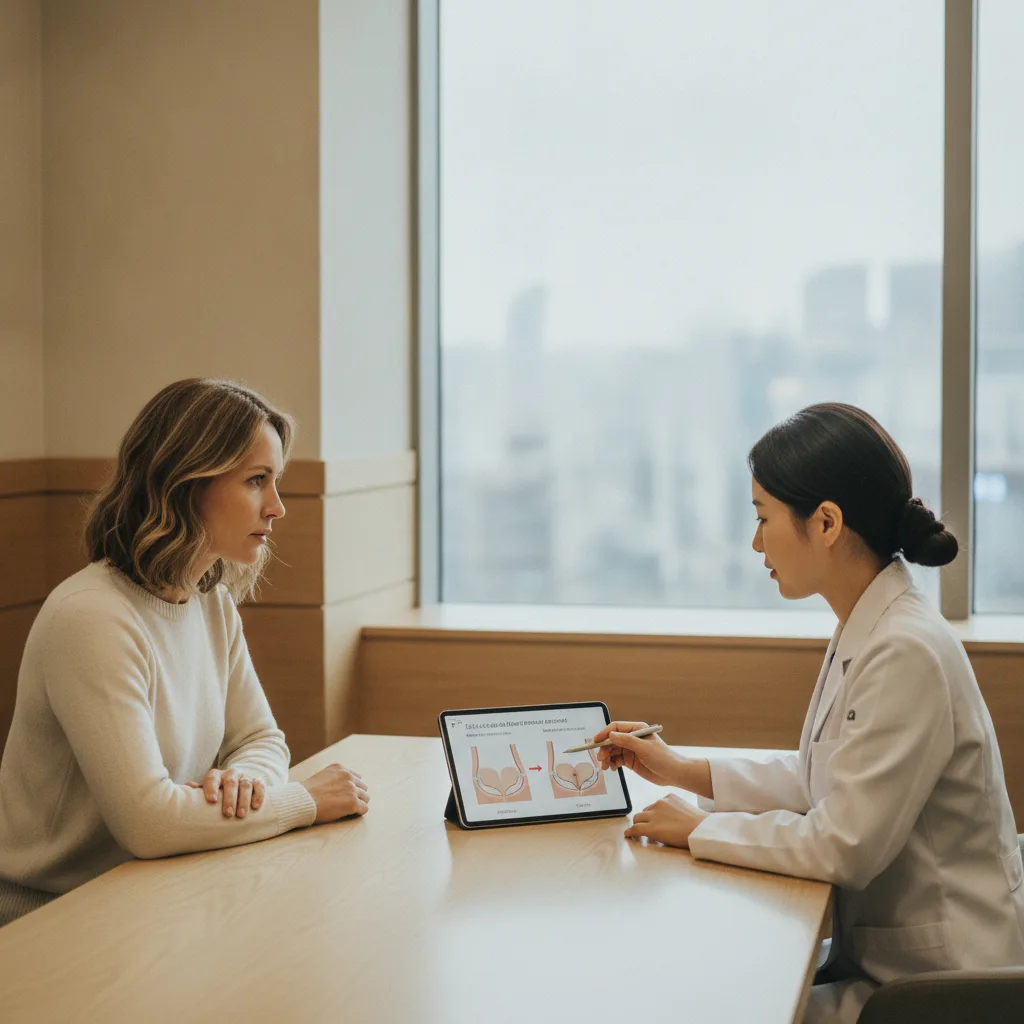
BREAST IMPLANT REMOVAL SEOUL 2026: EN BLOC VS CAPSULECTOMY VS EXPLANT
The three protocols Seoul surgeons use to take breast implants out, how they pick between them, and what each one costs and recovers like for foreign patients in 2026.
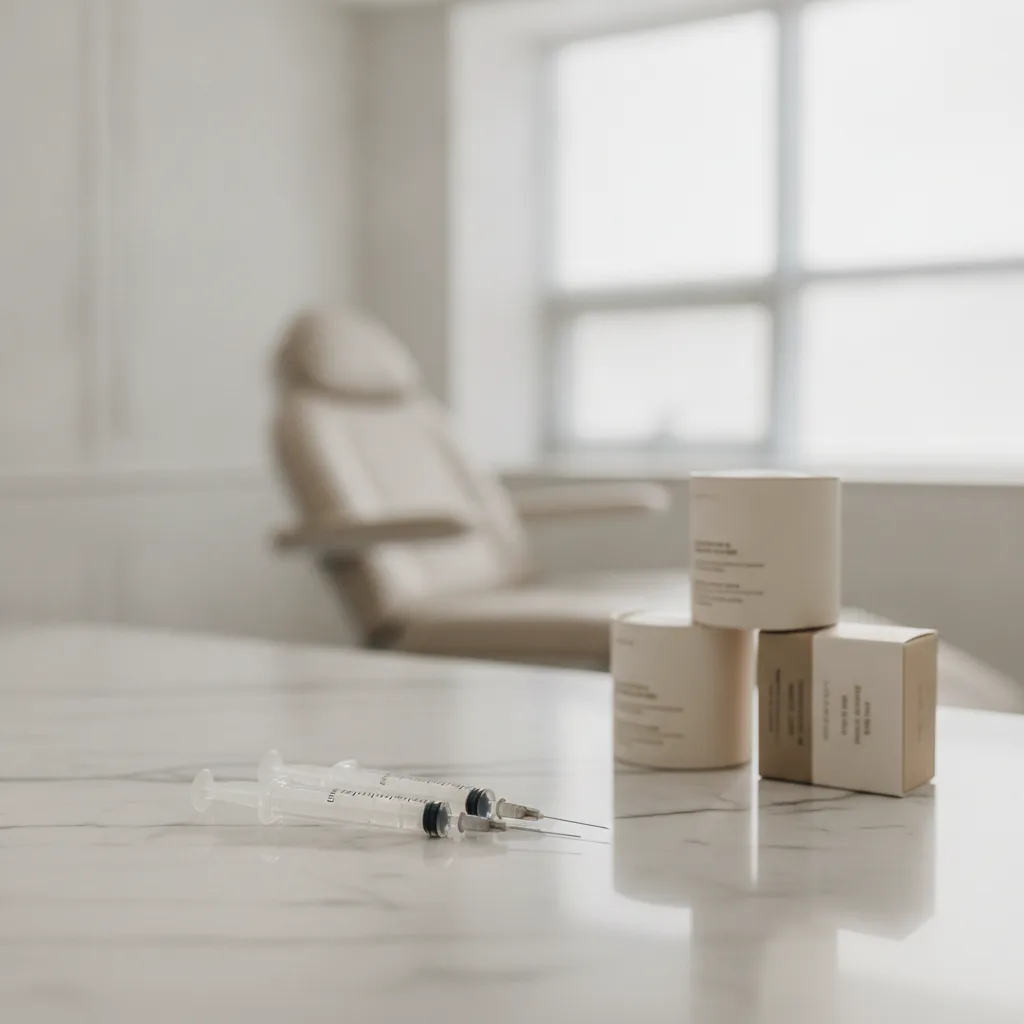
JUVEDERM VS RESTYLANE VS BELOTERO: SEOUL FILLER BRANDS 2026
The three Western HA filler families Seoul injectors actually stock, where each one wins on the face, and what foreign patients pay per syringe in 2026.
SUBGLANDULAR VS SUBMUSCULAR VS DUAL PLANE BREAST AUGMENTATION SEOUL 2026
The three pocket planes behind every Seoul boob job, how surgeons pick between them, and what each one means for recovery, feel, and ten-year results.
MINT PDO VS WONDERLIFT VS SILHOUETTE SOFT THREADS SEOUL 2026
The three thread brands Seoul clinics argue about, how surgeons actually pick between them, and what each costs for foreign patients in 2026.
FAT TRANSFER VS IMPLANTS BREAST AUGMENTATION SEOUL 2026
Head-to-head verdict on fat grafting and silicone implants in Seoul, with KRW price bands, revision rates, and the clinic types that run each procedure well.
▶▶▶ stop reading. start matching.
FIND YOURS.
We'll pull five clinics matched to your case. WhatsApp reply within 24h.