EXOSOMES VS PRP IN SEOUL: WHICH WINS FOR SKIN AND HAIR (2026)
A practical 2026 comparison of exosome therapy and PRP at Seoul aesthetic clinics, with prices, protocols, and how to pick between them for skin or hair.
By Editorial
Exosomes and PRP keep showing up on the same Seoul clinic menus, often within a few hundred thousand won of each other, and almost always pitched as the same thing in different bottles. They are not. One is a manufactured signalling product. The other is your own blood, spun in a centrifuge. They behave differently on the face, behave differently on the scalp, and price out very differently once you compare a real Gangnam consultation against a midtier Sinnonhyeon menu.
WHAT IS ACTUALLY IN THE SYRINGE?
PRP is platelet-rich plasma. The clinic draws 10 to 20 ml of your blood, spins it in a centrifuge for roughly 8 to 12 minutes, and separates out the platelet fraction. That fraction is then either microneedled into the skin or injected into the scalp. The active ingredients are your own growth factors, mainly PDGF, TGF-beta, VEGF, and IGF-1. Concentrations vary by kit, by spin speed, and by how recently you ate or slept. PRP is essentially a bespoke biological that changes every time you sit down.
Exosomes are different. They are nano-sized vesicles secreted by stem cells, isolated in a lab, lyophilised into a vial, and reconstituted at the clinic. In Korea the dominant products are ASCE+ from ExoCoBio (adipose stem cell derived), Benev (rose stem cell exosomes, technically a topical), and a handful of newer salmon and umbilical variants. The vial is the same strength every time you book it. That consistency is the main reason Korean dermatologists started preferring exosomes for first-time patients who want a predictable result on a tight timeline. For a broader walkthrough of how Korean clinics deploy them, our exosomes Seoul guide covers the protocol stack in depth.
SKIN: WHICH ONE ACTUALLY BUILDS COLLAGEN FASTER?
For pure skin rejuvenation, exosomes win on speed and PRP wins on depth. A standard exosome facial in Seoul pairs the vial with a fractional laser or RF microneedling pass, then drives the solution into the freshly channelled skin. Visible glow shows up within 5 to 7 days, and the collagen remodelling continues for about 8 weeks. Three sessions, spaced two weeks apart, are the typical Korean protocol for someone in their late twenties to mid-forties with early laxity or dullness.
PRP takes longer to show up because your own growth factors have to recruit fibroblasts before any new collagen lays down. The trade-off is that PRP keeps working in the deeper dermis for closer to 12 weeks per session. For acne-scar patients and anyone with thinning, crepey skin in their forties and fifties, Korean dermatologists still reach for PRP combined with subcision or fractional CO2. If you are comparing this against polynucleotide work, our Rejuran vs skin boosters breakdown explains where each one slots into the same face.
Sensitive or reactive skin tilts the decision toward exosomes. The lyophilised product is cell-free, so there is no residual platelet activation, less post-procedure inflammation, and almost no redness past day two. Rosacea patients in particular tend to tolerate exosomes far better than PRP.
HAIR: WHICH ONE REGROWS DENSITY?
This is where the two diverge most. PRP for hair loss is well-studied, covered by years of trichology data, and remains the default scalp injectable at Seoul hair clinics like Maxwell, Forhair, and the dermatology arms of the bigger Gangnam groups. A typical course is 4 sessions spaced 4 weeks apart, followed by a maintenance session every 4 to 6 months. Most patients see slowed shedding by month two and visible density gain at the temples and crown by month six.
Exosomes for hair are newer and Korean clinics are split. Some derms swear by ASCE+ scalp protocols for early androgenic loss, especially for women in their thirties and forties who do not respond to minoxidil. Others see exosomes as an expensive add-on rather than a standalone treatment, and prescribe them in rotation with PRP. If you are weighing scalp injectables against a full restoration, the hair transplant Seoul guide covers when injectables stop making sense and FUE or DHI starts.
- 01Active shedding, no surgery yet: PRP, 4 sessions
- 02Early female pattern thinning: exosomes, 3 sessions then PRP maintenance
- 03Post-transplant graft support: exosomes, 1 to 2 sessions at month 1 and 3
- 04Diffuse stress-related shedding: PRP, 2 sessions then reassess
HOW MUCH DOES EACH ONE COST IN SEOUL (2026)?
Exosomes are the more expensive line item per session, but the protocols are shorter. A single ASCE+ facial in Gangnam runs around ₩400,000 to ₩650,000, roughly $290 to $470, depending on whether it includes a laser or microneedling pass. A 3-session package in Apgujeong typically lands between ₩1,200,000 and ₩1,800,000, about $870 to $1,300. Benev topical add-ons after laser are cheaper, usually ₩150,000 to ₩250,000, but their published clinical evidence is thinner than the injectable lines.
PRP is cheaper per session and the package math reflects it. A facial PRP session sits around ₩200,000 to ₩350,000, roughly $145 to $255. Scalp PRP is similar, ₩250,000 to ₩400,000 per round, with discounts when bundled in 4-session courses. Sinnonhyeon clinics consistently price PRP about 20% lower than Apgujeong, which is also where the cheapest credible kits tend to be used. For deeper price breakdowns including VAT, see the exosomes cost guide and our note on hidden costs in Seoul clinics.
“On a per-session basis exosomes cost roughly twice what PRP costs. On a per-result basis, the gap is much smaller.”
WHICH SEOUL CLINICS ACTUALLY DO WHAT?
Both treatments are widely available, but the menus differ. The Apgujeong premium tier (Lienjang, Banobagi Dermatology, ID Hospital's skin arm, Oracle Apgujeong) leans heavily on ASCE+ exosomes paired with their proprietary laser protocols. The Sinnonhyeon and Seocho midtier clinics tend to push PRP as the workhorse and offer exosomes as a one-vial upsell. Cheongdam medi-spas, particularly the ones aimed at K-pop and acting clientele, run combined exosome-PRP cocktails that are not standardised across the city.
Translator availability matters more for PRP than for exosomes because the blood-draw and consent paperwork is longer. If you are booking from abroad and English support is patchy, an exosome session is the less stressful first appointment. Our translator services guide lists which clinics handle which languages directly.
Ask each clinic two questions before you book. Which exosome brand and lot number are you using today, and how many spins does your PRP kit run? Reputable clinics answer both without hesitation. Vague answers usually mean a relabelled product or a single-spin kit that produces weak plasma.

SIDE EFFECTS, DOWNTIME, AND WHAT TO PLAN FOR?
PRP downtime is mostly bruising at injection sites and 24 to 48 hours of facial puffiness. Scalp PRP can feel sore through the next morning. Exosomes paired with microneedling produce 1 to 3 days of pinkness similar to a mild sunburn, very little bruising, and no soreness. Neither treatment is appropriate within 7 days of a long-haul flight if you bruise easily, since cabin pressure exaggerates swelling at injection points. The full pre and post rules sit in our pre-treatment checklist.
Avoid both treatments if you are on systemic isotretinoin, currently pregnant, or running an active autoimmune flare. PRP is additionally a poor choice if your platelet count is low or you are on aspirin therapy that you cannot pause for 10 days. Exosomes have no published contraindication for blood thinners, which is one reason older patients on cardiology medication often choose them by default.
Comparisons · 7 min · Jun 27, 2026
← all posts
BREAST IMPLANT REMOVAL SEOUL 2026: EN BLOC VS CAPSULECTOMY VS EXPLANT
The three protocols Seoul surgeons use to take breast implants out, how they pick between them, and what each one costs and recovers like for foreign patients in 2026.
JUVEDERM VS RESTYLANE VS BELOTERO: SEOUL FILLER BRANDS 2026
The three Western HA filler families Seoul injectors actually stock, where each one wins on the face, and what foreign patients pay per syringe in 2026.
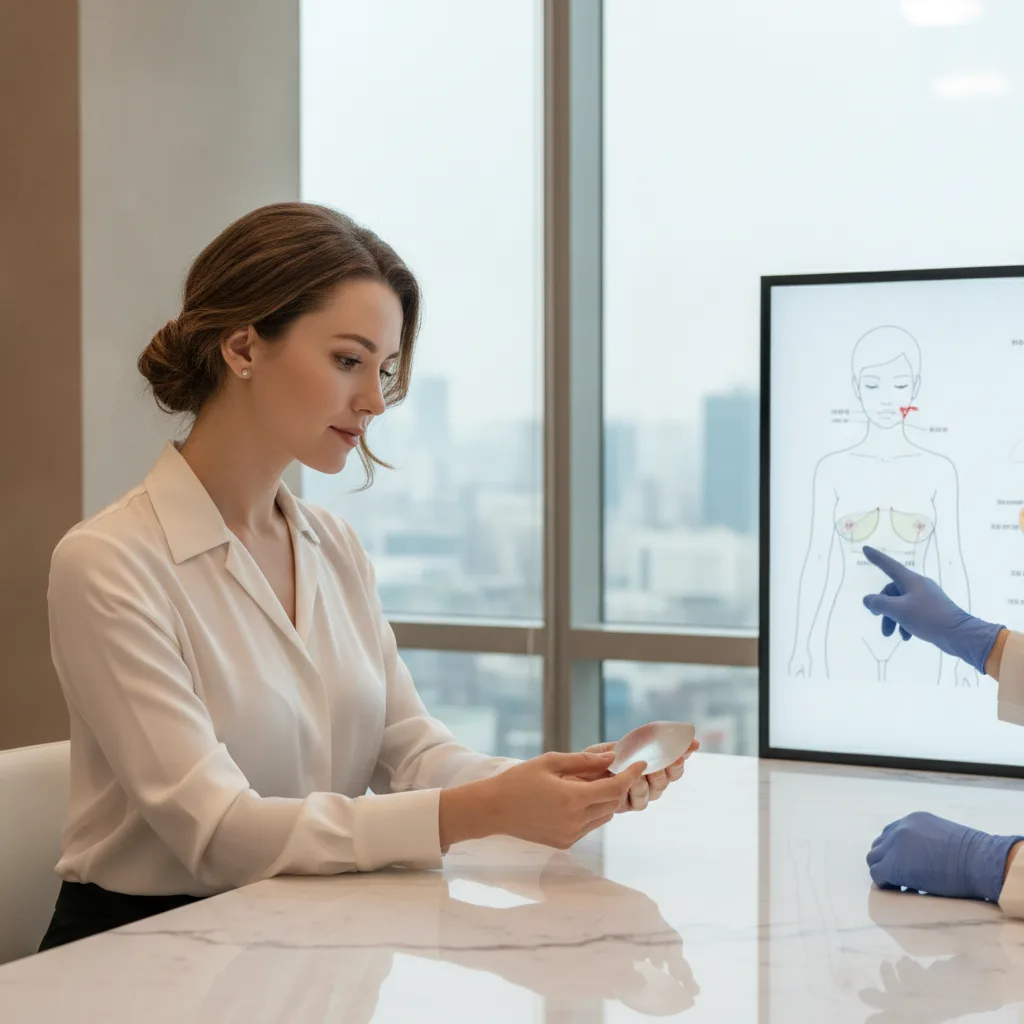
SUBGLANDULAR VS SUBMUSCULAR VS DUAL PLANE BREAST AUGMENTATION SEOUL 2026
The three pocket planes behind every Seoul boob job, how surgeons pick between them, and what each one means for recovery, feel, and ten-year results.
MINT PDO VS WONDERLIFT VS SILHOUETTE SOFT THREADS SEOUL 2026
The three thread brands Seoul clinics argue about, how surgeons actually pick between them, and what each costs for foreign patients in 2026.

FAT TRANSFER VS IMPLANTS BREAST AUGMENTATION SEOUL 2026
Head-to-head verdict on fat grafting and silicone implants in Seoul, with KRW price bands, revision rates, and the clinic types that run each procedure well.
▶▶▶ stop reading. start matching.
FIND YOURS.
We'll pull five clinics matched to your case. WhatsApp reply within 24h.