FAT TRANSFER VS IMPLANTS BREAST AUGMENTATION SEOUL 2026
Head-to-head verdict on fat grafting and silicone implants in Seoul, with KRW price bands, revision rates, and the clinic types that run each procedure well.
By Editorial

Two women walk into the same Apgujeong clinic wanting a bigger chest. One leaves with 275cc Motiva implants under the pec, back on a flight in 10 days. The other leaves with 320cc of her own thigh fat redistributed into the breast, no implant, flying home in 14 days. Both procedures live under the same banner on the price list, both cost around ten million won give or take, and both deliver a visible result. The choice between them is a clinical one, not a budget one, and it comes down to how much size you need, how much donor fat you have, and how comfortable you are with a one-shot procedure versus a lifetime maintenance plan. This guide is the head-to-head: what each procedure actually does, the KRW bands in Seoul right now, revision rates from the real literature, and the best-value breast augmentation clinics that run each lane well.
THE ACTUAL CLINICAL DIFFERENCE
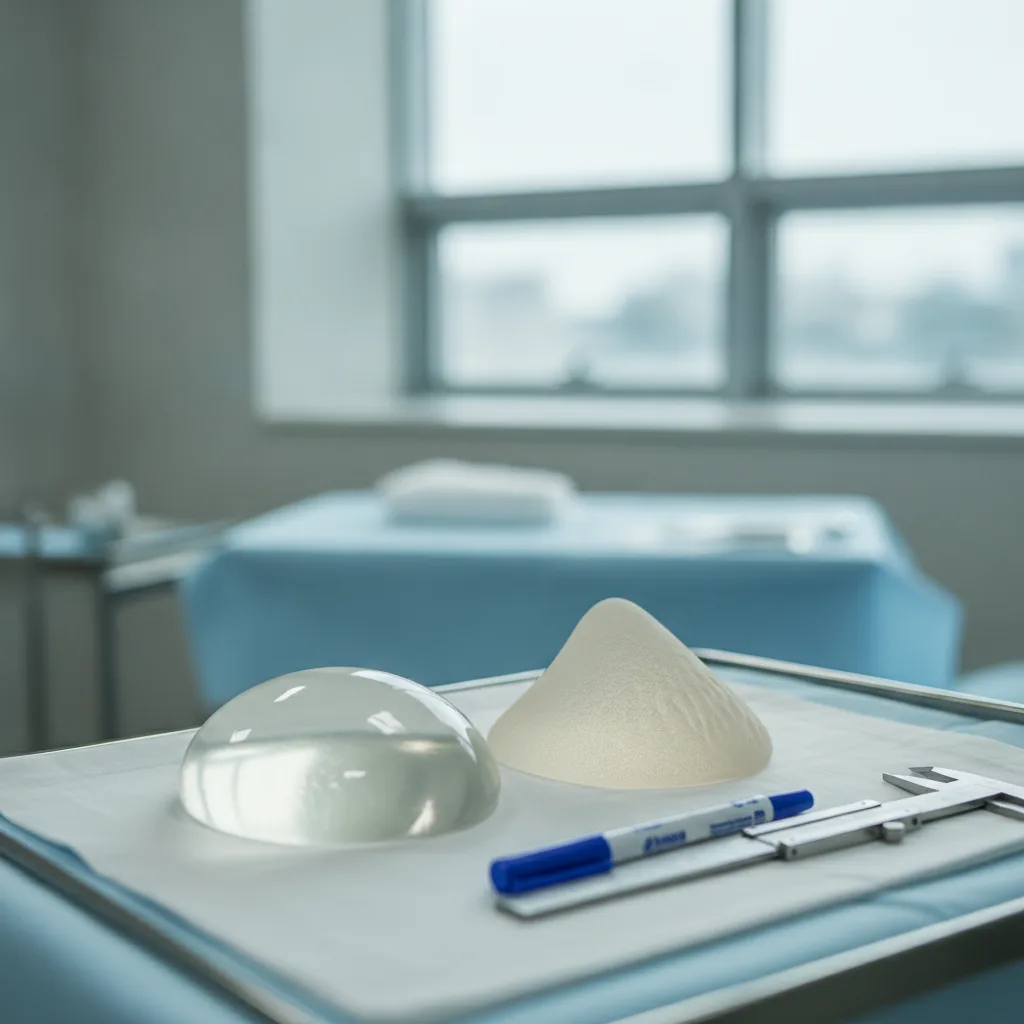
A silicone implant is a sealed cohesive-gel device placed under the breast tissue or under the pectoralis muscle through a 4 to 5cm incision in the inframammary fold, areola, or armpit. Round smooth implants dominate the Korean market in 2026 because the FDA textured-implant scare of 2019 pushed every major surgeon back to smooth shells. The three brands you see on every price menu in Gangnam are Motiva, Mentor, and Allergan Natrelle, with Motiva taking roughly 70% of share in the premium Seoul segment on the strength of the SmoothSilk surface and a 10-year warranty. Implants give predictable one-step volume, and the surgeon can hand you a size on the operating table that matches what you measured in the sizer bra at consultation.
Fat transfer breast augmentation, called AFT or autologous fat grafting on Korean price sheets, is a two-stage operation inside one surgery day. First comes power-assisted liposuction from the abdomen, flanks, inner thighs, or back to harvest 400 to 800ml of raw fat. The lipoaspirate is centrifuged or filtered through a Puregraft, Lipogems, or Revolve system to remove tumescent fluid and dead cells, which cuts the usable volume roughly in half. Then the surgeon redistributes 250 to 400ml of purified fat per breast across three to five tissue planes using blunt cannulas. Volume gain per session is usually one cup size, sometimes a cup and a half if the patient has a thin baseline and good donor stock. For a deeper read on the implant side of this choice, see the brand comparison guide.
PRICE BANDS IN SEOUL FOR 2026
Implant augmentation in Seoul for 2026 runs ₩7.5M to ₩14M at a mid-tier clinic and ₩14M to ₩20M at a premium Apgujeong clinic. The spread is driven almost entirely by implant brand and surgeon tier, not by hospital overhead. A Mentor smooth round in a dual-plane pocket at a solid Gangnam practice sits around ₩8M to ₩10M. A Motiva Ergonomix or SuperSilicone at a top-tier Apgujeong surgeon with a 1-year revision guarantee runs ₩15M to ₩19M. The cost breakdown post walks through what each line item on the Korean price menu actually means.
Fat transfer is more compressed on price because the material comes from the patient, not a device vendor. A single-session AFT in Seoul lands at ₩9M to ₩16M, with most Apgujeong clinics quoting around ₩11M to ₩13M for a one-cup result. Nanofat and SVF-enriched variants, where part of the harvest is processed into stromal vascular fraction and reinjected to boost graft take, add ₩2M to ₩4M on top. Hybrid procedures that combine a smaller implant with 150 to 250ml of fat overlay for softer upper-pole transition run ₩13M to ₩22M depending on implant choice. The hybrid is quietly becoming the fastest-growing lane in 2026 because it fixes the two things each solo procedure gets wrong, and we cover the clinics best known for it below.
REVISION RATES, LONGEVITY, AND WHAT GOES WRONG
Implants have the longer track record and the better-studied failure modes. Capsular contracture, where scar tissue hardens around the implant and distorts shape or causes pain, hits roughly 5 to 10% of primary implant patients over ten years in published series, and premium textured-era data pushed numbers lower. Implant rupture rates sit around 1% per year of implant life, so a 10-year-old Motiva has roughly a 10% cumulative rupture risk. Most Seoul premium clinics now hand foreign patients a 10-year manufacturer warranty on the device plus a 1-year surgical revision warranty on the operation itself, which covers one swap for malposition or early contracture at no device cost.
Fat transfer fails differently. Fat resorption is the headline number, and 30 to 50% of the volume you put in on day one is gone by month six. That is normal, not a complication, and a good surgeon overfills by that margin on the table. The complication to watch is oil cyst and fat necrosis, calcified nodules that form when overpacked grafts outstrip their blood supply, which show up on 10 to 15% of AFT breasts on MRI even when the patient feels nothing. These nodules can mimic breast cancer on mammogram and radiologists in your home country need to be told the patient had AFT. Revision rate on fat transfer for undersized result or asymmetry is roughly 20 to 30% within three years, higher than implants, because a one-cup gain is simply not enough for many patients who initially wanted two cups.
WHICH CLINICS IN SEOUL RUN EACH LANE WELL?
For straight implant augmentation, three Apgujeong and Gangnam names come up repeatedly in English-speaker reviews. JW Plastic Surgery in Apgujeong is a board-certified group that runs high implant volume and quotes Motiva Ergonomix at the ₩13M to ₩17M band with English coordinators built in. April31 Aesthetics in Gangnam is foreigner-designated (KFBA badge), established in 1999, offers airport pickup and tax refund paperwork, and lists breast augmentation at ₩10M to ₩15M depending on implant line. Grand Plastic Surgery in Apgujeong is government-designated for international patients, has treated 30,000+ foreign patients across 100+ countries, and runs mid-market implant pricing at ₩8M to ₩12M.
For fat transfer and hybrid work, the surgeon's liposuction fluency matters more than the clinic's implant catalog, so the shortlist shifts. Braun Plastic Surgery in Seocho carries a CCTV-monitored operating room, an in-house anesthesiologist, 8-language coordinator support, and runs AFT in the ₩11M to ₩15M band. Banobagi Plastic Surgery in Yeoksam is foreigner-designated and known for body-contouring volume, which pairs well with fat-harvest surgery because the patient leaves with slimmer thighs or waist as the trade. For a wider ranked list including hybrid specialists, cross-check against the best-value breast augmentation clinics guide. None of these clinics should be booked without a video consultation that includes real sizer-bra sizing and a direct answer on 1-year revision policy.
- 01Implant primary: Motiva Ergonomix round smooth, dual-plane pocket, inframammary incision, ₩13M to ₩17M at a premium Apgujeong clinic
- 02Implant primary budget tier: Mentor smooth round, dual-plane pocket, ₩8M to ₩10M at a mid-tier Gangnam clinic
- 03Fat transfer primary: 250 to 400ml purified fat per breast, one-cup gain, ₩11M to ₩13M
- 04Hybrid: 200 to 275cc small implant plus 150 to 250ml upper-pole fat, ₩15M to ₩19M
- 05Revision fat transfer for undersized result: ₩8M to ₩11M, usually at 6 to 9 months once resorption plateaus
WHO SHOULD PICK WHICH?
Pick implants if you want more than one cup of volume gain, if you are thin with limited donor fat, if you want a predictable one-step surgery with a sized result you can approve on the table, or if you prefer a known 10-year warranty over a biological process you cannot audit after month six. Pick fat transfer if you want a one-cup result, if you have 400ml or more of harvestable donor fat on the thighs or abdomen, if you refuse any foreign device in the body, or if you want a slimmer waist or thighs as a bonus from the same operation. Pick hybrid if you want more than one cup, want a soft natural upper pole with no visible implant edge in slim patients, and can absorb the higher price plus a slightly longer anesthesia window.
The patients who regret the choice are usually the ones who crossed the lane. A thin patient who picked fat transfer wanting two cups ends up at the 20 to 30% revision rate and books a second session six months later. A patient who picked implants but wanted a very soft natural look ends up with a visible step-off in the upper pole and considers an overlay a year later. If your surgeon pushes you hard toward one lane without listing the tradeoffs on both, that is the signal to get a second consultation. For foreign patients, review the breast augmentation recovery timeline before booking flights, because fat transfer needs 14 days before cabin-pressure clearance versus 10 for a straightforward implant.
HOW LONG DOES FAT TRANSFER BREAST AUGMENTATION LAST?
The fat that survives the first six months is permanent. Graft take settles between 50 and 70% of injected volume, meaning if the surgeon packed 350ml per breast, 175 to 245ml of that is yours for life. Future weight loss and weight gain affect the grafted fat the same way they affect any other fat in your body, so a 10kg loss three years later will shrink the breast. Patients who stay weight-stable keep the result indefinitely, and that is the single biggest marketing claim for AFT over implants, which require replacement every 10 to 15 years.
CAN YOU COMBINE IMPLANTS WITH FAT TRANSFER IN ONE SURGERY?
Yes, and that hybrid approach is the fastest-growing breast augmentation category in Seoul for 2026. The surgeon places a smaller implant, usually 200 to 275cc, in a dual-plane pocket to deliver the volume, then overlays 150 to 250ml of purified fat on the upper pole and medial cleavage to hide the implant edge. The result reads as a cup bigger than fat transfer alone while keeping the natural soft transition that pure implant work can miss on thin patients. Expect ₩15M to ₩22M, a 2.5 to 3 hour operation, and a recovery timeline closer to implants than to pure AFT.
HOW MUCH DONOR FAT DO YOU NEED FOR FAT TRANSFER BREAST AUGMENTATION?
Seoul surgeons want to harvest 600 to 800ml of raw lipoaspirate to end up with 500 to 650ml of purified fat for both breasts after processing. That means you need roughly BMI 20 or higher with visible pinchable fat on the abdomen, outer thighs, or back. Patients with BMI under 19 or very athletic body-fat percentages are routinely turned down for AFT at honest clinics and redirected to implants or hybrid. If a clinic quotes AFT on a very thin patient without raising donor supply as a concern, treat that as a red flag and get a second opinion.
IS FAT TRANSFER SAFER THAN IMPLANTS?
Both are safe when run by a board-certified surgeon, and neither is categorically safer. Implants carry a known capsular-contracture risk and a device-rupture risk that scale with time. Fat transfer carries a fat-necrosis and oil-cyst risk that scale with how aggressive the surgeon is on volume. Implants have the longer longitudinal data because the devices have been FDA tracked since the 1990s. Fat transfer has the cleaner mammogram-adjacent story only when the patient discloses the procedure to every future radiologist. Patients with a strong family history of breast cancer should discuss AFT with a breast oncologist before booking, because the imaging-interpretation complexity is real.
WHICH INCISION SCAR IS HARDER TO HIDE FOR IMPLANTS?
The inframammary fold incision is the Seoul standard for implants in 2026 and sits in the natural crease under the breast, which hides it under a bra and in most swimwear. The periareolar incision at the edge of the areola heals nearly invisibly on patients with contrasting pigment but can be visible on pale skin and carries a slightly higher nipple-sensation-change rate. The transaxillary armpit incision leaves no scar on the breast at all but is less common in Korea and limits precise pocket control. Discuss incision choice at consultation and do not let the clinic default to one without asking.
Comparisons · 12 min · Oct 8, 2026
← all posts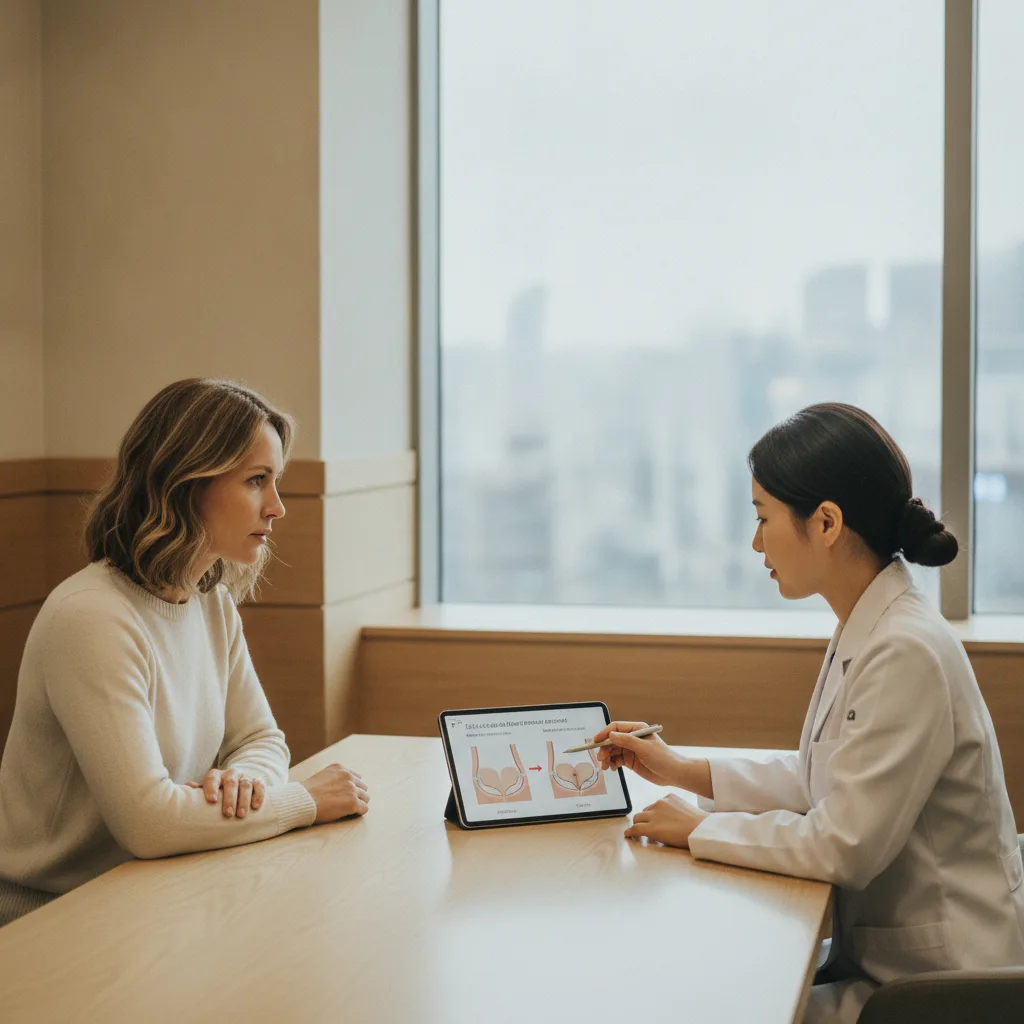
BREAST IMPLANT REMOVAL SEOUL 2026: EN BLOC VS CAPSULECTOMY VS EXPLANT
The three protocols Seoul surgeons use to take breast implants out, how they pick between them, and what each one costs and recovers like for foreign patients in 2026.
JUVEDERM VS RESTYLANE VS BELOTERO: SEOUL FILLER BRANDS 2026
The three Western HA filler families Seoul injectors actually stock, where each one wins on the face, and what foreign patients pay per syringe in 2026.
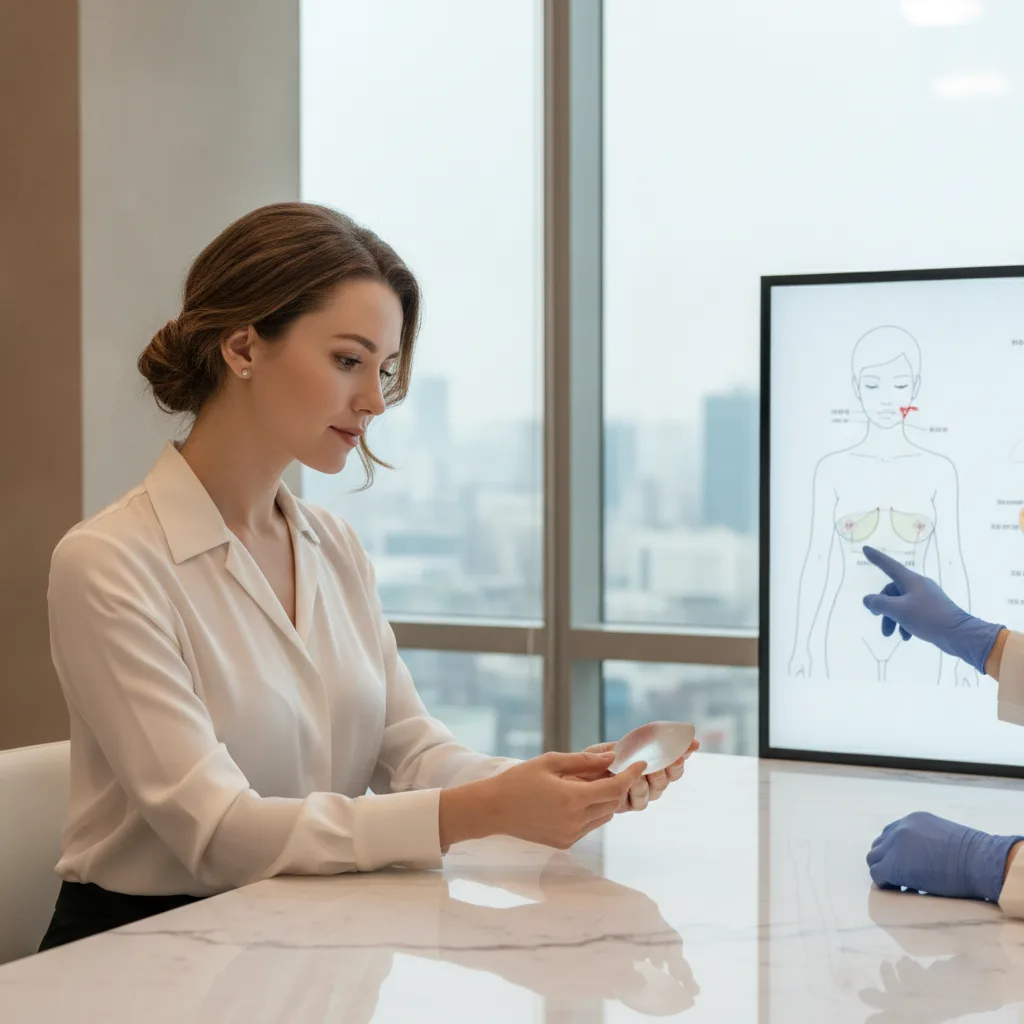
SUBGLANDULAR VS SUBMUSCULAR VS DUAL PLANE BREAST AUGMENTATION SEOUL 2026
The three pocket planes behind every Seoul boob job, how surgeons pick between them, and what each one means for recovery, feel, and ten-year results.
MINT PDO VS WONDERLIFT VS SILHOUETTE SOFT THREADS SEOUL 2026
The three thread brands Seoul clinics argue about, how surgeons actually pick between them, and what each costs for foreign patients in 2026.
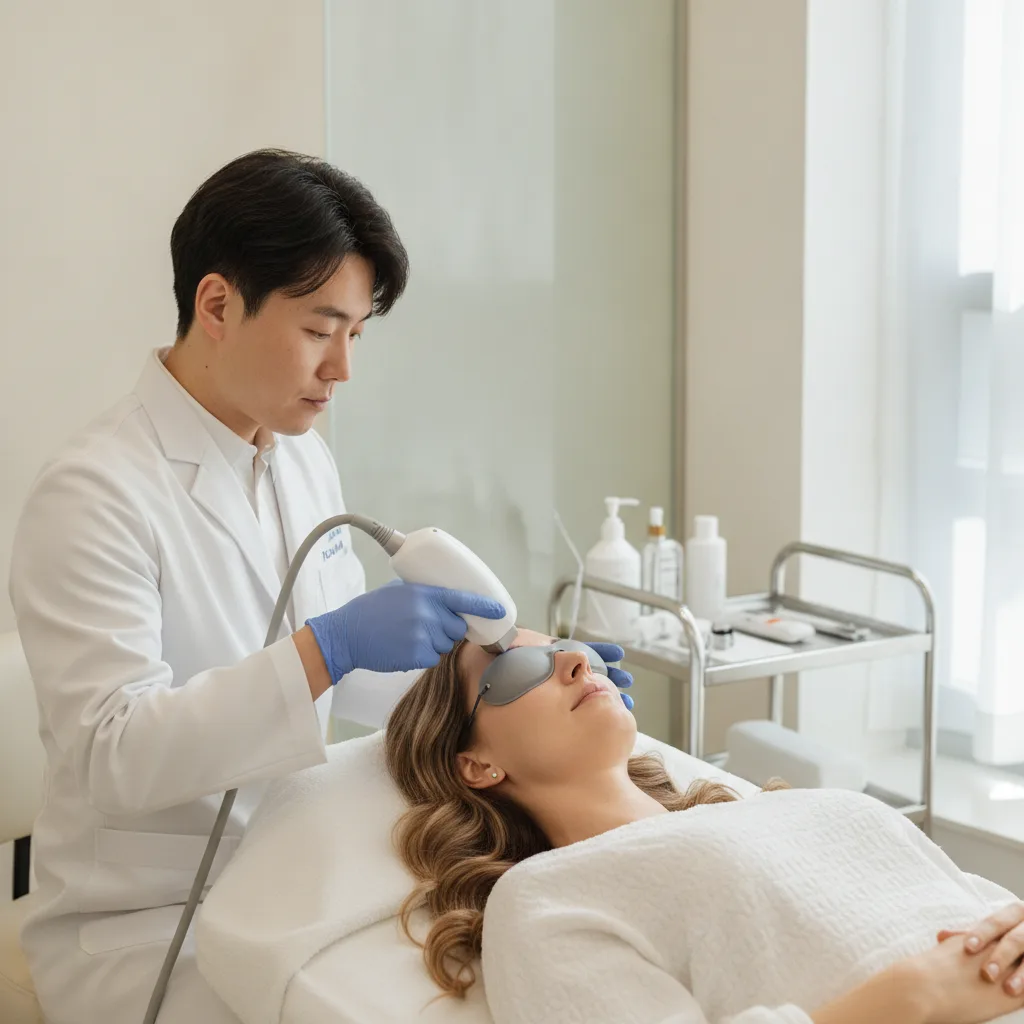
PICOSURE VS PICOWAY VS DISCOVERY PICO SEOUL 2026
Head-to-head on the three pico lasers Seoul clinics actually use for melasma, pigmentation, and tattoo removal, with real KRW price bands.
▶▶▶ stop reading. start matching.
FIND YOURS.
We'll pull five clinics matched to your case. WhatsApp reply within 24h.