FIRST-TIME THREAD LIFTING IN SEOUL: WHAT TO EXPECT IN 2026
A first-timer's guide to PDO and PCL thread lifts in Seoul: cost, consultation, downtime and what the recovery actually feels like.
By Editorial
Thread lifting is one of those treatments people book in Seoul because they cannot justify a facelift and are tired of what one more syringe of filler does to their face. A first-time thread lift is not painful, not glamorous, and not the drama the before/after reels suggest. This guide walks you through what a first consult in Gangnam actually covers, what the sensations feel like on the table, and what the two weeks after look like from a foreigner's schedule.
WHAT THREAD LIFTING ACTUALLY DOES
A thread lift places absorbable sutures under the skin, most commonly along the mid-cheek, jawline and neck, to reposition tissue that has drifted downward with age. In Seoul the two dominant material classes are PDO (polydioxanone) and PCL (polycaprolactone). PDO breaks down over roughly 6 to 8 months and stimulates a lighter collagen response. PCL is denser, holds longer, and is what most Gangnam clinics reach for when a first-timer wants visible lift on the jawline rather than just tightening. Mint threads, Wonderlift, Ultra V, Silhouette Soft and a handful of Korean-made PCL lines are the common menu items in 2026.
On the day of a consultation, a clinician marks anchor points on your face while you sit up in a mirror, then simulates the vector of pull with their fingers. This preview is usually more honest than the numbing. If lifting your cheek up half a centimeter does nothing for your reflection, threads are the wrong tool and you probably want Ultherapy or Shurink Universe for tightening, or filler for volume. A good Seoul clinician will tell you this in the first five minutes. A sales-heavy clinic will not.
BOOKING YOUR FIRST CONSULTATION IN GANGNAM OR APGUJEONG
Most first-timers book at a clinic in Gangnam, Apgujeong or Cheongdam because that is where the surgeons who do the higher volume of thread work sit. Apgujeong tends to run 15 to 30 percent more expensive than Sinnonhyeon or Seocho for the same brand of thread, but the consultations at premium clinics also tend to be more restrained about how many threads they push you toward. If you have not been through the Seoul consultation process before, read the first consultation walkthrough first so you know what documents to bring and what to say no to.
Bring a photo of yourself from roughly five to seven years ago if you have one. Not a filtered selfie, a proper daylight photo. Clinicians use it to identify the vectors where the face has descended. If English is a concern, book at a clinic with a coordinator on staff or read the guide on how translator services work at Seoul clinics so you can filter your shortlist. Ask for the exact thread brand, count and vector plan in writing before you agree to the treatment. First-timers who skip this step almost always get quoted more threads than they need on the day.
Expect the consultation to run 20 to 40 minutes. A typical first-timer plan for the jawline and lower cheeks in 2026 is 6 to 12 PCL threads, priced around ₩1,200,000 to ₩2,400,000 (roughly to ,800) at mid-tier Gangnam clinics, and ₩2,500,000 to ₩4,500,000 at Apgujeong premium tier. Do not accept a package that bundles filler, botox, skin boosters and threads on the first visit. Bundles are how first-timers end up paying triple and leaving with a face they did not plan for.
WHAT THE PROCEDURE ITSELF FEELS LIKE
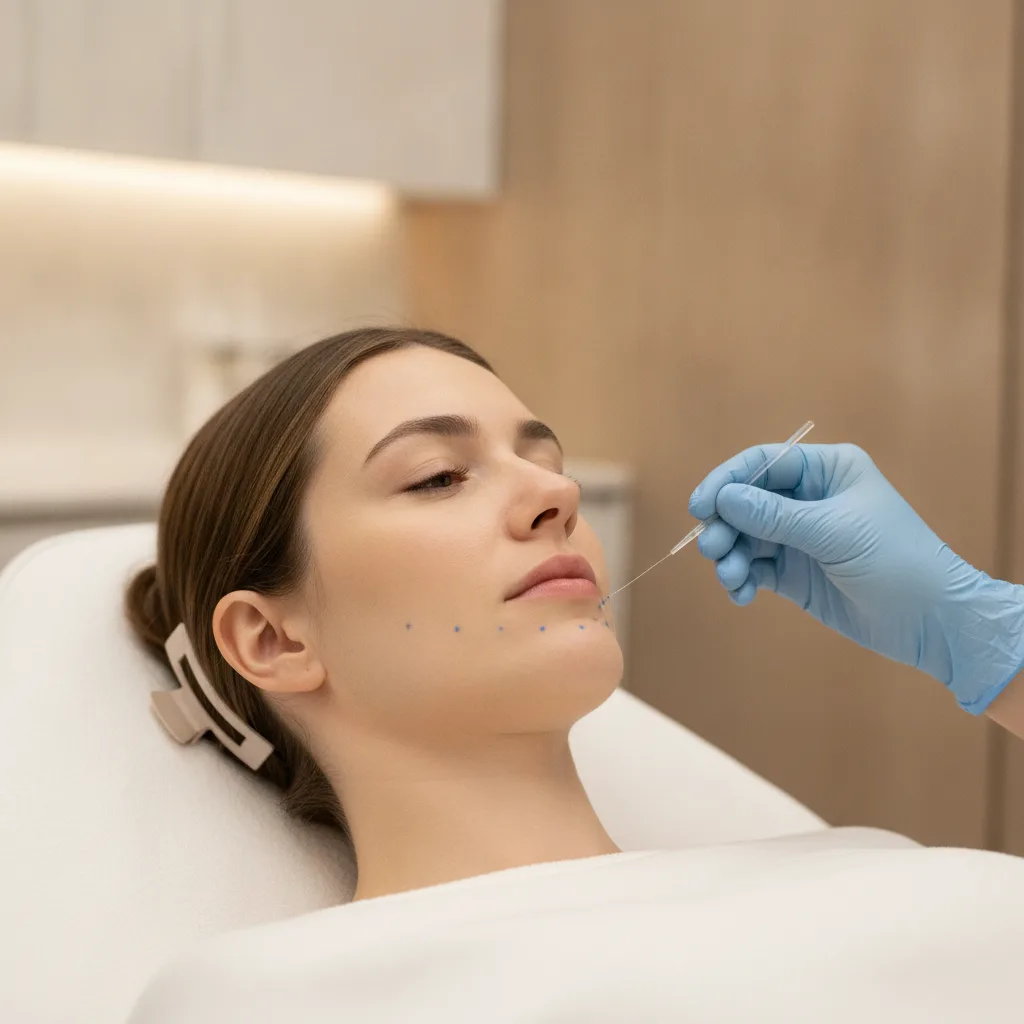
Numbing takes the longest part of the appointment. A topical anesthetic cream sits on the face for 20 to 30 minutes, then the clinician injects lidocaine along each thread vector. The lidocaine sting lasts about five seconds per point and is the sharpest sensation of the day. Once you are numb, the actual thread insertion feels like pressure and a pulling sensation moving under the skin. You will hear more than you feel. Most first-timers describe it as strange rather than painful.
A jawline session with 8 to 10 threads runs 30 to 45 minutes on the table. Cheek threads take longer because the vectors are longer and the tissue is heavier. The clinician will sit you up at least once mid-procedure to check symmetry. This is normal. If your clinic is placing threads without ever sitting you up, that is a red flag. When they finish, they cover the entry points with small round bandages, hand you an ice pack and let you rest for 10 minutes before you walk out.
- 01Numbing time: 20-30 min topical, then lidocaine at each entry point
- 02Table time: 30-45 min for jawline, 45-60 min for full lower face
- 03Pain during: pressure and pulling, no sharp pain once numb
- 04Immediately after: mild swelling, entry-point bruising, tight sensation when smiling
- 05Visible bandages: 2-6 small round dots along the temple and hairline for 24 hours
THE FIRST 14 DAYS AFTER
Days one and two are the ones that surprise first-timers. Your face will feel unusually tight when you smile, chew or yawn, and the muscles around the jaw will register a dull ache when you turn your head. This is the threads anchoring, not damage. Sleep on your back with two pillows for the first three nights and avoid any face-down positions, including facials, massages and heavy stretching. A soft food diet for 48 hours reduces the pulling sensation while chewing.
Bruising along the temple and jawline shows up on days two and three, peaks on day four, and fades by day 10 for most people. Some first-timers see visible skin puckering along the thread path in the first week. Do not panic. Puckering resolves on its own in 7 to 14 days as the surrounding tissue relaxes around the thread. If it is still there at three weeks, book a follow-up. For everything else about the post-procedure window, the general injectables aftercare timeline applies here, especially the no-alcohol, no-gym, no-sauna rules for the first 72 hours.
HOW SOON CAN YOU FLY HOME?
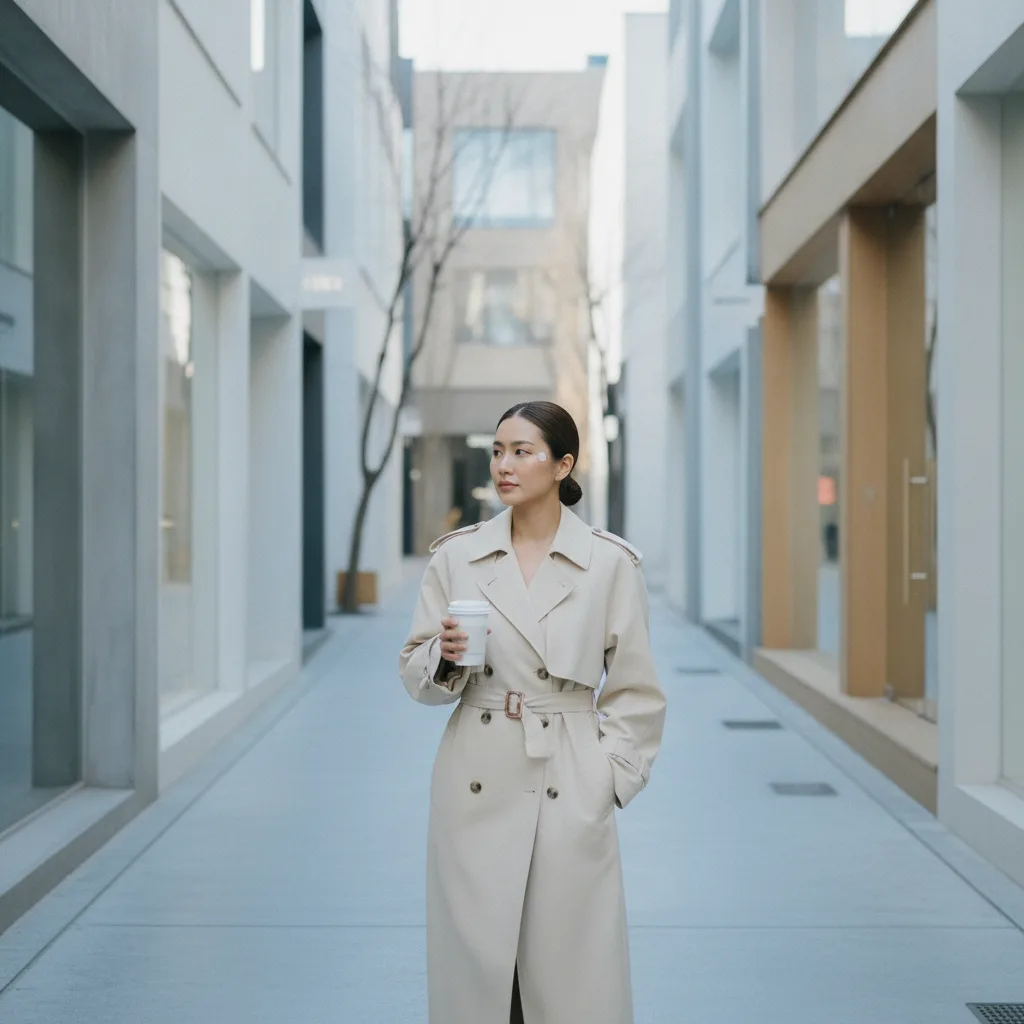
Thread lifts are one of the more flight-friendly aesthetic treatments in Seoul because there is no significant airway swelling or intracranial pressure risk. Most clinics clear first-timers to fly 48 to 72 hours after the procedure. Cabin pressure will not damage the threads. What it does do is dry out the skin around fresh entry points, which slows healing and increases the chance of small scab formation. If you can hold the trip for four to five days, do it. If you cannot, the flying-home recovery guide covers hydration, mask hygiene and what to do about swelling on the plane.
The first real result shows up around week three, when swelling has fully resolved and the collagen response begins to hold the lift. Peak result lands at month two to three. PDO threads soften back toward baseline around month six to eight. PCL threads hold visible lift for 12 to 18 months in most first-timers, with residual collagen benefit lingering past that. Plan your next appointment before you leave Seoul if you know you want to maintain, because the same clinician doing your top-up is meaningfully better than starting over with a stranger.
WHEN THREADS ARE THE WRONG CHOICE
Threads are for skin that has descended but still has reasonable elasticity. If your primary concern is loose crepey skin without downward drift, threads will disappoint you and a tightening protocol like Ultherapy or Thermage will do more. If you are under 30 and the goal is a sharper contour rather than lifting sag, masseter botox and jawline filler usually get you there for less money and less recovery. First-timers over 55 with heavy jowls and significant volume loss often need a combination approach, and a Seoul clinician who is honest about this is worth the premium tier price.
The most common first-timer regret is not the threads themselves but the add-ons. A jawline result softened by an aggressive round of filler on the same day is a common story. Book threads alone the first time. Give the result three weeks to settle. Then decide whether you want to layer anything else on top.
First-timer · 8 min · Jul 4, 2026
← all posts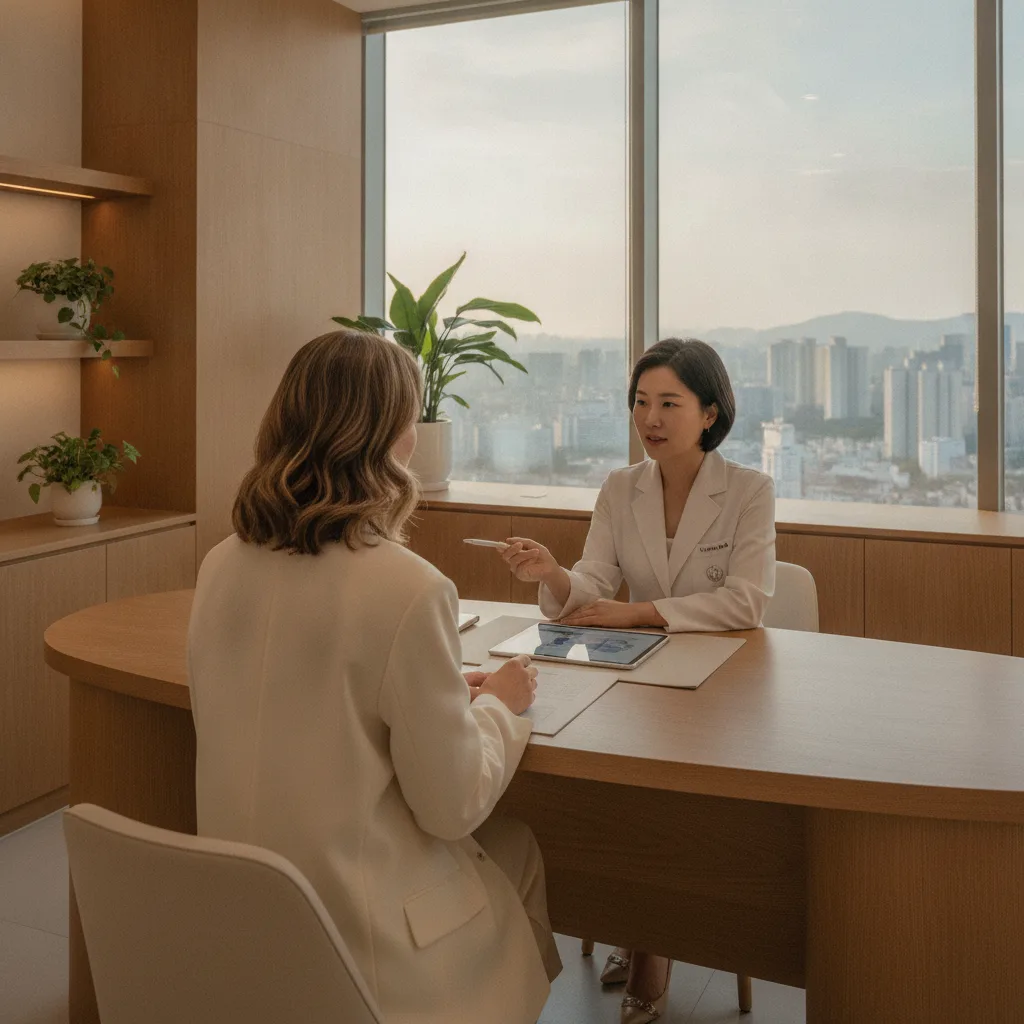
OCEAN CLINIC GANGNAM REVIEW: IS IT WORTH IT IN 2026?
An honest reviewer's take on Ocean Clinic Gangnam in 2026, with real KRW prices, English-support notes, and how it stacks against neighbors.
FIRST-TIME RHINOPLASTY IN SEOUL 2026: WHAT TO KNOW BEFORE YOU FLY
A first-timer's guide to booking, consulting, and recovering from primary rhinoplasty in Seoul, from cast day to splint removal.
FIRST-TIME HAIR TRANSPLANT IN SEOUL: 2026 FUE & DHI GUIDE
What to expect on your first hair transplant trip to Seoul, from consultation to flight home.
FIRST-TIME TWO-JAW SURGERY IN SEOUL: WHAT TO EXPECT (2026)
Two-jaw surgery in Seoul, first-timer edition: CT scans, three-day hospital stay, banding, and the six-month bite reset.

FIRST-TIME BREAST AUGMENTATION IN SEOUL: WHAT TO EXPECT (2026)
A first-timer's walkthrough of breast augmentation in Seoul in 2026: consultation, implant choices, hospital stay, recovery timeline, and the exact fees to expect.
▶▶▶ stop reading. start matching.
FIND YOURS.
We'll pull five clinics matched to your case. WhatsApp reply within 24h.