ROSACEA AND FACIAL REDNESS TREATMENTS IN SEOUL (2026 GUIDE)
What actually works for redness, flushing, and visible vessels at Korean dermatology clinics, from vascular lasers to prescription protocols.
By Editorial
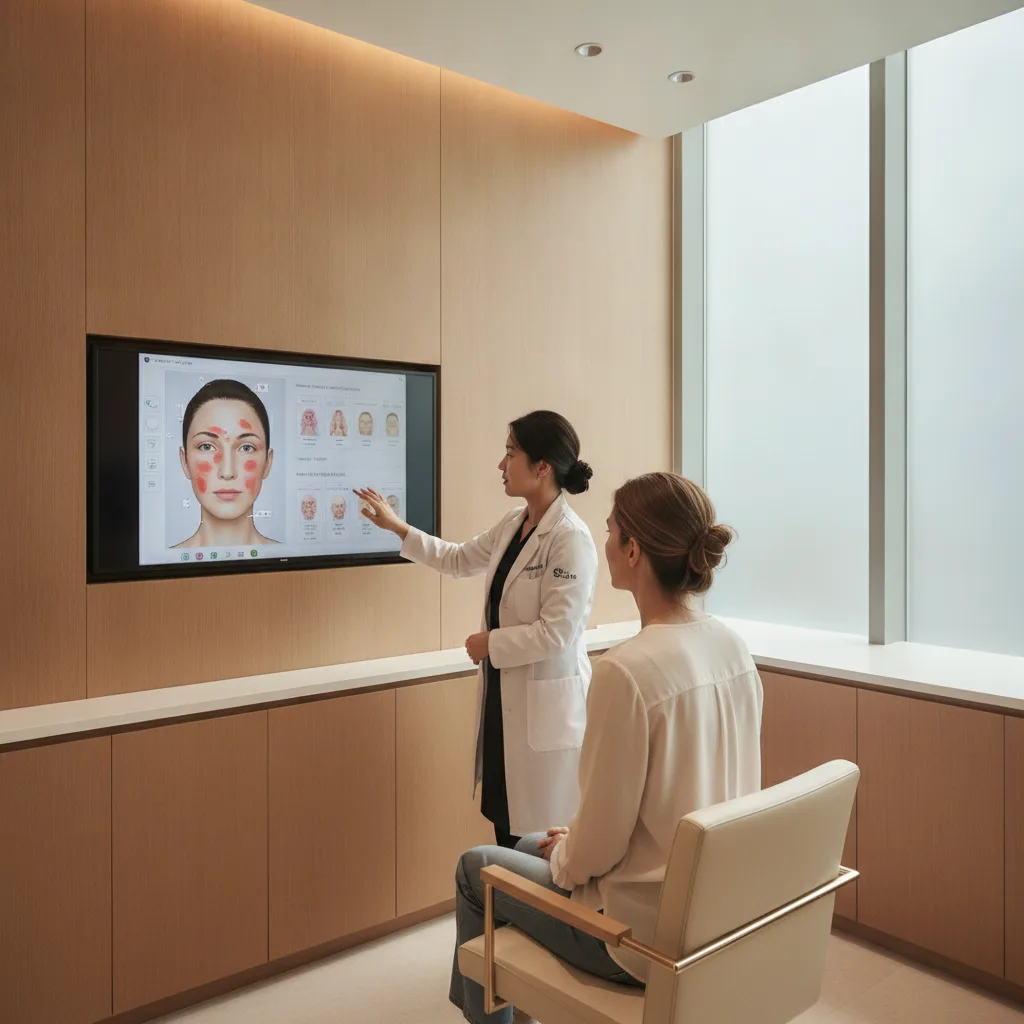
Redness is one of the trickier things to fix in aesthetic medicine, and Seoul has quietly become a very good place to fix it. Korean dermatology clinics run rosacea and vascular concerns through a specific ladder of treatments that is more standardised than what most travellers see at home. This guide walks through what that ladder actually looks like in 2026, what each rung costs, and how to avoid the two or three traps that catch first-time visitors.
WHY SEOUL HANDLES REDNESS DIFFERENTLY
Korean derms see a lot of reactive, thin-barrier skin because the local beauty culture leans heavily on acids, actives, and layered routines. That volume shows up in the treatment menus. A mid-tier Gangnam clinic will typically carry Excel V, Vbeam Perfecta, long-pulse Nd:YAG, IPL (Lumecca, M22, or Cellec V), and 1064 pico toning under one roof, and the staff know which one to reach for based on whether you show diffuse flushing, telangiectasia, or papulopustular flare-ups. That range of hardware is unusual outside major dermatology hubs.
The second difference is protocol density. Rather than one heroic session, Seoul clinics tend to run shorter, gentler treatments spaced two to four weeks apart, paired with an at-home barrier-repair routine. It looks slower on paper but the finished result on sensitive skin is usually calmer and less prone to rebound flushing than a single aggressive session. If you have been reading our Melasma Seoul guide, the same ladder philosophy applies here.
The catch is that you have to commit to a series. Flying in for one Vbeam session and expecting to leave rosacea-free is a common misread. Plan a minimum of two visits, or a longer trip, if you want to see the full result of a vascular course.
WHAT ACTUALLY WORKS: THE TREATMENT LADDER
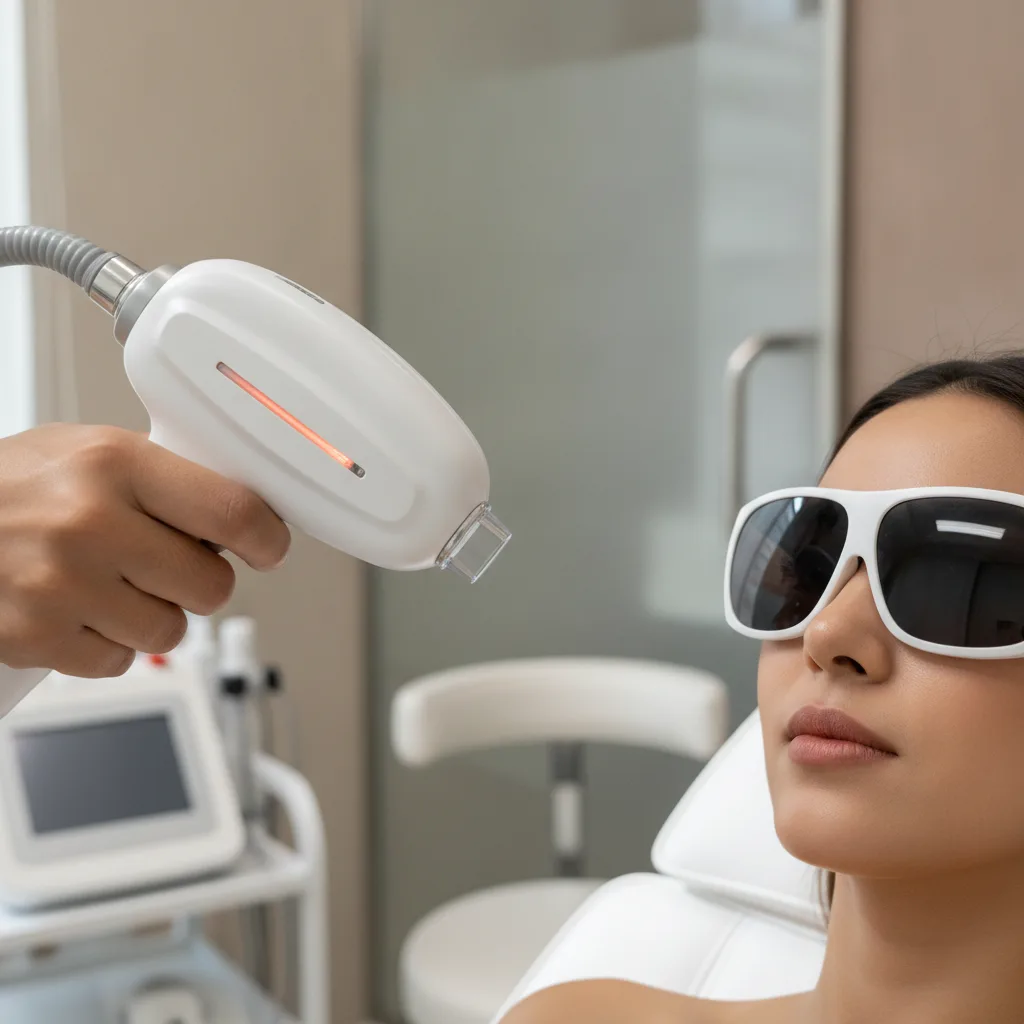
Most Seoul dermatologists will slot you into one of three tiers based on what your redness is doing. Diffuse background redness with no visible vessels tends to go to IPL or 1064 pico toning. Telangiectasia and larger visible vessels get pulsed-dye (Vbeam Perfecta) or KTP-based Excel V. Papulopustular rosacea, the kind with active bumps and pustules, usually gets a combination of low-energy vascular laser plus a short oral course, typically doxycycline or ivermectin cream.
Prices in mid-2026 sit in a reasonably narrow band across the Gangnam and Apgujeong dermatology strip. Single-pass Vbeam Perfecta runs around ₩250,000 to ₩450,000 (about $180 to $325) for a full face, depending on clinic tier and spot size. Excel V is priced similarly. IPL sessions using Lumecca or M22 come in slightly cheaper, around ₩180,000 to ₩350,000 ($130 to $255). Pico toning for diffuse redness is often bundled into a monthly package at around ₩150,000 per session when purchased in a course of five.
For active papulopustular rosacea, expect the clinic to add a prescription. A one-month course of oral doxycycline runs around ₩30,000 to ₩60,000 out of pocket. Topical ivermectin (Soolantra generic) is around ₩45,000 for a tube. Neither requires a separate specialist visit if the derm has already assessed you.
HOW THE FIRST CONSULTATION USUALLY RUNS
A standard first visit at a redness-focused Gangnam clinic takes about 60 to 75 minutes. You will typically get a VISIA or Janus skin analysis first, which photographs your face under polarised and UV light so the doctor can see subclinical vessels and pigment you cannot see with the naked eye. That imaging is where the treatment plan is actually built. Ask for a copy of your baseline scan. Reputable clinics will send it to you by email or KakaoTalk without hesitation, and you will want it for comparison after the second session.
The doctor's part of the consultation is usually short, ten to fifteen minutes, because Korean derms tend to run high-volume schedules. Come with a written list: how long you have had rosacea, what triggers it, what topicals you have already tried, and whether you have used isotretinoin in the last twelve months (that changes what lasers are safe). Being organised shortens the visit and gets you a more precise plan. Our first consultation guide covers this prep in more detail.
Translation is rarely an issue at the larger Apgujeong and Cheongdam clinics, most of which have a foreign patient coordinator on staff. Smaller boutique clinics further out may only have Papago as a fallback. If English-language consultation matters to you, the translator services guide lays out which clinics staff native English speakers versus which route through a coordinator.
- 01Bring a redness diary. Two weeks of trigger notes (foods, weather, skincare) helps the derm dial in a plan
- 02Come off retinoids and acids for 5 to 7 days before any vascular laser session
- 03Skip alcohol for 48 hours before treatment. It amplifies flushing during the pass
- 04Book morning appointments. Post-treatment redness fades over 4 to 8 hours, so an early slot lets you resettle before dinner
- 05Bring mineral SPF, not chemical. Post-laser skin dislikes chemical filters for the first 72 hours
WHAT RESULTS LOOK LIKE AFTER THE FIRST COURSE
For visible vessels, a single well-targeted Vbeam or Excel V session typically clears 40 to 60 percent of the vascular map in the treated area. A second session at four weeks usually takes that to 80 percent or better. Diffuse background redness is slower. IPL and pico toning courses tend to show meaningful change around session three, with the full result visible after five to six sessions. This is why Seoul derms sell packages: the biology genuinely rewards the series.
Downtime is short but real. Vbeam causes purpuric bruising in some patients, small dark spots that resolve over seven to ten days. That is normal, not a complication, but you do not want it on the day of your flight home. Excel V and IPL leave the skin pink for three to six hours and then largely settle. Pico toning has essentially zero downtime. Plan your travel around the specific laser your derm has picked, not a generic assumption. The flying home guide breaks down which treatments are safe to fly the next day and which need a buffer.
Maintenance is where the plan diverges from a one-off treatment. Most patients need a top-up session every 6 to 12 months for vessels, and a monthly at-home routine with barrier repair ingredients (centella, panthenol, ceramides) to keep diffuse redness from creeping back. Skipping the maintenance is the single biggest reason people say their Seoul results did not last.
WHAT A REALISTIC SEOUL ROSACEA TRIP ACTUALLY COSTS
For a first-timer flying in specifically to treat visible vessels and moderate background redness, budget around $650 to $1,100 in clinic fees across two visits three to four weeks apart. That covers a Vbeam or Excel V session, one IPL or pico toning pass, a follow-up review, and one topical prescription. Realistically you will also want an at-home barrier serum, which most clinics sell for ₩60,000 to ₩120,000 a bottle, though you can buy the same ingredients at Olive Young for a third of the price. Cross-reference against the hidden costs guide so you catch any add-ons before you sign.
If you can only fit one visit, tell the doctor that up front. A one-shot plan looks different from a series plan. The derm will typically pick the treatment with the strongest single-session return (usually Vbeam for vessels, IPL for background), rather than the treatment that pays off best over six weeks. You will get less total improvement than a full course, but you will get something visible rather than nothing.
Concerns · 8 min · Jul 10, 2026
← all posts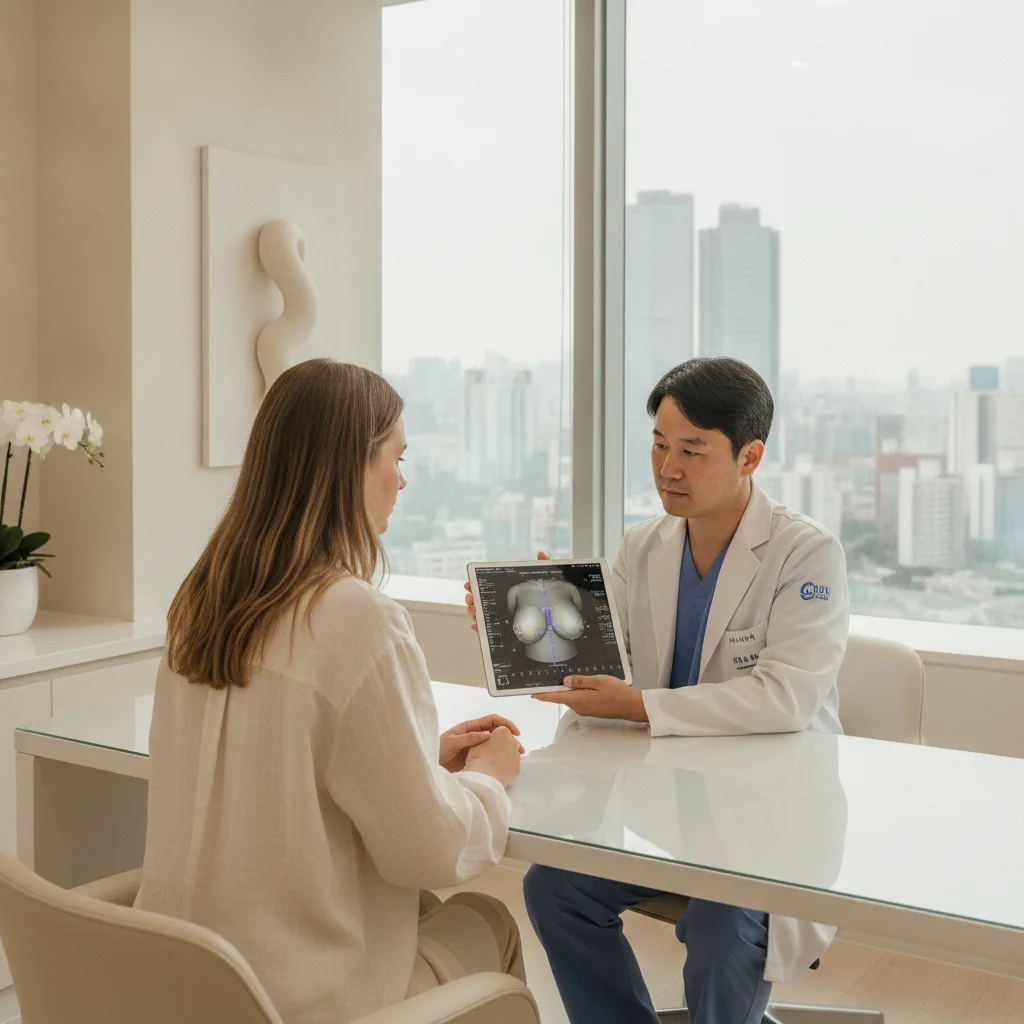
BREAST AUGMENTATION RISKS IN SEOUL 2026: A SAFETY GUIDE
Capsular contracture, rupture, hematoma, and the red flags to catch before booking a Seoul clinic.
TWO-JAW SURGERY RISKS IN SEOUL 2026: WHAT TO KNOW BEFORE BOOKING
A candid look at nerve injury, occlusion problems, airway swelling, and revision odds for international patients considering orthognathic surgery in Korea.
BUNNY LINES BOTOX IN SEOUL 2026: NOSE WRINKLE FIX GUIDE
Small dose, big difference. What bunny lines Botox costs in Seoul, which brand to pick, and how to avoid a frozen nose.
LIPOSUCTION RISKS IN SEOUL 2026: RED FLAGS TO AVOID
The real complications from Seoul lipo, the clinic red flags that predict them, and how medical tourists reduce their odds.
HAND REJUVENATION IN SEOUL 2026: AGE SPOTS, VOLUME & VEINS
Non-surgical hand rejuvenation in Seoul: pico toning for age spots, Radiesse and Profhilo for volume loss, sclerotherapy for veins, and honest 2026 pricing.
▶▶▶ stop reading. start matching.
FIND YOURS.
We'll pull five clinics matched to your case. WhatsApp reply within 24h.