FIRST-TIME TWO-JAW SURGERY IN SEOUL: WHAT TO EXPECT (2026)
Two-jaw surgery in Seoul, first-timer edition: CT scans, three-day hospital stay, banding, and the six-month bite reset.
By Editorial
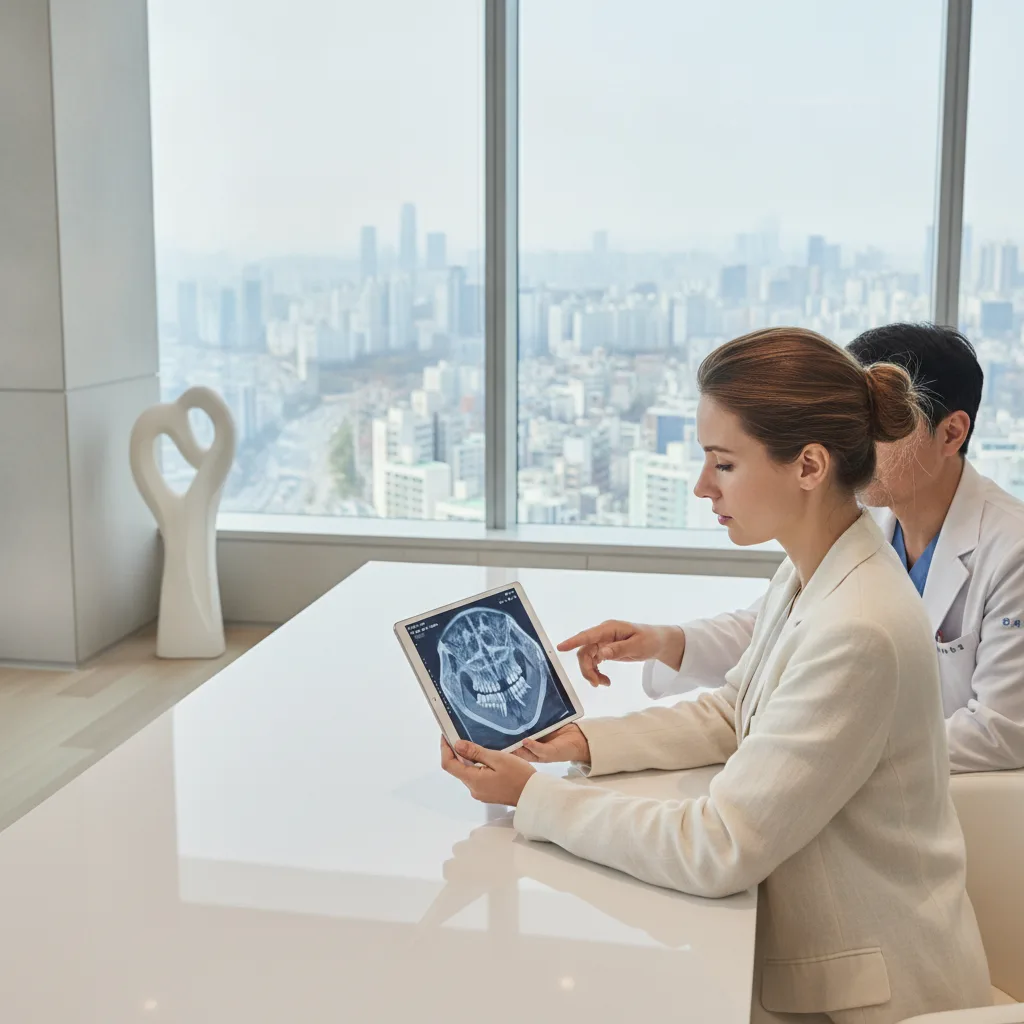
For overseas patients booking their first two-jaw surgery in Seoul, the surprise is rarely the operation itself. It is the paperwork, the CT scans, the hospital stay, and the fact that your face does not look normal until roughly month three. This walkthrough runs from the pre-flight consult to the six-month bite reset, with the numbers and timings Gangnam and Apgujeong clinics quote right now.
BEFORE YOU FLY: CONSULTS, RECORDS, IMAGING
Two-jaw candidates almost never book cold. Most Seoul practices require a virtual consult with high-resolution photos and any prior orthodontic records before quoting a firm plan. Bring dental panoramic X-rays and cephalometric films if you already have them, since Korean surgeons still take fresh CT scans on arrival but old records help confirm your case is genuine bimaxillary and not a rhinoplasty or contouring problem in disguise.
Expect to send front, three-quarter, side, and open-mouth photos with a scale reference. Serious clinics like Wonjin Plastic Surgery in Gangnam and Saero Plastic Surgery run a translator on the virtual call. Written surgical proposals should list the movement plan in millimeters, the plate hardware brand, hospitalization nights, and revision policy in writing. A quote that arrives as one flat number with no breakdown is a red flag, not a discount.
Two-jaw is one of the few Korean cosmetic procedures where orthodontics matter. Around 60 to 70 percent of international two-jaw patients need pre-op braces for six to eighteen months before surgery. If your bite already lines up, you may qualify for surgery-first protocols where braces come after. Book the imaging appointment and the surgery date at least six weeks apart on the same trip only if the clinic explicitly offers a surgery-first workflow. The complete Seoul two-jaw guide covers the full pre-op workup.
DAY 0 TO DAY 3: THE HOSPITAL STAY
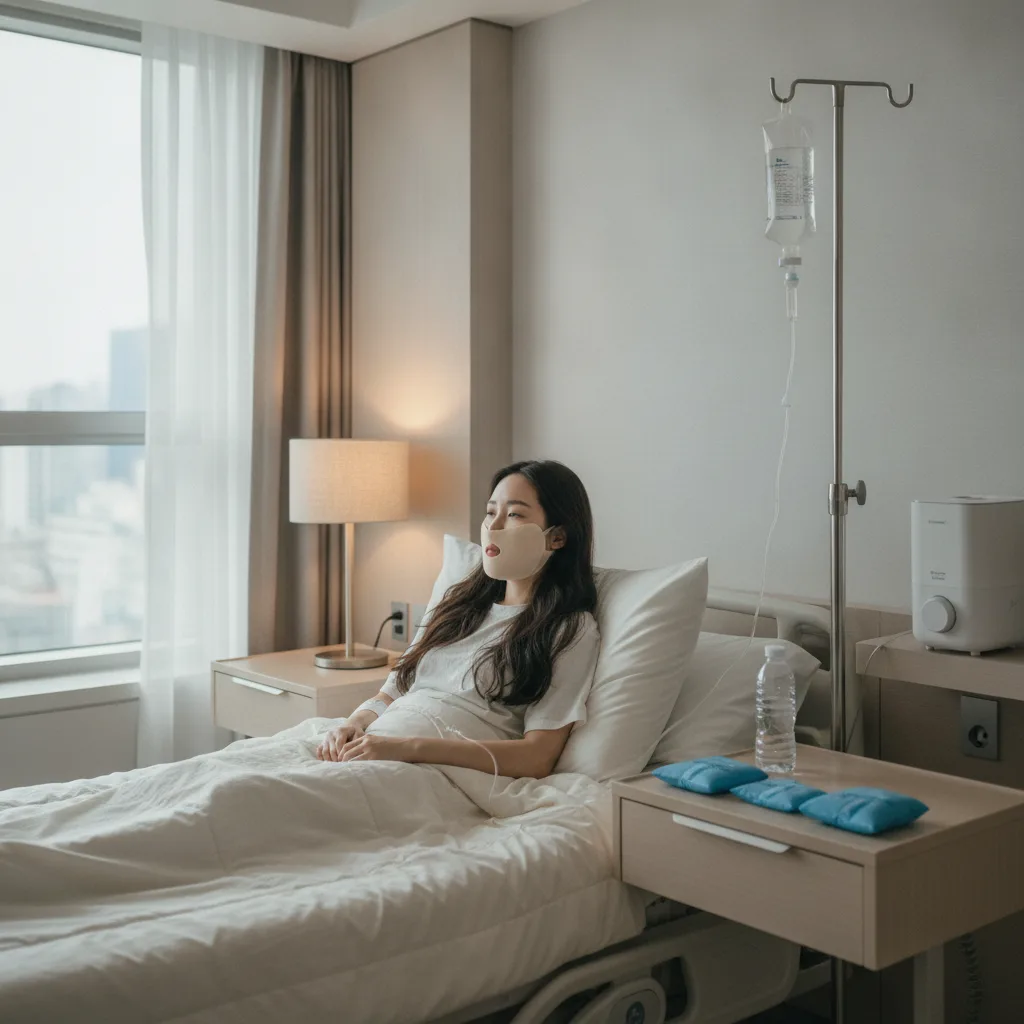
Seoul two-jaw is done under general anesthesia and lasts three to five hours. You wake in a recovery room and transfer to a private room for two to three nights. Nose breathing is difficult for the first 24 hours because internal swelling narrows the airway, so most centers set up humidifiers and semi-upright bed positions. IV pain control runs for the first two days, and most patients rate pain around 3 to 4 out of 10 by day two, more pressure than sharp pain.
You will not chew. All calories come through syringes or straws: protein shakes, blended congee, isotonic drinks, sometimes a nasogastric tube for day one only. Ice packs cycle 20 minutes on, 20 minutes off. Pack lip balm, wet wipes, a phone charger, button-up shirts, and slip-on shoes because bending forward or lifting overhead is off the table for two weeks.
Nursing at Saero Plastic Surgery and Wonjin runs 24-hour bilingual coverage for foreign patients. Discharge is typically day three or four with a follow-up scheduled for day seven for suture check and imaging. Do not book activities before day 10, and do not book your flight home before day 14.
WEEK ONE AND TWO: SWELLING, BRUISING, AND ELASTIC BANDING
Peak swelling hits around day three to five, not immediately after surgery. Your face will feel tight, numb across the lower cheeks and chin, and you may not recognize yourself in the mirror. This is normal and resolves in a predictable curve.
Elastic banding starts around day 7 to 10. You wear inter-arch elastics that pull your bite into the new occlusion 22 hours a day, removing them only to eat blended food and brush teeth. Skipped banding sessions shift teeth away from the planned bite and add months to recovery. Sleep upright on two pillows for the first two weeks to reduce facial pooling.
Numbness in the chin and lower lip is expected and can last two to six months while the mental nerve heals. Full sensation returns for most patients by month six, though 5 to 10 percent report permanent minor patches. Track daily changes in a phone photo diary; slow week-to-week progress is easier to see than day-to-day.
MONTH ONE TO THREE: LOOKING HUMAN AGAIN
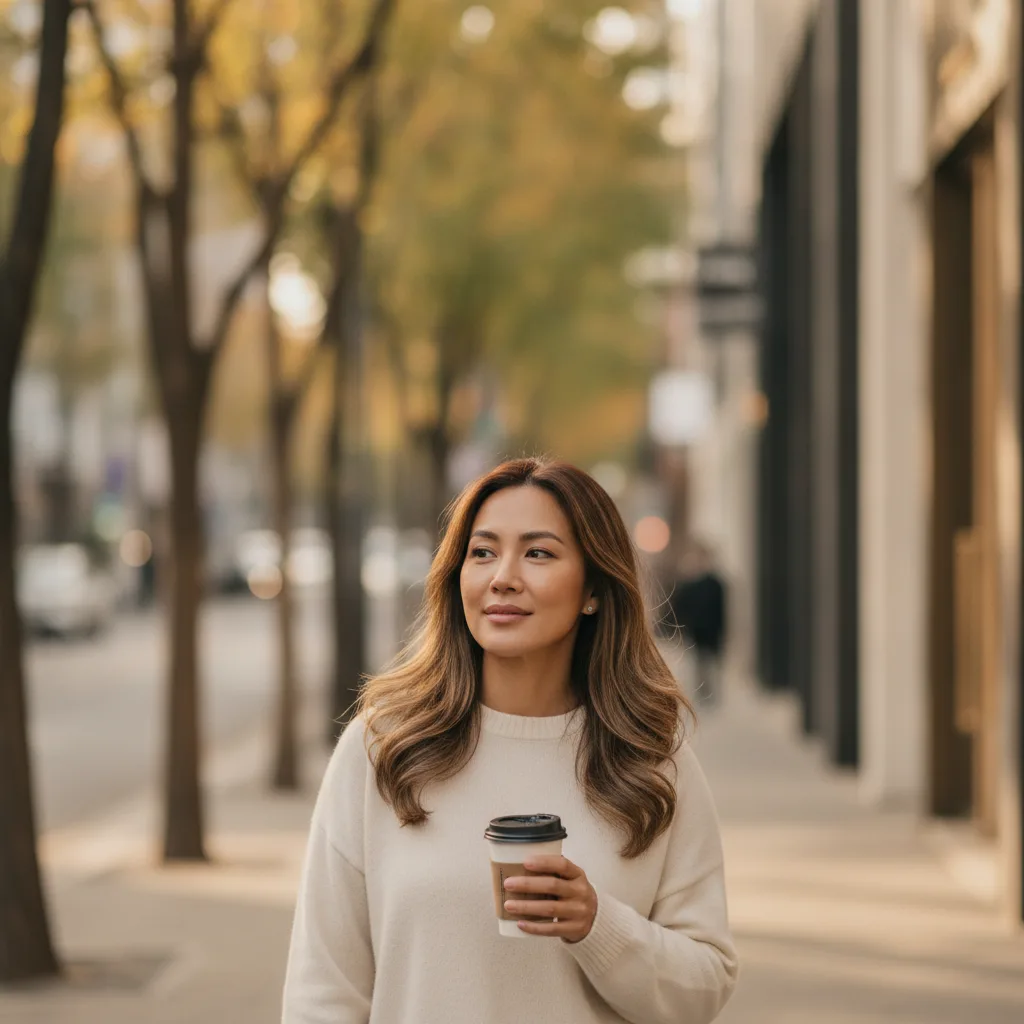
By week four, roughly 60 percent of the visible swelling is gone and you can eat soft solids like scrambled eggs, mashed potatoes, and soft fish. Speech clarity returns as tongue swelling resolves. Elastics reduce to nighttime only around week six for most protocols. Flying home is safe from day 14, though many patients extend to day 21 for the second suture-out and imaging follow-up.
Month three is the visual reveal window. Residual swelling in the cheeks and neck softens, chin projection settles, and profile photos start to match the surgical simulation. This is when most patients feel comfortable returning to work in person and posting to social media, though final bone and tissue settling continues for another nine months.
Post-op orthodontics start around month one to three depending on protocol. Your Seoul surgeon coordinates with your home orthodontist, and Wonjin's translator program handles hand-off documentation in English. Review the full two-jaw cost breakdown if you are budgeting the post-op orthodontic tail, which many first-timers underestimate.
MONTH SIX TO TWELVE: THE BITE RESET
The bite reaches its final resting position between month six and twelve. Bone remodeling around the fixation plates finishes, gum contours settle, and nerve sensation stabilizes. Any lingering asymmetry that is going to be visible has usually declared itself by month nine.
Revision rates in Seoul run around 2 to 4 percent at experienced centers, most commonly a small chin genioplasty adjustment or plate removal if the hardware causes cold sensitivity. Onlif Plastic Surgery in Seocho and Saero both quote plate removal as a separate secondary procedure at roughly ₩1.5 to ₩3 million if elected. Read the risks guide before signing consent for any secondary work.
COST, CLINICS, AND WHAT TO ASK
Two-jaw pricing in Seoul for foreign patients typically runs ₩17,000,000 to ₩28,000,000 (roughly $12,800 to $21,300) all in, including hospital stay and pre-op CT. The package price should itemize plate hardware, anesthesia type, hospitalization nights, revision window, and translator fees. Saero Plastic Surgery in Gangnam anchors the mid-to-upper tier with a 24-year track record and ISAPS/ASPS credentials. Wonjin Plastic Surgery runs the largest translator program in Korea for two-jaw cases. Onlif Plastic Surgery in Seocho fills the boutique-mid tier.
Ask every clinic these five things before deposit: exact plate brand, whether the surgeon operates alone or with an assistant, revision policy in writing, how many two-jaw cases the lead surgeon performed last year, and what happens if you need urgent care after flying home. Silence or evasive answers on any of these five is the exit sign.
- 01Phone charger with a Korean plug adapter
- 02Button-up shirts and slip-on shoes for two weeks
- 03Lip balm, wet wipes, and a soft-bristle toothbrush
- 04Blender-friendly protein powder and electrolyte packets
- 05Notebook or app for tracking daily swelling photos
- 06Passport, insurance, and a printed copy of your surgical plan
On a ₩17 million to ₩28 million booking, the gap between a verbal quote and a written one is where most patient regret lives. Walk the clinic through the 15-question consultation checklist and get the written proposal to carry plate brand, millimeter movement plan, hospitalization nights, revision window, and emergency-care terms as five separate lines rather than one bundled package number. Clinics that resist writing the lines are the ones you ruled out at the five-question test earlier in this guide.
HOW LONG IS THE TOTAL TRIP FOR TWO-JAW SURGERY IN SEOUL?
Plan 16 to 21 days on the ground for a standard case: two days for imaging and consent, three to four nights of hospitalization, a day-7 suture check, and a day-14 to day-21 follow-up before flying home. Surgery-first workflows can compress this to 14 days for qualified cases.
CAN I FLY HOME AFTER 7 DAYS?
Technically yes, but almost no Seoul surgeon recommends it. Cabin pressure and prolonged sitting worsen swelling and bruising, and the day-14 suture check catches early infections. Day 14 is the accepted floor.
DO I NEED TO SPEAK KOREAN FOR TWO-JAW SURGERY?
No. Major surgical centers including Wonjin, Saero, and ID Clinic Gangnam run in-house translator programs in English, Mandarin, and Japanese. Bring medical records in English and confirm the translator is present for pre-op consent, not only the initial consult.
HOW MUCH OF THE COST IS ORTHODONTICS?
Pre-op and post-op braces are billed separately and are almost always done at your home orthodontist, not in Seoul. Budget an additional $3,000 to $8,000 over 18 to 24 months for orthodontic work. Only the surgical portion happens in Korea.
WHAT HAPPENS IF THE RESULT IS NOT WHAT I EXPECTED?
Reputable Seoul clinics offer a revision window ranging from six months to two years. Revision cases are more common for chin projection and asymmetry than for the primary jaw movement. Get the revision policy in writing before deposit and photograph every consultation.
First-timer · 9 min · Sep 8, 2026
← all posts
FORENA CLINIC HONGDAE REVIEW: WHAT 4,000+ PATIENTS SAY IN 2026
Reviewer-voice verdict on Forena Clinic Hongdae: real KRW pricing, Rejuran-anchored menu, trilingual support, and the patient-upsell patterns to watch for.
NBOM CLINIC HONGDAE REVIEW: HONEST 2026 PATIENT GUIDE
A reviewer-voice 2026 verdict on nBOM Clinic Hongdae, with real KRW pricing, English/Chinese/Japanese support notes, and what a visit actually feels like.
SEOUL CLINIC CONSULTATION CHECKLIST: 15 QUESTIONS TO ASK BEFORE YOU PAY A DEPOSIT (2026)
A deposit-blocking checklist of the exact device, dose, credentials, and aftercare questions every Seoul clinic should answer on the first consult.
LIENJANG HONGDAE REVIEW: HONEST 2026 GUIDE & WHAT TO EXPECT
What Lienjang Hongdae actually feels like for foreign patients: real prices, English and Chinese support, popular treatments, and whether it earns its 4.9 rating.
NEST SKIN CLINIC GANGNAM REVIEWS: HONEST 2026 GUIDE
Real KRW prices, native English support, and a reviewer-voice look at whether Nest Skin Clinic Gangnam is worth a flight.
▶▶▶ stop reading. start matching.
FIND YOURS.
We'll pull five clinics matched to your case. WhatsApp reply within 24h.