LIPOSUCTION SEOUL VS BANGKOK VS ISTANBUL: WHERE TO FLY IN 2026
A working comparison of liposuction 360 in Seoul, Bangkok, and Istanbul for international patients weighing cost, technique, safety, and recovery in 2026.
By Editorial
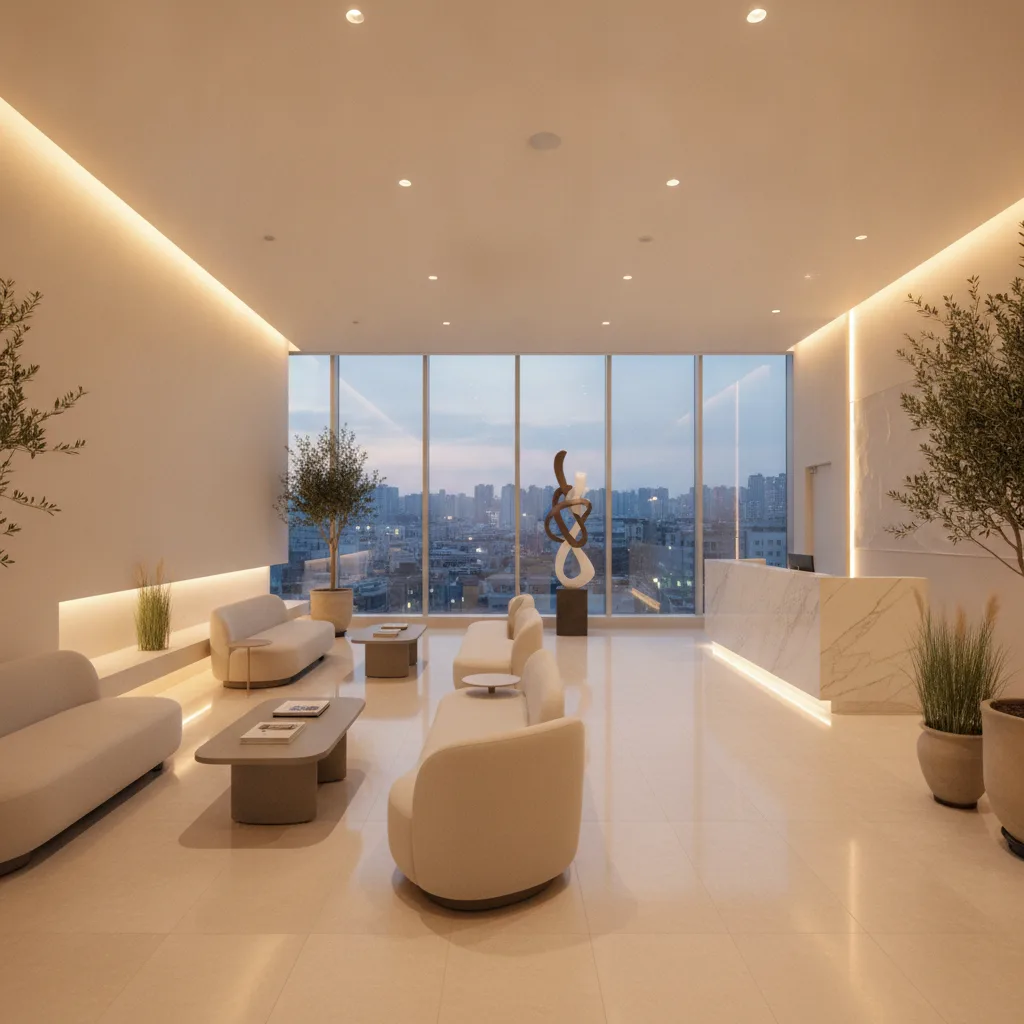
Liposuction has quietly become one of the most portable surgeries in the world. A tourist in Bangkok, a tech worker in Berlin, and a small-business owner in Toronto can all book essentially the same procedure in three different cities and pay wildly different prices. Seoul, Bangkok, and Istanbul dominate the international lipo market in 2026 for reasons that are not identical, and choosing between them is less about a single winner and more about matching the city to the case.
THE THREE MARKETS IN ONE PARAGRAPH
Seoul is the technique-and-finish market. Korean plastic surgery hospitals in Gangnam and Apgujeong built their reputation on high-detail contouring, aggressive fat harvesting for grafting, and post-op regimens designed to minimize fibrosis. Bangkok is the volume-and-value market, with JCI-accredited hospitals in Sukhumvit and Ratchathewi running lipo alongside broader medical tourism packages at roughly half of Seoul's headline rates. Istanbul is the price-leader market, driven by favorable exchange rates and a dense supply of surgeons doing high case volumes; the price gap versus Seoul on a simple lipo 360 can be 55 to 70 percent.
None of that is a value judgment. It is a positioning map. Seoul patients pay for finish and post-op discipline. Bangkok patients get international-standard hospitals with English-speaking coordinators at a middle price. Istanbul patients get the lowest cash outlay, at the cost of a longer flight home for most Western patients and a more variable clinic-quality spread. For readers already narrowing between Gangnam and elsewhere, our liposuction guide for Seoul covers the local landscape in more depth.
COST SIDE BY SIDE, 2026 PRICING
Prices below reflect what an international patient actually pays in-clinic in 2026 for full lipo 360 (abdomen, flanks, and back rolls) at a mid-to-upper tier facility, including anesthesia, one night of observation where applicable, and a standard compression garment. Exclude flights, hotel, and revision insurance.
- 01Seoul lipo 360 at a Gangnam or Apgujeong surgical hospital: KRW 8,500,000 to 14,000,000 (about USD 6,200 to 10,200) depending on surgeon tier and whether VASER or PAL is used.
- 02Bangkok lipo 360 at a JCI-accredited hospital in Sukhumvit: THB 180,000 to 320,000 (about USD 4,900 to 8,700), often bundled with hotel-and-transfer packages for medical tourists.
- 03Istanbul lipo 360 at an accredited private hospital in Sisli or Nisantasi: EUR 3,200 to 5,500 (about USD 3,500 to 6,000), typically all-inclusive with hotel and one follow-up.
The Seoul premium is real, but it is smaller than most first-timers expect once you add up what a Bangkok or Istanbul package leaves out: a second visit six to nine months later if you want a lymphatic-drainage regimen or micro-touch-up, and the cost of any revision if a Turkish clinic will not honor its own workmanship for foreign patients past 30 days. For pure cost breakdowns on Korean side, our breast augmentation cost breakdown uses the same accounting method and is a useful cross-reference for anyone budgeting several procedures at once.

TECHNIQUE DIFFERENCES THAT MATTER MORE THAN THE STICKER PRICE
Korean surgeons lean heavily on tumescent lipo with power-assisted cannulas, often paired with VASER ultrasound in fibrous zones like the upper abdomen and male chest. The stated goal at high-tier Seoul hospitals is a smoother subcutaneous plane and lower rates of the wavy skin surface that shows up 6 to 12 months post-op. Saero Plastic Surgery in Gangnam, one of the longer-established surgical clinics we track, has published its protocol of layered VASER followed by manual lymphatic massage for 10 days as part of the fee, which is a good example of the Seoul post-op orientation.
Bangkok clinics are technically comparable on the surgery itself. The difference is workflow. A Thai international-patient department will typically pre-book your PCR test, hotel, transfer, and translator, so the physical logistics are handled to a degree Seoul rarely matches at the mid tier. Istanbul is where the technique-versus-price question gets sharpest. Turkish surgeons at high-volume centers run six to ten lipo cases per day; that produces speed and confidence at the cost of longer waits for post-op questions once you fly home.
If you are stacking lipo with a related surgery, the technique gap widens further. Fat transfer to the breast or face, in particular, benefits from Korean fat-harvesting protocols that prioritize graft viability, which is why some of our readers who started shopping in Turkey ended up booking in Seoul once fat grafting entered the plan. Our overview of breast augmentation options in Seoul explains why the same fat harvest can power a breast-volume result that would otherwise require a second surgery.
RECOVERY, FOLLOW-UP, AND WHAT HAPPENS IF SOMETHING GOES WRONG?
The physical recovery from lipo 360 is broadly the same in all three cities: compression garment for 3 to 6 weeks, first shower at day 2 to 3, back to a desk job at day 7 to 10, gentle cardio at week 3, and final contour visible somewhere between month 4 and month 6. What differs is what your clinic does with those first 10 days. Seoul hospitals bundle 3 to 10 lymphatic-drainage sessions into the package. Bangkok bundles hotel and a nurse call line. Istanbul often bundles a single follow-up and a taxi to the airport.
Complication rates for lipo are low across all three markets, but the honest question is who owns the problem if a seroma, contour irregularity, or infection appears at week 4 when you are already back home. Korea's medical-tourism law makes designated foreigner clinics accountable for complications for a defined period, and larger Gangnam hospitals maintain relationships with international insurers who cover post-op complications. Thailand's JCI-accredited hospitals have similar frameworks. Istanbul is more variable; ask specifically for the clinic's written complication policy before you book, not after. If you want the risk side of the ledger in one place, our liposuction risks post breaks down what to watch for regardless of city.

HOW LONG SHOULD I STAY IN EACH CITY AFTER SURGERY?
Length of stay is the second-most-underestimated cost after revision. For pure lipo 360, plan 8 to 10 days in Seoul, 7 to 10 days in Bangkok, and 6 to 8 days in Istanbul. The Seoul figure is higher because clinics push for in-person lymphatic-drainage sessions and a 7 to 10 day skin check that most patients find valuable in hindsight. Bangkok is a strong option if you want to combine the trip with a beach recovery week on the Andaman coast. Istanbul is cheapest and shortest, but a 12 to 14 hour long-haul flight home to the US West Coast at day 7 puts you at the outer edge of DVT-safe timing.
WHICH CITY IS RIGHT FOR WHICH PATIENT?
Seoul is the answer if the case is technically demanding, if fat grafting is part of the plan, or if the patient values post-op finish and structured follow-up over headline price. It is also the pragmatic answer for patients already flying to Korea for skincare, dental, or another aesthetic procedure, since bundling avoids a second long-haul flight.
Bangkok is the answer if the patient wants JCI-standard hospital care, English-speaking coordination, and a milder Southeast Asian recovery climate at a moderate discount to Seoul. Istanbul is the answer if the cash cost is the binding constraint and the patient is European or based within a 4-hour flight, so the DVT and follow-up risks stay manageable.
IS KOREAN LIPOSUCTION ACTUALLY BETTER, OR IS IT JUST MORE EXPENSIVE?
On average technique quality across all clinics, the top decile in each city is close. The Seoul advantage shows up in the median: a random mid-tier Gangnam hospital tends to deliver a cleaner surface finish than a random mid-tier clinic in Sisli, because Korean regulatory pressure and consumer expectation force even the middle of the market up. If you can select carefully and vet a specific Turkish or Thai surgeon by portfolio and revision rate, the gap narrows sharply. If you cannot, Seoul remains the safer default at higher price.
CAN I GET FINANCING OR INSURANCE TO HELP?
Cosmetic liposuction is not covered by public or most private health insurance in any of the three countries. Korean hospitals occasionally accept US medical-credit cards like CareCredit through third-party processors; Bangkok hospitals often have relationships with medical-tourism financing companies; Turkish clinics are more likely to take direct card payment in EUR or USD with no financing option. Ask before you book. Some Seoul clinics will hold a slot with a 30 percent deposit that can be moved between procedures within the same visit, which is useful if the surgeon changes the plan at consultation.
- 01Seoul: pay for finish, post-op regimen, fat-grafting quality, and complication accountability.
- 02Bangkok: pay for JCI hospitals, international-patient logistics, and beach-week recovery weather.
- 03Istanbul: pay for the lowest cash outlay and a short flight if you live in Europe.
Comparisons · 9 min · Sep 4, 2026
← all posts
FUE VS DHI VS ROBOTIC HAIR TRANSPLANT SEOUL 2026
Head-to-head on graft survival, downtime, cost per graft, and which Seoul clinics actually run each platform in 2026.
BEST VALUE APGUJEONG RHINOPLASTY CLINICS 2026: 7 PICKS RANKED
A reviewer-ranked shortlist of seven Apgujeong plastic surgery clinics worth the premium postcode, with KRW price bands and what each room does well.
BREAST IMPLANT REMOVAL SEOUL 2026: EN BLOC VS CAPSULECTOMY VS EXPLANT
The three protocols Seoul surgeons use to take breast implants out, how they pick between them, and what each one costs and recovers like for foreign patients in 2026.
JUVEDERM VS RESTYLANE VS BELOTERO: SEOUL FILLER BRANDS 2026
The three Western HA filler families Seoul injectors actually stock, where each one wins on the face, and what foreign patients pay per syringe in 2026.
SUBGLANDULAR VS SUBMUSCULAR VS DUAL PLANE BREAST AUGMENTATION SEOUL 2026
The three pocket planes behind every Seoul boob job, how surgeons pick between them, and what each one means for recovery, feel, and ten-year results.
▶▶▶ stop reading. start matching.
FIND YOURS.
We'll pull five clinics matched to your case. WhatsApp reply within 24h.