Rhinoplasty in Seoul.
Also known as nose job · nose reshaping · septorhinoplasty · tip plasty · 코성형 in Korean
How much does Rhinoplasty cost in Seoul? From about $3,288 (₩4,400,000), across 99 English-friendly clinics with a published price. Starting prices, confirmed at consultation.
- 4.7 average Google rating across 23,200+ reviews
- 250+ travelers matched with clinics
- 4 verified partner clinics
- Starting price
- $3,288
- ₩4,400,000
- Clinics pricing it
- 2
- Prices checked September 21, 2026
The short answer
- 01Rhinoplasty reshapes the bone and cartilage of the nose to change its bridge, tip or nostrils, and it can fix breathing in the same operation.
- 02Most Seoul clinics quote only after a consultation; of the clinics on our list that publish a real price, the lowest starts at about $3,288 (₩4,400,000).
- 03Seoul surgeons do a great deal of building up low bridges, so a Western patient who wants a smaller nose should pick a surgeon who shows reduction work on noses like theirs.
- 04Stay at least until the splint comes off, which the NHS puts at about a week, and expect bruising for about three weeks.
- 05The catch: the shape takes up to a year to settle, and Cleveland Clinic says about 15% of people have a revision, so agree the revision terms before you pay.
At a glance
- Operation
- 1 to 3 hours
- Anesthesia
- Sleep sedation or general
- Splint
- About a week
- Bruising
- About 3 weeks
- Final shape
- Up to a year
- Time in Seoul
- A week or more
From our Seoul listings
Prices for Rhinoplasty in Seoul.
Worked out from the list prices 2 Seoul clinics publish. First visit offers, events and bundles are left out, and sizes listed by fewer than three clinics are hidden so one price cannot skew the picture.
Compare with your country
US price, for reference
Average surgeon's fee for rhinoplasty in ASPS statistics. Surgeon's fee only; anesthesia and the operating room cost extra at home. Seoul menus price this operation in many different ways, so we show the home figure for reference and work out no saving. Source: American Society of Plastic Surgeons, 2023 (published average).
Typical means the middle price. Home prices in pounds and Canadian dollars are converted at November 2026 rates from GOV.UK. Add flights and a hotel before you decide.
Usually in a Seoul quote
- The operation as planned at consultation, with the technique written on the quote
- The anesthesia named in the plan, sleep sedation or general
- The splint, dressings and stitch removal while you are in Seoul
- Follow up checks during your stay
Ask whether these are extra
- VAT (부가세), now that the refund for foreign patients has ended
- Pre surgery blood tests, an ECG or a CT scan
- Rib cartilage, donated cartilage or an implant, if the plan changes
- A night in the clinic or a recovery stay
- A revision, and travel back for one
Dollar amounts are approximate, at ₩1,338 = $1 (GOV.UK consular rate for November 2026).
99 clinics that do Rhinoplasty.

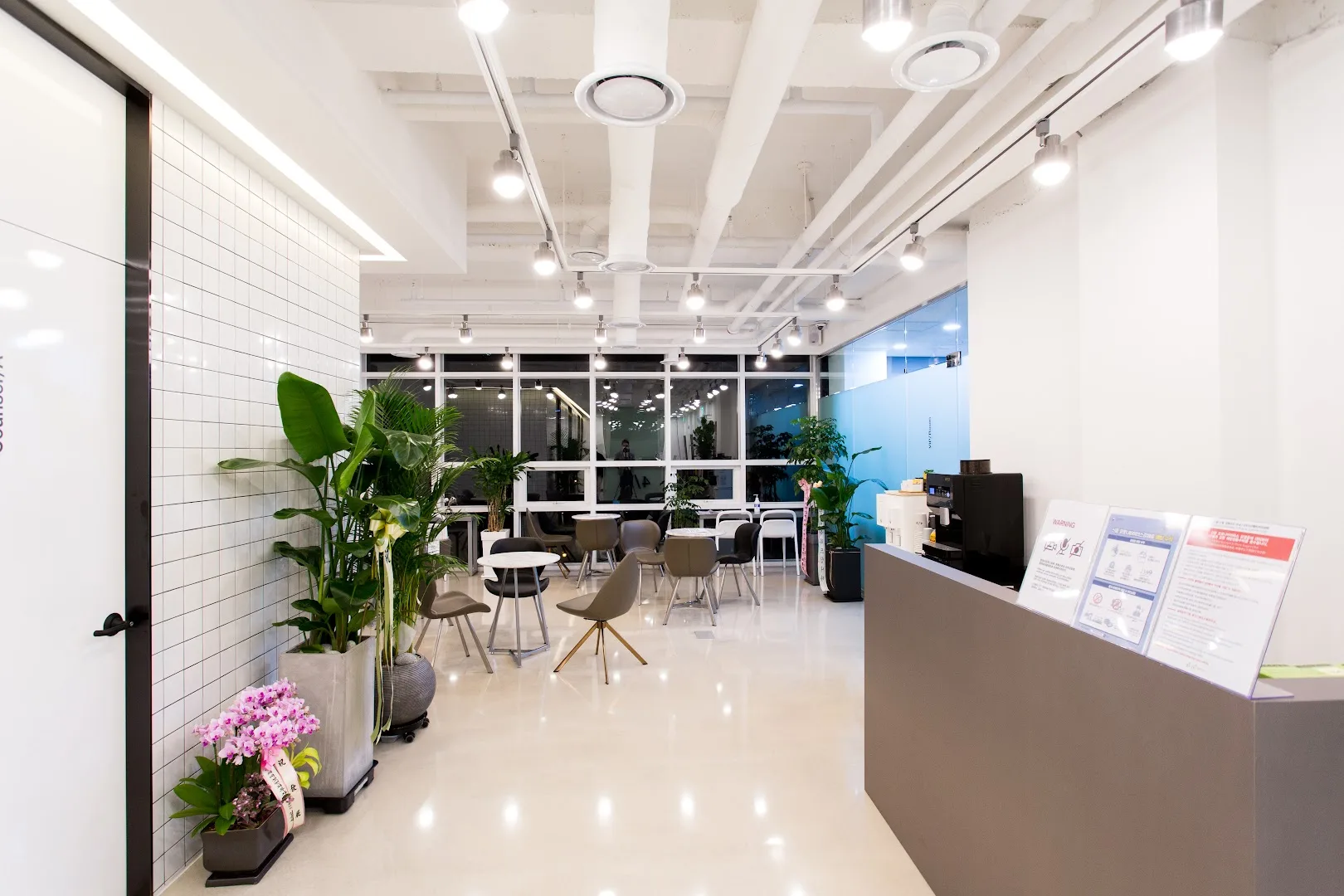
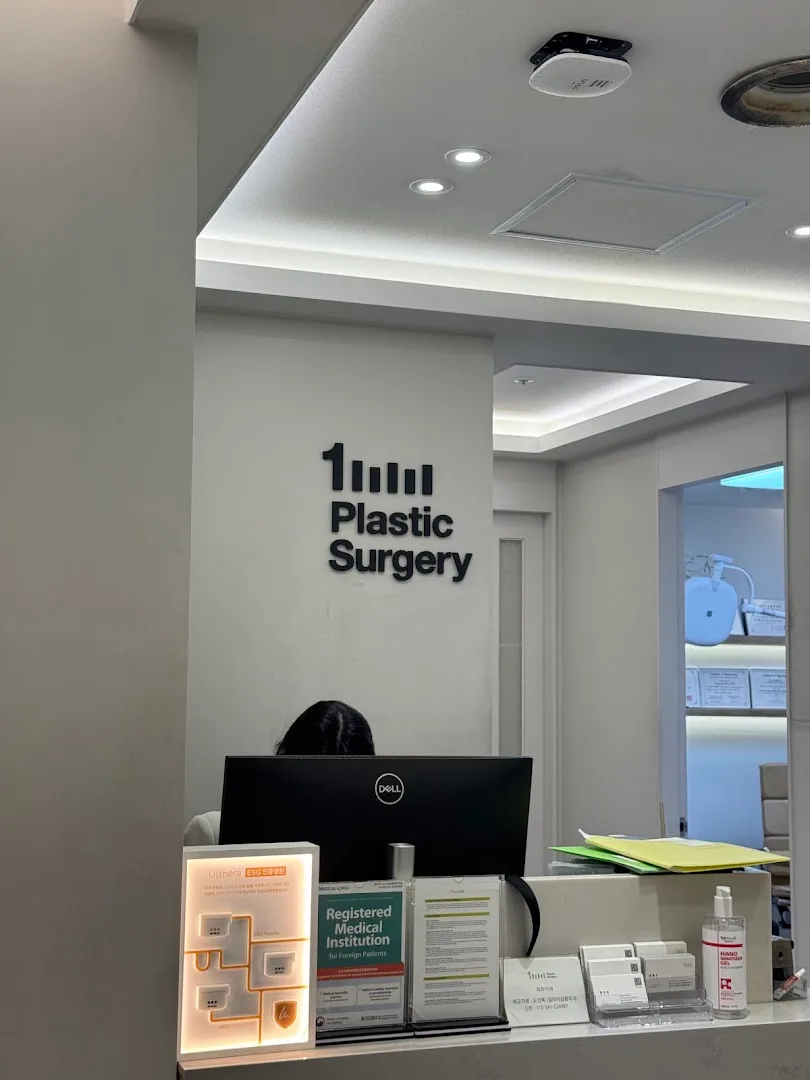
Showing 1–10 of 99 clinics
Free for you
Send your Rhinoplasty request to 4 clinics.
Tell us your goals, budget and dates in 60 seconds. We match you with four Seoul clinics that fit, and their English speaking coordinators reply with a quote, usually within a day.
The guide
Rhinoplasty, in depth.
10 short chapters, written from medical sources and our own Seoul price data. Each source is listed at the end of the page.
What the surgery does
Rhinoplasty changes the shape of the nose by working on its bone and cartilage: lowering a hump, narrowing or lifting the tip, straightening the bridge or narrowing the nostrils. Cleveland Clinic puts the operation at one to three hours, and a septoplasty to help breathing can be done in the same sitting.
- ReductionLowers a hump, narrows the bones or shortens a long nose.
- AugmentationBuilds up a low bridge or a flat tip with cartilage or an implant, a large part of Korean practice.
- Tip workRefines, narrows or lifts the tip by reshaping cartilage and adding small grafts.
- BreathingA septoplasty straightens the wall inside the nose in the same operation.
There are two ways in. An open rhinoplasty adds a small cut across the skin between the nostrils, which gives the surgeon a full view of the tip; a closed rhinoplasty works only through cuts inside the nose. Neither is better in general: your nose and the plan decide, and the surgeon should tell you which one and why.
Is it right for you?
The best candidates have one or two clear things they want changed. Cleveland Clinic advises having finished growing, being in good health, not smoking and having realistic goals.
A Seoul trip adds its own test: can you stay long enough, and who will see you at home if something needs a look in the third week? If the answer to the second question is nobody, sort that out before you book.
A good fit if
- A hump, a drooping or wide tip, or wide nostrils you have wanted to change for a long time
- A low bridge or flat tip you would like built up, work Seoul surgeons do every day
- A blocked side from a bent septum, which can be fixed in the same operation
- You have finished growing, are in good health and do not smoke, as Cleveland Clinic advises
- You can stay in Seoul until the splint is off and have a doctor to check you at home
Think twice if
- You smoke and cannot stop around the surgery
- You want a celebrity's nose rather than a better version of yours
- You have had nose surgery before and cannot stay long enough for a complex revision
- You need the final result for an event in the next few months
- Nobody at home will see you if something needs a look after you fly back
A Western nose in a Seoul clinic
Many Korean patients come to build height into a low bridge, so Seoul surgeons are often very practiced at augmentation with cartilage and implants. Many Western patients want the opposite: a smaller hump, a narrower or less droopy tip, a shorter nose.
Reduction is a different set of moves, and skin thickness changes what is possible. Ask to see before and after photos of reduction work on noses like yours, and ask how often the surgeon does it. A good surgeon will also tell you what they would not change.
Cartilage, silicone or Gore-Tex
When a nose needs building up, the surgeon adds material. Your own cartilage can come from the septum, the ear or a rib; Seoul clinics also use silicone and Gore-Tex (ePTFE) implants, and donated rib cartilage. Each trades off cost, a scar where cartilage is taken, and how it behaves over the years.
Implants are quick to shape, but they are foreign material. In a Korean review of 581 revision rhinoplasties (Kim et al., 2014), 376 noses had a silicone implant, 183 Gore-Tex and 22 Medpor, and the problems behind those second operations included contracture, shifting and infection. That does not mean implants usually fail; it means they are what revision surgeons see most.
- revision rhinoplasties reviewed in Korea
- 581
- Source: Kim et al., 2014
- of those noses had a silicone implant
- 376
- Source: Kim et al., 2014
- had a Gore-Tex implant
- 183
- Source: Kim et al., 2014
If you want a reduction, you may need no added material at all. If you are offered an implant, ask why cartilage is not the plan, and which brand and size will go in.
What it costs in Seoul
Seoul clinics rarely publish surgery prices. Most quote after a consultation, often from photos first, because the price follows the plan: a tip only job, a full reduction, rib cartilage and a revision are very different operations. So our price table stays hidden until at least three clinics publish a comparable price.
Of the clinics on our list that do publish one, the lowest starts at about $3,288 (₩4,400,000). Treat it as a starting point, not a quote. Korea's VAT refund for foreign cosmetic surgery patients ended on December 31, 2025 (The Korea Herald), so the 10 percent VAT is now part of what you pay.
- MaterialRib or donated cartilage usually costs more than septal cartilage or an implant.
- RevisionA second operation takes longer and is usually priced higher.
- VATAsk whether the quote says 부가세 포함 (included) or 별도 (extra).
- Anesthesia and stayGeneral anesthesia or a night in the clinic may be priced on top.
Recovery, week by week
The first week is the one to keep free; after that it is mostly patience. The NHS says the splint stays on for about a week, bruising around the eyes lasts about three weeks and you may need up to two weeks off work. Cleveland Clinic says about 90% of the swelling is gone by three months, and the last of it can take a year.
- in the operating room
- 1 to 3 h
- Source: Cleveland Clinic
- with the splint taped on
- 7 days
- Source: NHS
- off work
- Up to 2 weeks
- Source: NHS
In the meantime, Cleveland Clinic lists what to avoid: blowing your nose, glasses resting on the bridge, heavy lifting, knocks to the face and too much sun.
Day 0
Surgery
One to three hours in the operating room (Cleveland Clinic). In the UK most people stay one or two nights (NHS); in Seoul, ask whether you stay or go back to your hotel.
Days 1 to 2
Packing out
Any packing inside the nose usually comes out within 24 to 48 hours (Cleveland Clinic).
About 1 week
Splint off
The splint and stitches usually come off around a week after surgery (NHS).
About 3 weeks
Bruising gone
Bruising and redness have usually faded, and swimming may be possible (NHS).
4 to 6 weeks
Back to exercise
Strenuous exercise can usually start again (NHS); no heavy lifting before then (Cleveland Clinic).
3 months
Most swelling gone
About 90% of the swelling has settled (Cleveland Clinic).
About 1 year
Final shape
Full results show once the nose has completely healed, usually after a year (Cleveland Clinic).
Risks and revision
Every operation carries a small risk of bleeding, infection, blood clots and a reaction to the anesthetic. For the nose, the NHS lists rare problems such as lasting breathing difficulty, damage to the septum, a changed sense of smell and heavy nosebleeds; Cleveland Clinic adds scarring, skin discoloration and a result you do not like.
The most common outcome to plan for is wanting a small change once the swelling is gone: Cleveland Clinic says about 15% of people need a revision for small changes. Because the nose can take a year to settle, surgeons usually wait before revising, so a revision is rarely possible on the same trip.
- of people need a revision for small changes
- About 15%
- Source: Cleveland Clinic
- of swelling gone by three months
- About 90%
- Source: Cleveland Clinic
Ask before you pay: does the clinic charge for a revision, does it help with flights or a stay, and for how long? Get the answer in writing.
Your days in Seoul
Book the consultation for your first full day and leave a buffer before surgery in case the plan or the date changes. The British Association of Aesthetic Plastic Surgeons (BAAPS) warns that surgery and flying both raise the risk of blood clots, and advises seven to 10 days before flying after a facelift; for a nose, set your flight after the splint check and let your surgeon confirm it.
Pack button up tops that do not go over your head, a travel pillow so you can sleep propped up, and plan for someone to collect you on surgery day.
Consultation with the surgeon, photos and the plan in writing: technique, material, anesthesia, the price with or without VAT, and the revision terms.
Pre surgery tests and the operation. Rest that evening with your head raised and someone nearby.
Rest, cold packs as advised and short walks. Packing, if any, usually comes out within 24 to 48 hours (Cleveland Clinic).
Splint and stitches off at the clinic, about a week after surgery (NHS). Ask for your operation notes and aftercare plan in English.
Once your surgeon clears you. Walk the aisle, drink water and keep glasses off the bridge of your nose.
Reading a Seoul consultation
Coordinators speak English, but quotes, consent forms and price boards often keep the Korean words. These are the ones worth knowing before you sit down.
Red flags and questions to ask
Korea has strong rules, and they help you only if you use them. Since September 25, 2023, hospitals must have CCTV in operating rooms and record the operation when a patient having general anesthesia asks (The Korea Times). The law followed cases of surgery done partly by someone other than the surgeon the patient chose, known in Korea as ghost surgery (대리수술).
The Korean Society of Plastic and Reconstructive Surgeons (KSPRS) runs a specialist search, in Korean, listing its member surgeons by name and hospital; it counts 2,922 plastic surgery specialists certified by the Ministry of Health and Welfare as of September 2026. Not every cosmetic clinic is run by a plastic surgery specialist, so know which kind you are booking.
You never meet the surgeon before the day
The consultation should be with the surgeon who operates, not only a coordinator (상담실장). Get their name and look it up in the KSPRS specialist search.
A price that only holds if you book today
A fair quote lasts long enough to think it over. Pressure to pay a deposit on the spot is a reason to walk away.
A vague answer on CCTV
Ask for your operation to be recorded, which Korean law allows for general anesthesia. A clinic that hedges is telling you something.
An implant by default
A reduction may need no added material at all. Ask why the plan uses an implant and what it is made of.
Only Korean noses in the photos
Ask for reduction cases on noses like yours. A surgeon who does that work often will have them.
No written revision terms
Get them in writing: what is free, for how long, and whether flights or a stay are covered.
Questions to ask before you pay
- 1.Who operates, who gives the anesthetic, and are they both in the room throughout?
- 2.Open or closed, and what exactly will you change?
- 3.Cartilage or an implant, from where, and which brand?
- 4.Is VAT included in this price, and what else is extra?
- 5.When does the splint come off, and when can I fly?
- 6.If I want a revision, what will it cost me and for how long does that hold?
- 7.Can my operation be recorded on CCTV, and how do I get the footage?
- 8.Will I get my operation notes in English for my doctor at home?
Rhinoplasty, answered.
How much does Rhinoplasty cost in Seoul?
Rhinoplasty in Seoul starts from about $3,288 (₩4,400,000) across the 2 clinics we track with a published price. These are list prices without first visit or event offers. Many clinics add 10% VAT, and your clinic confirms the final quote at consultation.
Why do so few Seoul clinics publish a rhinoplasty price?
Because the price follows the plan. A tip only job, a hump reduction, rib cartilage and a revision are different operations, so most clinics quote after a consultation, often from photos you send first. We show a price table only once at least three clinics publish a comparable price.
Is rhinoplasty cheaper in Seoul than at home?
Often, but compare the whole cost. The American Society of Plastic Surgeons puts the average US surgeon's fee at $7,637, before anesthesia and the operating room, and the NHS gives a UK range of £4,000 to £7,000. Add flights, a week or more in Seoul and any follow up at home.
How long should I stay in Seoul after rhinoplasty?
At least until the splint comes off, which the NHS puts at about a week, plus a day or two before surgery for the consultation and tests. BAAPS advises seven to 10 days before flying after a facelift; for a nose, your surgeon decides at the splint check.
When can I fly home?
When your surgeon has seen you after the splint comes off and is happy. BAAPS warns that surgery and air travel both raise the risk of blood clots, so walk the aisle, drink water and wear compression socks if your doctor advises them.
Can a Korean surgeon do a Western nose?
Yes, but choose one who does it regularly. Much of Seoul's practice is building up low bridges, while Western patients more often want reduction. Ask for before and after photos of reduction cases on noses like yours and how often the surgeon does them.
Should I choose my own cartilage or an implant?
Your own cartilage avoids foreign material but needs a donor site; implants are simpler but are what revision surgeons see most: in one Korean review of 581 revisions, 376 noses had silicone (Kim et al., 2014). For a reduction you may need neither. Ask why the plan uses what it does.
Does rhinoplasty hurt?
You are asleep or deeply sedated for the operation. Afterward most people describe pressure, a blocked nose and a dull ache more than sharp pain, and the clinic gives you medicines for it. Call the clinic about pain that gets worse instead of better.
When will I look normal?
Most people are comfortable in public once the bruising fades, which the NHS puts at about three weeks. Cleveland Clinic says about 90% of the swelling is gone by three months, and the final shape usually shows after a year.
Will people see a scar?
A closed rhinoplasty leaves no outside scar. An open one leaves a small scar across the skin between the nostrils, which usually fades well. Narrowing the nostrils leaves fine scars in the creases beside them.
Can I fix my breathing at the same time?
Often, yes. A septoplasty straightens the wall between the nostrils and can be done in the same operation. Tell the surgeon about any blockage, snoring or old injury so it is part of the plan.
What if I do not like the result?
Wait for the swelling to settle before judging, since the nose can take a year to refine (Cleveland Clinic), which also says about 15% of people need a revision for small changes. Agree the clinic's revision terms in writing before surgery, including what happens once you are home.
Is a revision rhinoplasty possible in Seoul?
Yes, and Seoul surgeons see many revisions, including of implant noses. A revision is usually more complex and often needs cartilage, so expect a longer operation, a higher price and a longer stay. Bring your previous operation notes if you have them.
Is it safe to have surgery in Korea?
Korea has well trained surgeons and strict rules, but safety comes from your choices: a specialist you meet before the day, a clinic that records your operation on CCTV if you ask (The Korea Times), and a plan for aftercare at home. Check the surgeon in the KSPRS specialist search.
Do I pay VAT on rhinoplasty in Korea?
Usually, yes. Korea's VAT refund for foreign cosmetic surgery patients ended on December 31, 2025, according to The Korea Herald, so the 10 percent VAT is part of the real price. Ask whether a quote is with it (부가세 포함) or without it (별도).
Can I combine rhinoplasty with other surgery?
Some patients combine it with eyelid surgery or chin work, which means one anesthetic and one recovery. It also means a longer operation and more swelling at once. Ask your surgeon whether the combination is wise for you, and plan a longer stay.
What should I bring and do before I go?
Your medical history, a list of medicines and supplements, and photos of noses you like and dislike. Stop smoking, ask which medicines to pause, and book a doctor at home who will check you after you are back.
Will my doctor at home help afterward?
The NHS advises talking to your GP before deciding. BAAPS notes that aftercare after surgery abroad is often limited and that you may need to return abroad or pay for corrections at home, so get your operation notes in English and line up a local check before you go.
Often compared with
Other treatments to weigh up
Sources and review
How we wrote this page
Reviewed by the SeoulClinics editorial team
Last reviewed November 10, 2026
Medical facts come from the sources below, named where we use them; where the evidence has no number, we say so without one. Prices come from our own listings of Seoul clinics and update as clinics change them.
Check our work
Ask an AI assistant to fact check this page against its sources. Each link opens the assistant with this page in the question.
Medical and price sources
- 1.Nose reshaping (rhinoplasty) · NHS, 2023
- 2.Rhinoplasty (nose job) · Cleveland Clinic
- 3.How much does rhinoplasty cost? · American Society of Plastic Surgeons
- 4.Problems associated with alloplastic materials in rhinoplasty (Kim et al.) · Yonsei Medical Journal, 2014
- 5.Cosmetic tourism · British Association of Aesthetic Plastic Surgeons
- 6.Patients, doctors at loggerheads as operating room CCTV footage made mandatory · The Korea Times, 2023
- 7.Will end of Korea's aesthetics VAT refund drive medical tourists away? · The Korea Herald, 2025
- 8.Find a plastic surgery specialist (성형외과 전문의 찾기) · Korean Society of Plastic and Reconstructive Surgeons, 2026
This page is general information, not medical advice. Results, risks and suitability differ from person to person, and the doctor who examines you is the right person to decide. Prices are what clinics list publicly and can change; your clinic confirms the final quote.
FIND YOUR RHINOPLASTY CLINIC.
Free 60 second quiz: we match you with four clinics that fit your case, budget and dates.
Take the quiz →