Dermal fillers in Seoul.
Also known as hyaluronic acid (HA) filler · Juvederm · Restylane · Belotero · Korean fillers such as Neuramis, Yvoire and The Chaeum · 필러 in Korean

How much does Dermal fillers cost in Seoul? From about $36 (₩48,000), across 59 English-friendly clinics with a published price. Starting prices, confirmed at consultation.
- 4.8 average Google rating across 25,600+ reviews
- 250+ travelers matched with clinics
- 59 clinics publish prices; 94 prices compared
- 2 verified partner clinics
- Starting price
- $36
- ₩48,000
- Typical, 1cc, any brand
- $112
- ₩150,000
- Clinics pricing it
- 59
- Prices checked October 7, 2026
The short answer
- 01Hyaluronic acid filler is a gel injected under the skin to add volume, smooth folds and shape the chin, lips, nose and under eyes, with a result you see straight away.
- 02In Seoul it starts from about $36 (₩48,000) at the 59 clinics we track, and 1cc, any brand typically costs about $112 (₩150,000).
- 03The brand drives the price: Korean fillers cost the least per cc, while Juvederm, Restylane and Belotero cost noticeably more.
- 04Swelling and bruising usually settle in a few days, so a short stay works; hyaluronic acid results usually last six months to a year.
- 05The catch: filler has rare but serious risks, above all an injection into a blood vessel, so who injects you matters more than the price.
At a glance
- Treatment time
- A short visit
- Comfort
- Numbing cream; some gels contain lidocaine
- Downtime
- Swelling or bruising for a few days
- Results
- Immediate
- How long it lasts
- HA: about 6 to 12 months
- Time in Seoul
- 2 to 3 days
From our Seoul listings
Prices for Dermal fillers in Seoul.
Worked out from the list prices 59 Seoul clinics publish. First visit offers, events and bundles are left out, and sizes listed by fewer than three clinics are hidden so one price cannot skew the picture.
- Lowest
- $22
- ₩29,000
- Typical
- $112
- ₩150,000
- Highest
- $617
- ₩825,000
Each dot is one clinic's list price. The line marks the typical (median) price; the shaded band holds the middle half of clinics.
Compare with your country
US price, for reference
Average fee for hyaluronic acid filler in ASPS statistics; ASPS does not say how many syringes. It is for one treatment of any size, and we have no Seoul price for the same amount, so no saving is worked out. Source: American Society of Plastic Surgeons, 2023 (published average).
Typical means the middle price. Home prices in pounds and Canadian dollars are converted at November 2026 rates from GOV.UK. Add flights and a hotel before you decide.
Usually in a Seoul quote
- The product and the amount (cc or syringes) written on your quote
- Numbing cream before the injections
- Injection with a needle or a blunt cannula, as your doctor chooses
Ask whether these are extra
- 10% VAT, often added at the desk (부가세 별도)
- Imported brands, which cost more than the Korean filler behind most low prices
- Extra cc if the doctor needs more than was quoted
- Dissolving old filler (hyaluronidase) before new filler goes in
- A consultation fee at some clinics
Dollar amounts are approximate, at ₩1,338 = $1 (GOV.UK consular rate for November 2026).
59 clinics that do Dermal fillers.
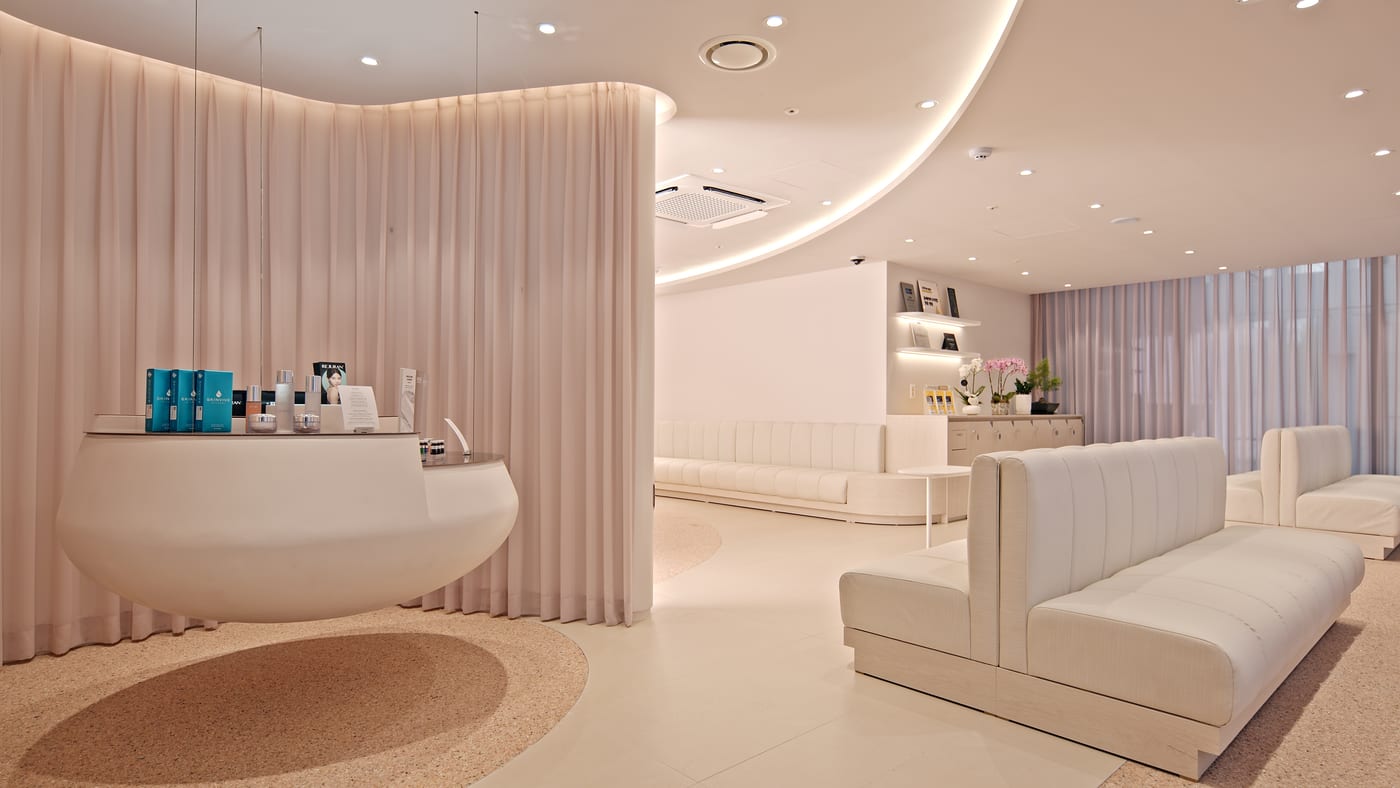
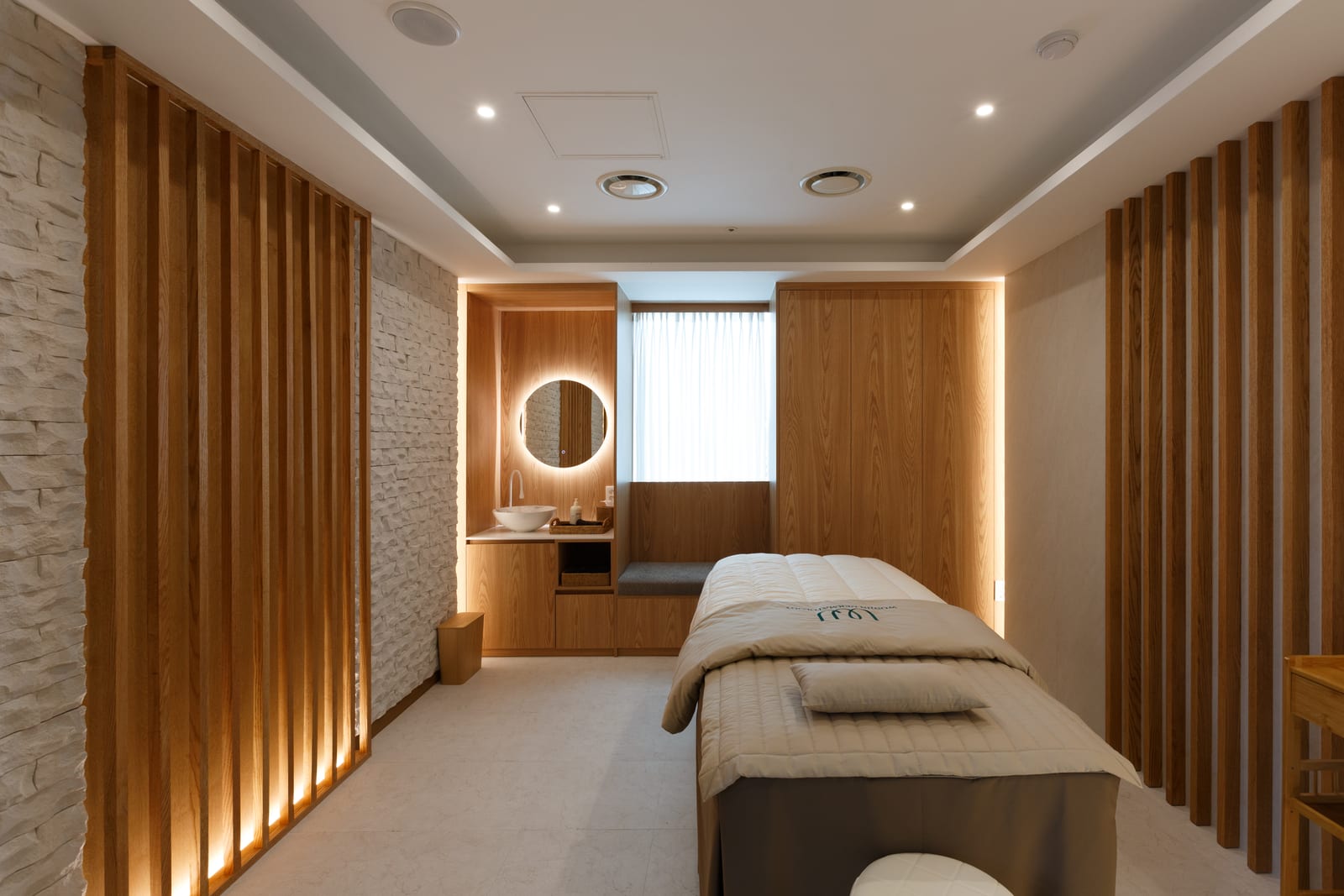
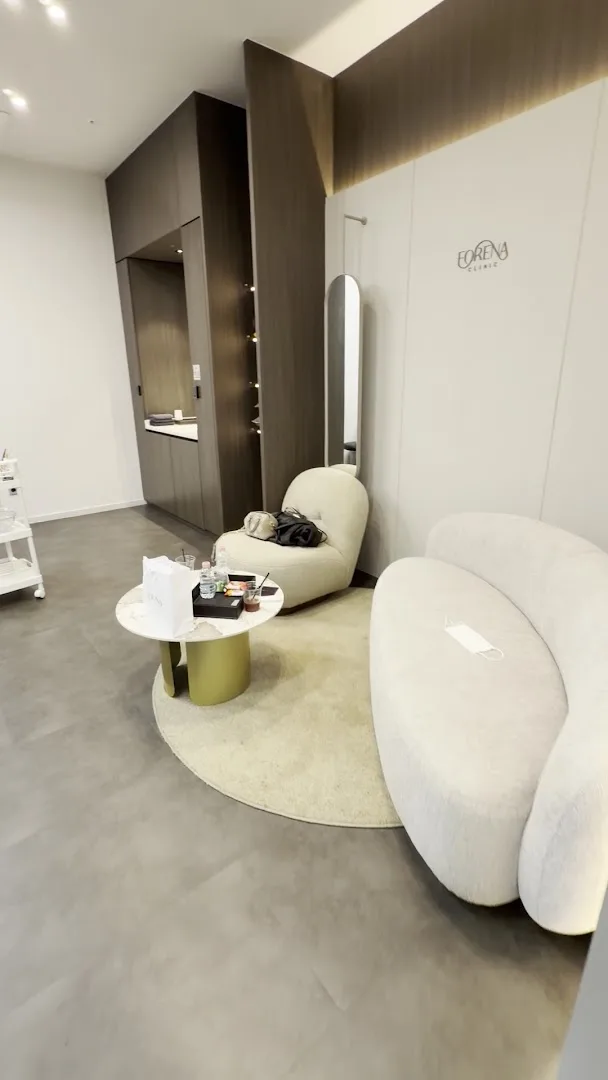


Showing 1–10 of 59 clinics
Dermal fillers by area
Free for you
Send your Dermal fillers request to 4 clinics.
Tell us your goals, budget and dates in 60 seconds. We match you with four Seoul clinics that fit, and their English speaking coordinators reply with a quote, usually within a day.
The guide
Dermal fillers, in depth.
11 short chapters, written from medical sources and our own Seoul price data. Each source is listed at the end of the page.
What filler is and how it works
Dermal filler is a gel placed under the skin to replace lost volume, smooth folds and shape features. Most filler sold in Seoul, and every brand in our comparison, is hyaluronic acid (HA), a sugar molecule your own skin makes. The gel binds water, which is why it plumps.
The FDA notes that some fillers are naturally absorbed over time and that how long the effect lasts depends on the material and the area. Cleveland Clinic says hyaluronic acid results usually last six months to a year, calcium hydroxylapatite fillers such as Radiesse around a year, and poly L lactic acid fillers such as Sculptra two years or more.
Hyaluronic acid has one big safety advantage: an enzyme called hyaluronidase breaks it down. If you dislike the result, or a complication needs treating, the filler can usually be dissolved, which is not possible with every type of filler.
In Seoul, filler is sold by the cc (a syringe is often 1cc) or per area, and the brand drives the price. Seoul menus lean toward shaping rather than plumping: a defined chin, a smooth forehead, a straighter nose line, softer under eyes.
Is it right for you?
Filler adds volume. It suits hollows, a flat or short chin, thin lips, folds from the nose to the mouth, and small dips on the nose. It does not lift heavy, loose skin, and adding a lot of volume to a sagging face can make it look heavier rather than fresher.
Lines that appear only when you move are usually a job for toxin, and loose skin a job for lifting devices, threads or surgery. If you are not sure which you need, our free face scan is a good first look, and a doctor's exam settles it.
The FDA asks you to tell your provider about inflamed or infected skin, bleeding disorders, severe allergies, and allergies to lidocaine or to materials some fillers contain, such as animal or bacteria derived ingredients. Ask for the patient leaflet of the exact product you will receive.
A good fit if
- A short or receding chin, thin lips or flat cheeks you want to shape
- Hollows under the eyes or at the temples
- Folds from nose to mouth, or lines that stay when your face is still
- A smoother nose line without surgery, from an experienced doctor
- You want an instant result with little downtime
Think twice if
- Inflamed or infected skin where you would be injected
- A bleeding disorder
- Severe allergies, or allergy to lidocaine or to animal, egg, collagen or bacteria derived ingredients
- Heavy sagging, where lifting does more than adding volume
- You want it for the body, such as the breasts or buttocks: the FDA recommends against it
Korean filler, Juvederm, Restylane or Belotero?
Seoul menus usually offer a Korean filler and one or more imported brands, at very different prices per cc. All of them are hyaluronic acid gels. They differ in how firm and how cross linked the gel is, how it behaves in a given area, and how much evidence stands behind it, and each brand makes several gels for different depths.
Korean fillers such as Neuramis, Yvoire and The Chaeum are the default in many Seoul clinics. Some have head to head trials: in two 2020 split face trials in Plastic and Reconstructive Surgery Global Open, 58 and 57 women had one nasolabial fold treated with an LG Chem Yvoire gel and the other with Restylane or Perlane, and the Yvoire gels were judged noninferior at 26 weeks. Both trials were funded by LG Chem and written by its employees, so read them as the maker's data.
Juvederm (Allergan), Restylane (Galderma) and Belotero (Merz) are the imported names you will see most. They cost more here, as they do everywhere, and some people choose them for familiarity, or because they plan top ups at home with the same product. Neither choice is wrong: the right gel for the area, and the hands injecting it, matter more than the label.
Here is how the brands compare per cc in our own listings.
Several makers (Korea)
Korean HA
1cc, typical
$90
₩120,000 · from $22 at 14 clinics
Energy
Hyaluronic acid gel
Neuramis, Yvoire and The Chaeum are common names. In two 2020 trials funded by LG Chem, its Yvoire gels were noninferior to Restylane and Perlane at 26 weeks.
Allergan Aesthetics (USA)
Juvederm
1cc, typical
$284
₩380,000 · from $179 at 5 clinics
Energy
Hyaluronic acid gel
A family of gels (Voluma, Volbella and others) for different depths and areas. Often the most expensive per cc in our listings.
Galderma (Switzerland)
Restylane
1cc, typical
$232
₩310,000 · from $135 at 4 clinics
Energy
Hyaluronic acid gel
One of the oldest hyaluronic acid brands, with lip (Kysse) and under eye (Eyelight) versions on Seoul menus.
Merz (Germany)
Belotero
1cc, typical
$217
₩290,000 · from $149 at 5 clinics
Energy
Hyaluronic acid gel
A smooth, soft gel family that Seoul menus often list for the temples, cheeks and under the eyes.
Each brand makes several gels for different areas, so a cc of one is not always the same product as a cc of another. Prices come from the same listings with the same method; a brand drops out when fewer than three clinics list it.
Chin, lips, nose and under the eyes
Chin filler is a fixture of Seoul menus: a small amount can lengthen or project a short chin and balance the profile, and clinics usually price it per cc. Lip filler is priced per cc or per session, and lips swell more than most areas at first, so judge the result after the swelling has gone.
Nose filler shapes the bridge or tip without surgery. Together with the area between the brows, it is also the riskiest place for filler: in a 2019 review of 48 new cases of vision loss after filler, the nose was involved in 56.3% and the area between the brows in 27.1%. Choose an experienced doctor for it, never the cheapest offer.
Under eye filler (눈밑 필러) softens hollows, and aegyo sal filler (애교살) adds the small roll under the lower lashes that is popular in Korea. The skin here is thin, so small amounts of a soft gel are the norm, and too much can look puffy. Our listings price under eye treatments per session rather than per cc.
Results, swelling and how long it lasts
You see the new shape straight away. Cleveland Clinic says bruising, swelling or discomfort are usually mild and go away in a few days, that most people return to normal activities right after, and that your provider may suggest a break from hard exercise for a day or two.
How long it lasts depends on the product, the area and you. Cleveland Clinic gives six months to a year for hyaluronic acid; areas that move a lot, such as the lips, may fade sooner.
Day 0
In the chair
Numbing cream, then a few injections or a cannula. You see the new shape at once, with some swelling on top.
Days 1 to 3
Swelling and bruising
Usually mild and gone in a few days. Lips often swell the most. An ice pack helps.
First days
Take it easy
Your doctor may advise a break from hard exercise for a day or two.
Once settled
The real result
With the swelling gone, the gel sits where it will stay. A good moment for a check or a small top up.
Months 6 to 12
Wearing off
Hyaluronic acid results usually last six months to a year, depending on the product, the area and you.
Any time
Reversible
If you dislike the result, hyaluronic acid filler can usually be dissolved with an enzyme, hyaluronidase.
Risks, with real numbers
The FDA lists bruising, redness, swelling, pain, tenderness, itching and rash as common side effects. Cleveland Clinic adds asymmetry, bleeding and infection among the less common risks, and says serious complications are rare.
The most concerning risk, in the FDA's words, is an unintentional injection into a blood vessel. That can block blood flow to the skin and cause tissue damage, and very rarely reach the eye or brain, causing blindness or stroke. A 2019 review in Aesthetic Surgery Journal found 48 new published cases of vision loss after filler between 2015 and 2018; hyaluronic acid filler was involved in 81.3% of them, and only 20.8% recovered their sight completely.
These events are rare, but they are why the clinic matters more than the price. A 2018 UK guideline says hyaluronidase should be given as soon as a blocked vessel is suspected, within 4 hours. Severe pain, skin turning dusky, blue or cold, or any change in vision during or after filler means stop and get help at once.
- Common: swelling, bruising, redness and tenderness for a few days
- Less common: lumps, asymmetry, infection
- Rare but serious: a blocked blood vessel, which can damage skin and, very rarely, sight
- Get help at once: severe pain, skin turning dusky or blue, or any change in vision
Dissolving and fixing filler
Hyaluronidase (필러 녹이기 on Korean menus) is an enzyme that breaks hyaluronic acid down. Clinics use it to dissolve filler you no longer want, to fix lumps or filler that has moved, and urgently when a blood vessel is blocked. It works on hyaluronic acid only, which is one more reason to know exactly what you were injected with.
The 2018 UK guideline recommends a test patch before planned dissolving, though not in an emergency, because some people react to the enzyme. If you want old filler removed before new filler goes in, ask the clinic whether both can happen on the same trip and how long they want you to wait in between.
Pairing filler with toxin and skin treatments
Filler and toxin are often booked together in Seoul because they do different jobs: toxin relaxes the muscles behind lines, filler replaces volume. Skin boosters and Rejuran improve the skin itself, and devices such as Ulthera tighten. Your doctor decides the order and what can be done on the same day.
Packages that mix several areas or products can save money, but compare them with the single prices per cc, and make sure every product and amount is written down.
Planning your days in Seoul
Filler fits a short trip well. Allow for a few days of possible swelling and bruising before photos or anything important. Nothing in the sources we cite rules out flying soon after; the warning signs of a complication, severe pain, a change in skin color or a change in vision, usually show early, so stay near your clinic for at least the first day.
Decide the areas, and ask clinics to quote the same brand and cc so the prices compare. Ask whether they keep hyaluronidase on site.
Consultation and treatment in one visit. Ice, an easy evening and staying near the clinic for the first day.
Swelling and bruising usually ease. Skip hard exercise for a day or two and use the time for a check.
Nothing in the sources we cite rules out flying soon after. If anything worries you, see the clinic before you leave.
How to read a Seoul price board
Filler menus in Seoul mix brand names, origin labels, areas and amounts, often in Korean only. These are the words that tell you what you are buying.
Red flags and what to ask
Filler looks simple and is sold like a beauty treatment, but the FDA says it should be treated as a medical procedure. These are the signs to watch for, and the questions to ask before you pay.
No brand or cc on the quote
Ask for the product name and the amount in cc, and ask for the patient leaflet of that exact product, as the FDA suggests.
Nose or brow filler at a bargain price
In a 2019 review, these were the highest risk areas for vision loss after filler. Choose experience over price.
No hyaluronidase on site
Ask whether they keep it ready. A 2018 guideline says it should be given within 4 hours if a blood vessel is blocked.
A filler they cannot name or dissolve
Ask what it is made of. Hyaluronic acid can usually be dissolved; injectable silicone is not FDA approved for any cosmetic use.
Filler offered for the body
The FDA recommends against injectable filler for body contouring, including the breasts and buttocks.
A needle free pen or a non doctor injecting
The FDA says needle free devices are not approved for filler. A licensed doctor should treat you.
Questions to ask before you pay
- 1.Which brand and product will you use, and how many cc?
- 2.Is it hyaluronic acid, and can it be dissolved if I do not like it?
- 3.Do you keep hyaluronidase here, and what do you do if a blood vessel is blocked?
- 4.Who will inject me, and how often do they treat this area?
- 5.Is 10% VAT included, and is a check or small top up included?
- 6.Who do I contact if I notice pain, a color change or a vision problem after I leave?
Dermal fillers, answered.
How much does Dermal fillers cost in Seoul?
Dermal fillers in Seoul starts from about $36 (₩48,000) across the 59 clinics we track with a published price, and 1cc, any brand typically costs about $112 (₩150,000). These are list prices without first visit or event offers. Many clinics add 10% VAT, and your clinic confirms the final quote at consultation.
Is Korean filler as good as Juvederm or Restylane?
Some Korean fillers have head to head trials: in two 2020 trials funded by LG Chem, its Yvoire gels were noninferior to Restylane and Perlane at 26 weeks. Each brand makes several gels for different areas, so the right product for the area and an experienced injector matter more than the country of origin.
How long does filler last?
Cleveland Clinic says hyaluronic acid results usually last six months to a year, depending on the product, the area and your body. The same source gives around a year for Radiesse and two years or more for Sculptra.
Can filler be dissolved?
Hyaluronic acid filler usually can, with an enzyme called hyaluronidase. A 2018 UK guideline recommends a test patch first when the dissolving is planned. Other filler types, such as Radiesse or Sculptra, cannot be dissolved this way.
How long does swelling last after filler?
Cleveland Clinic says bruising and swelling are usually mild and go away in a few days. Lips often swell more than other areas, so judge the result once the swelling has gone.
Can I fly after filler?
Usually yes; nothing in the sources we cite rules it out. Stay near your clinic for the first day, when the warning signs of a rare complication usually show, and ask your doctor if you have concerns.
Is nose filler safe?
It is popular, but it carries the highest risk of the common areas. In a 2019 review of 48 cases of vision loss after filler, the nose was involved in 56.3%. Choose an experienced doctor, and ask how they would treat a blocked blood vessel.
What is aegyo sal filler?
A small amount of filler under the lower lash line to create aegyo sal (애교살), the soft roll that makes the eyes look smiling, a look popular in Korea. The skin there is thin, so it needs a careful hand and a soft gel.
How many cc do I need?
Your doctor decides after examining you. Seoul clinics price most areas per cc, so ask for the plan in cc and brand before you agree, and compare clinics on the same amount.
What are the risks of filler?
The FDA lists bruising, redness, swelling, pain, tenderness, itching and rash as common. The most serious, though rare, is an injection into a blood vessel, which can cause tissue damage, blindness or stroke. Get help at once for severe pain, a skin color change or any change in vision.
What should I avoid after filler?
Cleveland Clinic says your provider may advise a break from hard exercise for a day or two, and an ice pack eases swelling. Ask your clinic about massage, saunas and sleeping position for your area.
Who should not get filler?
The FDA asks you to tell your provider about inflamed or infected skin, bleeding disorders, severe allergies, and allergies to lidocaine or to animal, egg, collagen or bacteria derived ingredients, which some fillers contain. Your doctor decides whether filler is safe for you.
Can filler be used on the body?
The FDA recommends against injectable fillers for body contouring or enhancement, including the breasts and buttocks, and says injectable silicone is not approved for any cosmetic use.
Is filler cheaper in Seoul than in the US?
Usually. The American Society of Plastic Surgeons puts the average US cost of hyaluronic acid filler at $715, while 1cc, any brand typically costs about $112 (₩150,000) at the Seoul clinics we track. Imported brands cost more here, and you should add your travel costs.
Can I get filler and Botox on the same day?
Often, yes, and Seoul clinics commonly combine them. Toxin relaxes the muscles, filler adds volume, and your doctor decides the order.
Are Seoul filler prices quoted with VAT?
Not always. Many menus add 10% VAT at the desk (부가세 별도), while others include it (부가세 포함). Ask before you book so the prices you compare are on the same basis.
How do I book filler in Seoul with an English speaking clinic?
Take the free 60 second quiz, or enquire with any clinic on this page. We match you with four clinics, and their English speaking coordinators contact you directly, usually within 24 hours, with times and a quote. It is free for you.
Often compared with
Other treatments to weigh up
Sources and review
How we wrote this page
Reviewed by the SeoulClinics editorial team
Last reviewed November 9, 2026
Medical facts come from the sources below, named where we use them; where the evidence has no number, we say so without one. Prices come from our own listings of Seoul clinics and update as clinics change them.
Check our work
Ask an AI assistant to fact check this page against its sources. Each link opens the assistant with this page in the question.
Medical and price sources
- 1.Dermal fillers (soft tissue fillers) · US Food and Drug Administration
- 2.Dermal fillers · Cleveland Clinic, 2022
- 3.Update on avoiding and treating blindness from fillers: a recent review of the world literature (Beleznay et al.) · Aesthetic Surgery Journal, 2019
- 4.The use of hyaluronidase in aesthetic practice, v2.4 (King, Convery, Davies) · Journal of Clinical and Aesthetic Dermatology, 2018
- 5.Two randomized controlled trials of hyaluronic acid fillers for the correction of nasolabial folds (Yang, Shin, Lee) · Plastic and Reconstructive Surgery Global Open, 2020
- 6.How much do dermal fillers cost? · American Society of Plastic Surgeons
This page is general information, not medical advice. Results, risks and suitability differ from person to person, and the doctor who examines you is the right person to decide. Prices are what clinics list publicly and can change; your clinic confirms the final quote.
FIND YOUR DERMAL FILLERS CLINIC.
Free 60 second quiz: we match you with four clinics that fit your case, budget and dates.
Take the quiz →