TUMMY TUCK IN SEOUL 2026: ABDOMINOPLASTY GUIDE FOR MEDICAL TOURISTS
Mini or full abdominoplasty in Seoul: what the surgery costs, who qualifies, and how to plan your recovery as a foreign patient.
By Editorial
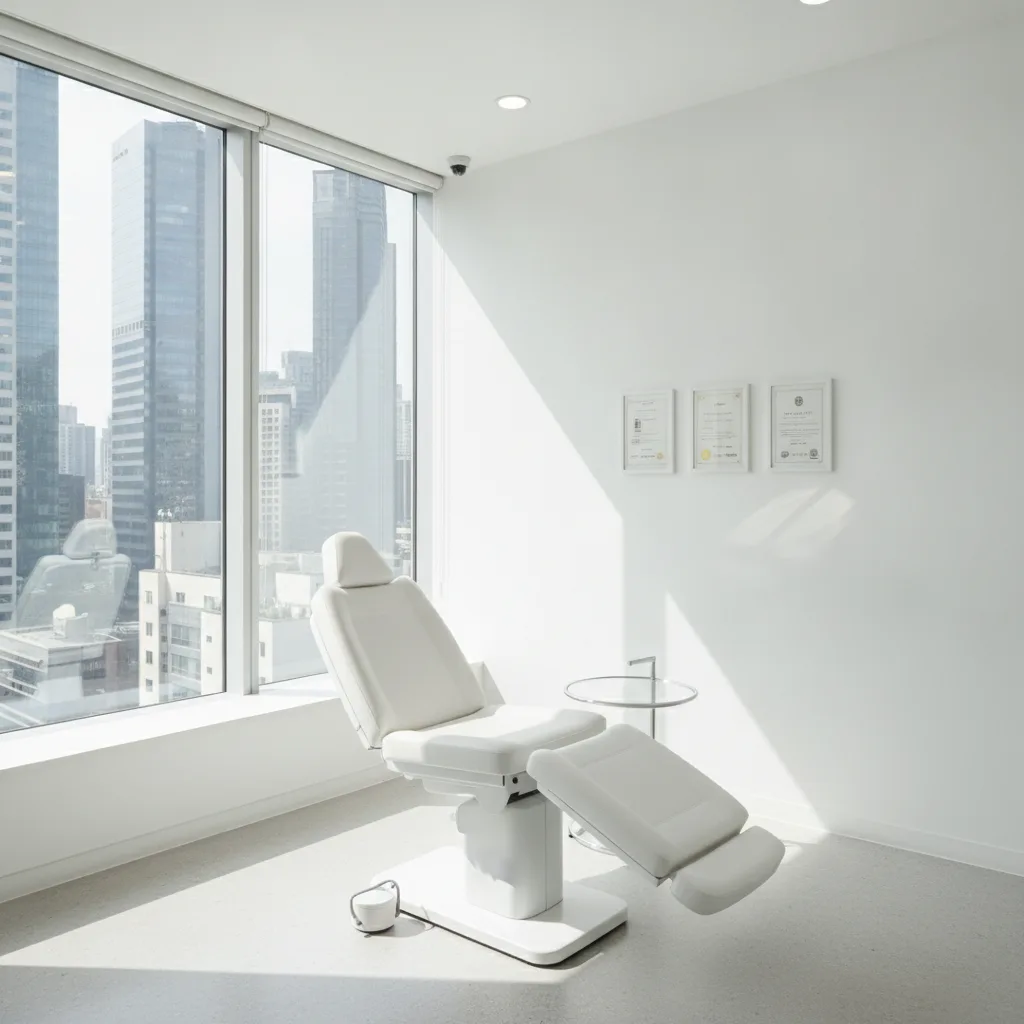
Abdominoplasty has become one of the most requested plastic surgery procedures in Seoul, with international patients arriving from Australia, the UK, the United States, and across Southeast Asia. Korean surgeons have refined the procedure through decades of high-volume practice, and clinic pricing runs 40-60% below comparable facilities in the United States or Australia. For a procedure that demands significant downtime wherever you have it, Seoul's combination of surgical quality and cost efficiency makes it a practical destination — but logistics matter as much as the operation itself.
MINI TUMMY TUCK VS FULL ABDOMINOPLASTY: WHAT'S THE DIFFERENCE?
A mini abdominoplasty treats skin laxity below the navel only. The incision is shorter, positioned low across the pubic area, and the belly button is not repositioned. Surgery takes around 1.5-2 hours. It suits patients with mild skin redundancy in the lower abdomen who have never been pregnant or need a secondary touch-up after a previous full procedure. Most Gangnam clinics recommend it for patients with a BMI below 26 and fewer than 4-5 cm of loose tissue.
A full abdominoplasty addresses the entire anterior abdomen from ribs to pubic bone. The incision runs hip to hip, sitting below the bikini line. The umbilicus is freed from surrounding skin, the abdominal wall muscles are plicated along the midline, excess skin is trimmed, and the belly button is repositioned through a new opening. Surgery takes 2.5-4 hours depending on complexity. Candidates include post-pregnancy women with diastasis recti, individuals who have lost significant weight, and anyone with skin laxity extending above the navel. The procedure is also used in the liposuction-based body contouring approach — surgeons often combine both in one session for patients with concurrent fat deposits.
Extended abdominoplasty adds treatment of the flanks and, in some cases, the outer thighs, producing a more circumferential result. Surgeons at Gangnam clinics distinguish between standard and extended based on the degree of skin laxity past the hip bones, assessed in person, not from photos. A patient who appears to need only a full procedure on photos may qualify for the extended version once standing measurements are taken.
WHAT TUMMY TUCK SURGERY INVOLVES IN SEOUL
All three abdominoplasty types are performed under general anesthesia. Most Seoul plastic surgery clinics admit patients the night before for bloodwork and pre-op assessment, then perform surgery the following morning. One to two nights in the clinic's recovery ward is standard; some clinics include nursing care in the package price. Drains — thin tubes that remove accumulated fluid from the surgical site — are placed during surgery and remain in for 4-7 days depending on output volume.
Muscle plication in the full procedure involves 2-3 layers of permanent sutures along the rectus abdominis and linea alba, correcting diastasis recti and narrowing the waist. Korean surgeons place the incision scar as low as possible to remain hidden under standard swimwear. Compression garments are applied in the operating room and worn continuously for 4-6 weeks post-operatively. Most clinics fit patients with a custom garment rather than an off-the-shelf one, which reduces fluid accumulation and shapes the result more predictably during the initial healing phase.

HOW MUCH DOES A TUMMY TUCK COST IN SEOUL?
Mini abdominoplasty at reputable Gangnam clinics ranges from ₩4,500,000 to ₩7,500,000, roughly $3,300 to $5,600 at current exchange rates. Full abdominoplasty runs ₩9,000,000 to ₩16,000,000 ($6,700 to $11,900), with extended or combination cases reaching ₩14,000,000 to ₩20,000,000 ($10,400 to $14,900). Apgujeong clinics at the premium end of the market sit closer to the upper range. Clinics in Seocho and outer Gangnam often price 15-25% lower for equivalent procedures and comparable surgeon seniority.
Most Seoul packages include anesthesia, the operating room, one to two nights of recovery accommodation, and the first two post-op check appointments. Items frequently billed separately include drains, compression garments (₩80,000-₩200,000), and any scar-treatment sessions during the healing phase. Confirm what is included before signing the surgery consent. For a broader view of how Seoul compares to Bangkok and Istanbul for body surgery pricing, the cost gap ranges from 20 to 50% depending on procedure scope.
- 01Mini abdominoplasty: ₩4,500,000-7,500,000 / $3,300-5,600
- 02Full abdominoplasty: ₩9,000,000-16,000,000 / $6,700-11,900
- 03Extended abdominoplasty: ₩14,000,000-20,000,000 / $10,400-14,900
- 04Adding flank/hip liposuction to the same session: +₩1,500,000-4,000,000 / +$1,100-3,000
- 05Compression garment (clinic-fitted): ₩80,000-200,000 / $60-150 — often extra
WHAT DOES TUMMY TUCK RECOVERY LOOK LIKE WEEK BY WEEK?
Days 1-3 are spent in the clinic. Movement is restricted to short walks to prevent deep vein thrombosis, and the nursing team monitors drain output and compression garment fit. Pain is managed with oral analgesics; most patients report discomfort rather than acute pain, particularly when transitioning from lying to sitting. The abdomen feels tight rather than sore, which is normal as the plicated muscles adapt to their new tension.
By days 5-7, drains are removed if output has dropped below 30ml per 24 hours. Walking improves significantly. Most foreign patients stay in a serviced apartment near the clinic from days 7-14, attending follow-up checks every 2-3 days. Bending at the waist remains restricted, and patients sleep in a slightly reclined position with knees elevated to reduce tension on the incision line. Swelling during this period is substantial and does not represent the final shape.
Weeks 3-6 bring a gradual return to daily activity. Light office work is possible from week 3 if the role does not involve prolonged standing. The compression garment comes off after 4-6 weeks, replaced by a lighter support layer for another 2-4 weeks. Post-surgical recovery risks to monitor during this phase include seroma formation and delayed wound healing at the incision corners — both are manageable if caught early at the clinic check. Exercise resumes at week 6-8 with low-impact activity; high-impact training waits until month 3. Final results are visible at 6-9 months as residual swelling resolves and the scar matures from pink to white.
WHICH SEOUL CLINICS DO FOREIGN PATIENTS CHOOSE FOR BODY SURGERY?
Saero Plastic Surgery in Gangnam holds a 4.9 Google rating, offers native English consultations, and is a full ISAPS and ASPS member practice — the same boards that certify plastic surgeons in the US and Europe. The clinic provides airport pickup and maintains a dedicated international patient coordinator, which matters when you are managing post-op follow-ups from a serviced apartment rather than from home. Wonjin Plastic Surgery, also in Gangnam, is one of Asia's largest plastic surgery practices, carries ISO and JCI accreditation, and runs a structured translator program for patients without Korean-language support.
MINE Plastic Surgery in Apgujeong offers native English consultations and a 4.7 Google rating in a smaller, boutique clinical setting. Apgujeong sits 10 minutes from central Gangnam by taxi and concentrates some of Seoul's most established plastic surgery practices on a single street. Onlif Plastic Surgery in Seocho, near Express Bus Terminal station (Line 3 and Line 9), holds a 4.9 rating and specializes in lifting procedures. Seocho is quieter than the Gangnam Strip and accessible from multiple transit lines, which matters when you are moving slowly during recovery. For any clinic you shortlist, confirm that the operating surgeon holds board certification from the Korean Society of Plastic and Reconstructive Surgeons.
CAN I COMBINE TUMMY TUCK WITH LIPOSUCTION OR OTHER SURGERY?
Liposuction of the flanks, outer hips, and lateral thighs is routinely performed in the same session as a full abdominoplasty at Seoul clinics. The advantage is one recovery period and a more proportional overall result. The additional cost for concurrent flank and hip lipo is typically ₩1,500,000-3,500,000 depending on volume removed. If you are also considering breast augmentation, some surgeons will perform both procedures on the same day for appropriate candidates, though the combined anesthesia duration and recovery intensity is considerably higher.
One firm limitation applies: surgeons will not perform aggressive liposuction across the skin being elevated and excised in the same session. The undermining required for the abdominoplasty disrupts blood supply to that skin; suctioning the same zone risks skin necrosis. This is why concurrent lipo is restricted to flanks, hips, and thighs — outside the main flap — and central abdominal lipo is declined when a tummy tuck is being performed simultaneously.
HOW SOON CAN I FLY HOME AFTER ABDOMINOPLASTY?
Deep vein thrombosis risk from long-haul immobility is the binding constraint. Most Seoul plastic surgeons clear patients for flights under 4 hours at day 10-12, provided drains are out and walking is comfortable. Flights between 4 and 8 hours get clearance from around day 14. Flights over 8 hours — standard for patients from Australia, Europe, or the Americas — require a minimum 3-week post-op stay, with many surgeons recommending 4 weeks for long-haul routes. Budget accommodation for this window when planning the trip.
AM I A CANDIDATE FOR ABDOMINOPLASTY?
Weight must be stable for 6+ months before surgery. Abdominoplasty is not a weight-loss procedure; operating on a patient who is still losing weight risks skin redundancy appearing above the incision later. BMI under 30 is the general target, though surgeons make individual exceptions based on overall candidacy. Smoking cessation 4-6 weeks pre-operatively is non-negotiable — nicotine impairs wound healing and significantly increases necrosis risk along the incision line. If pregnancy is planned in the future, surgeons recommend deferring: a subsequent pregnancy will re-separate the plicated muscles and stretch the repaired skin.
Diastasis recti — the midline separation of the rectus abdominis muscles, common after pregnancy — does not respond to exercise alone and is not addressed by any non-surgical treatment. A full abdominoplasty with muscle repair is the only reliable correction. Patients who have this condition alongside post-pregnancy skin laxity gain the most measurable functional benefit from the procedure. If you are unsure whether you have diastasis, request an assessment at your first consultation; it takes 30 seconds with a physical test or a brief ultrasound.
Treatment guides · 6 min · Sep 4, 2026
← all posts
BEST VALUE SEOUL HAIR TRANSPLANT CLINICS 2026
Seven foreigner-designated Seoul clinics ranked for 2026 by cost per graft, surgeon involvement, English support, and revision policy.
OCEAN CLINIC GANGNAM HONEST REVIEW 2026: PRICES, DOCTORS, VERDICT
A reviewer-voice walkthrough of Ocean Clinic Gangnam in 2026, with KRW prices, who it actually suits, and where it falls short.

REJURAN VARIANTS EXPLAINED: HEALER, I, S, HB, EYE IN SEOUL
Every Rejuran type does something different. Here is what each variant treats, what it costs in Seoul, and which one your first booking should be.
SKIN BOOSTERS IN SEOUL 2026: JUVELOOK, PROFHILO, SCULPTRA GUIDE
A first-timer's cost, brand and clinic guide to skin boosters and collagen biostimulators in Seoul for 2026.
REVISION RHINOPLASTY IN SEOUL 2026: FIXING A FAILED NOSE JOB
A practical Seoul revision rhinoplasty guide covering cost, timing, cartilage sourcing, top districts, and which surgeons actually take secondary cases.
▶▶▶ stop reading. start matching.
FIND YOURS.
We'll pull five clinics matched to your case. WhatsApp reply within 24h.