DARK CIRCLES IN SEOUL: 2026 TREATMENT LADDER BY TYPE
Pigmented, vascular, or structural: figure out which dark-circle type you have, then match it to the right Korean treatment ladder in KRW and USD.
By Editorial

Dark circles are three problems wearing the same face. Seoul clinics treat them differently depending on whether the shadow is pigment, blood vessel, or bone. Book the wrong ladder and you spend two years chasing the wrong fix.
WHAT TYPE OF DARK CIRCLE DO YOU ACTUALLY HAVE?
Pigmented dark circles look brown or grey and stay the same colour when you press the skin or tilt your face toward light. They come from post-inflammatory pigment, sun damage, or genetic melanin patterns common in Southeast-Asian and Middle-Eastern skin. This type does not respond to filler at all and gets worse from any laser set too aggressively.
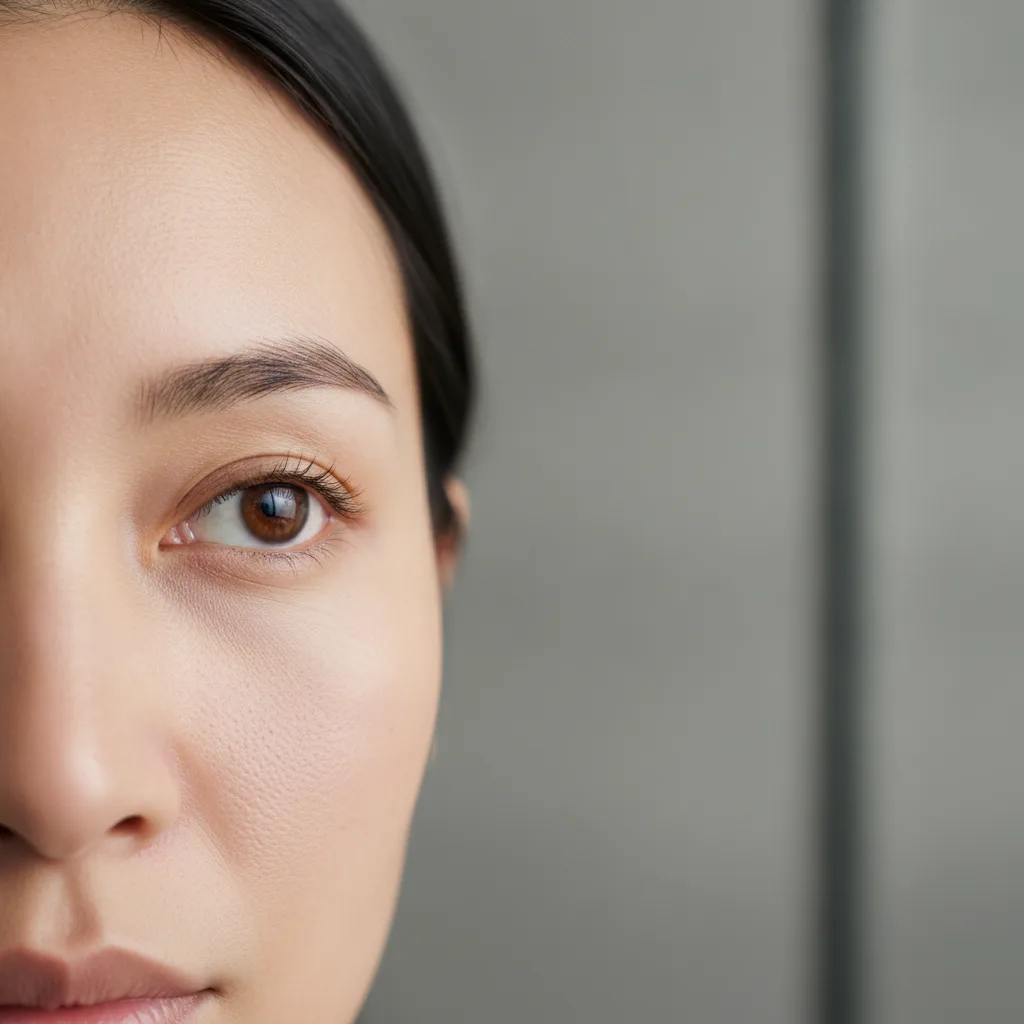
Vascular dark circles look bluish, purple, or reddish because the veins under thin under-eye skin show through. Push gently on the area and the shadow lightens for a second before returning. Late nights, dehydration, and chronic allergies make them louder. Fair-skinned Caucasian patients see this type most often, though thin-skinned Asian patients get it too.
Structural dark circles are shadows, not colour. The tear trough sits deeper than the cheek, and light falls into that valley. Push the cheek up with your finger and the shadow disappears. This is the type most tourists mistake for pigment. It is also the only type that filler was invented for. If you are still unsure, our full write-up on under-eye hollows walks through the pinch test in more detail.
LADDER FOR PIGMENTED DARK CIRCLES
The Korean answer for pigment is PICO toning, a low-fluence picosecond laser run in a 4 to 8 session course. Expect around ₩80,000 to ₩150,000 per session (about $60 to $110) at credible Gangnam and Sinnonhyeon clinics, sometimes bundled at ₩550,000 for a 5-pack. It fragments melanin without burning the thin lid skin, and you can fly the same day.
Layered on top, a nightly prescription tyrosinase inhibitor from the clinic pharmacy does more work than the laser alone. Most Seoul clinics send you home with hydroquinone 2 to 4 percent or a tranexamic-acid serum. Sunblock is not optional here. Skip it for a week and you undo a full session. If pigment is combined with visible melasma on the cheeks, our melasma guide covers the ladder for the wider face.
LADDER FOR VASCULAR DARK CIRCLES
Vascular circles need collagen thickening so the veins stop showing through, not lightening. The two workhorses in Seoul are Rejuran Eye and skin boosters like Juvelook or Rejuran HB. Rejuran Eye runs around ₩250,000 to ₩350,000 per session (about $180 to $260), and the standard course is 3 sessions spaced 3 weeks apart. Expect small papules for 48 hours that fade to nothing.
For a subset of vascular circles caused by prominent veins, a long-pulsed 1064 nm Nd:YAG laser can close superficial vessels in one or two passes. Fewer clinics offer this on the eyelid specifically because the skin is unforgiving, so ask directly at consultation whether the doctor treats periorbital vessels. Full breakdowns of the injectable options live in our Rejuran vs skin boosters comparison.
- 01Pigmented → PICO toning 4-8 sessions + prescription lightening cream
- 02Vascular → Rejuran Eye or skin boosters, 3 sessions, plus SPF and sleep
- 03Structural → tear-trough filler with cannula, 0.5-1 ml per side
- 04Mixed → stack in this order: filler first for shape, boosters for skin, laser last for colour
LADDER FOR STRUCTURAL DARK CIRCLES
Tear-trough filler is the fix, and it must be a hyaluronic-acid filler placed deep on bone with a cannula, not a needle. Expect around ₩450,000 to ₩900,000 (about $330 to $660) for 1 ml split across both sides. A conservative Korean injector will use 0.5 to 0.7 ml total on a first session and top up 6 weeks later if needed. Overfilling this area is the number-one complication foreigners bring back with them.
Pick an injector who does tear troughs multiple times a week, not a generalist. Ask how many they did last month. Ask what filler they use and why. Restylane Eyelight, Belotero Balance, and Neuramis Deep Light are the common Korean choices for this specific area because they hold shape without pulling water. Our full breakdown of prices lives on the tear-trough filler guide.
HOW MUCH SHOULD THE FULL PLAN COST?
Budget by type. A pigmented ladder over three months lands around ₩700,000 to ₩1,200,000 total (about $520 to $890) including creams. A vascular ladder using Rejuran Eye alone is ₩750,000 to ₩1,050,000 for the 3-session course (about $560 to $780). A structural fix with 1 ml of premium HA runs ₩700,000 to ₩900,000 (about $520 to $660) done in a single visit.
Mixed-type patients usually pay more because they need one round of each ladder, but the sequencing matters. Fix structure first, then treat pigment, then finish with boosters for skin quality. Reversed order wastes money because filler changes how light falls on the pigment. If you are also weighing broader budget planning, the Seoul aesthetic budget tiers piece maps ₩1M, ₩2M, and ₩3M trips against realistic outcomes.
WHAT ACTUALLY HAPPENS AT THE CONSULTATION?
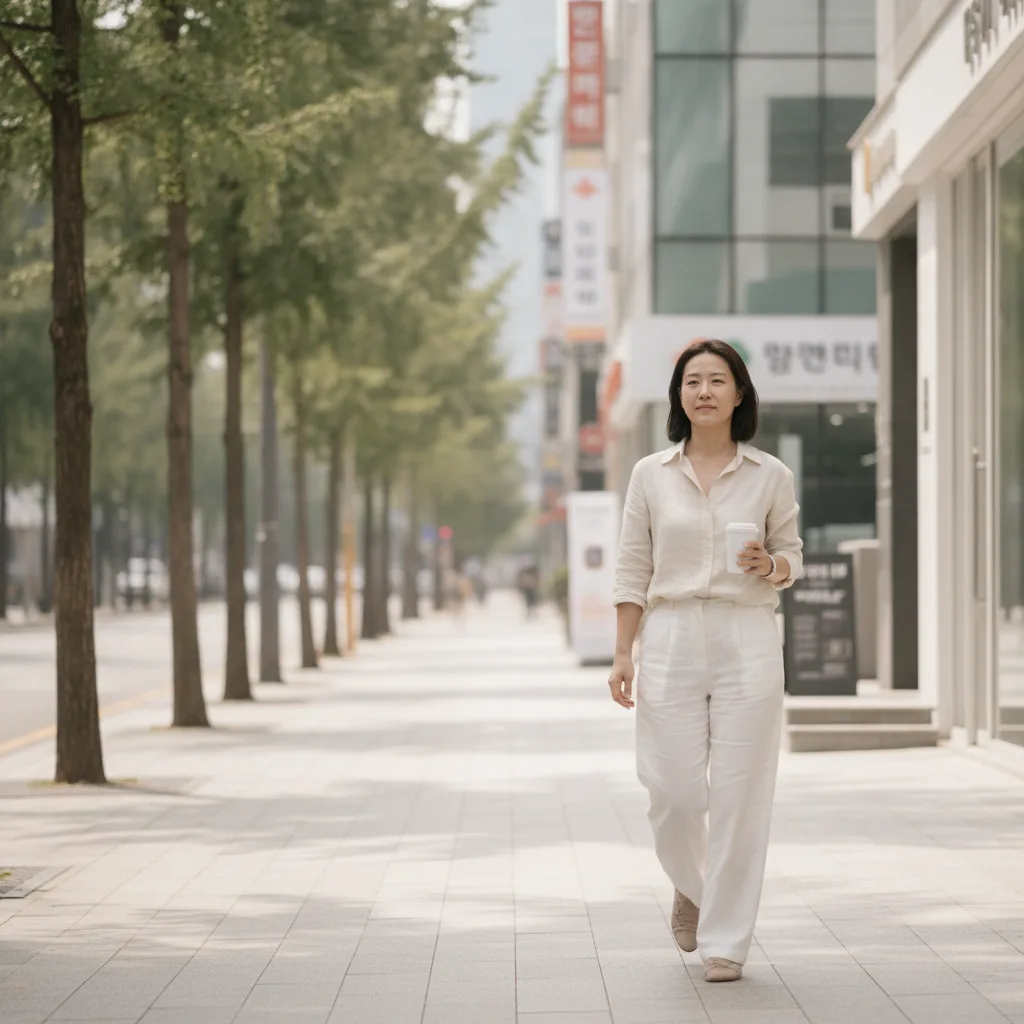
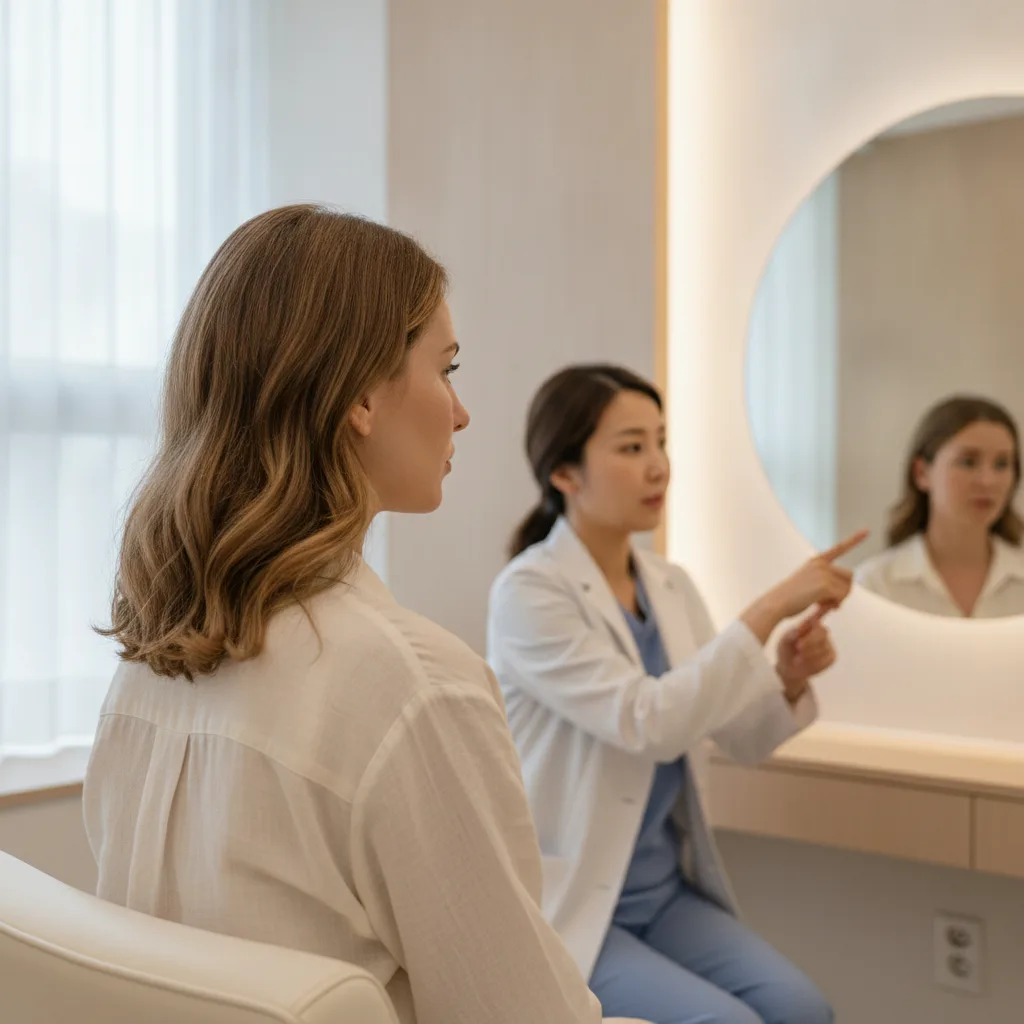
A good Seoul clinic starts with a Wood's-lamp exam or a Visia scan of the under-eye area to separate pigment from vessel from shadow. This takes about ten minutes and is usually free or bundled into a ₩30,000 consult fee. If the doctor jumps straight to recommending filler without touching your face or looking under UV, walk out. That is upsell mode.
Expect the injector to show you their own before-and-after gallery on the eye area, not just general face shots. Ask them to point out patients with your same type. Reasonable clinics say no to at least some patients whose skin is too thin for filler or whose pigment is too deep for their laser. If everything you ask about is answered with yes and today, that is also upsell mode. Our avoiding upsell walk-through covers scripts for holding the line.
HOW LONG DOES EACH TREATMENT LAST?
Filler in the tear trough lasts 12 to 18 months in most patients but can persist for years because the area barely moves and metabolises slowly. This is a feature and a bug. It looks great longer but takes longer to reverse if you dislike the result. Hyaluronidase dissolves it in 24 to 48 hours if needed, ₩100,000 to ₩200,000 per session.
Rejuran Eye and skin boosters give results that peak at 8 to 12 weeks after the third session and hold for around 6 to 9 months before you want a maintenance shot. PICO toning results build across the full course and hold indefinitely as long as sun protection stays consistent. Stop wearing sunblock and the pigment marches back within a season.
“The single most expensive mistake is filling structural shadows without treating the pigment underneath. You end up plump and still dark.”
Concerns · 8 min · Jul 29, 2026
← all posts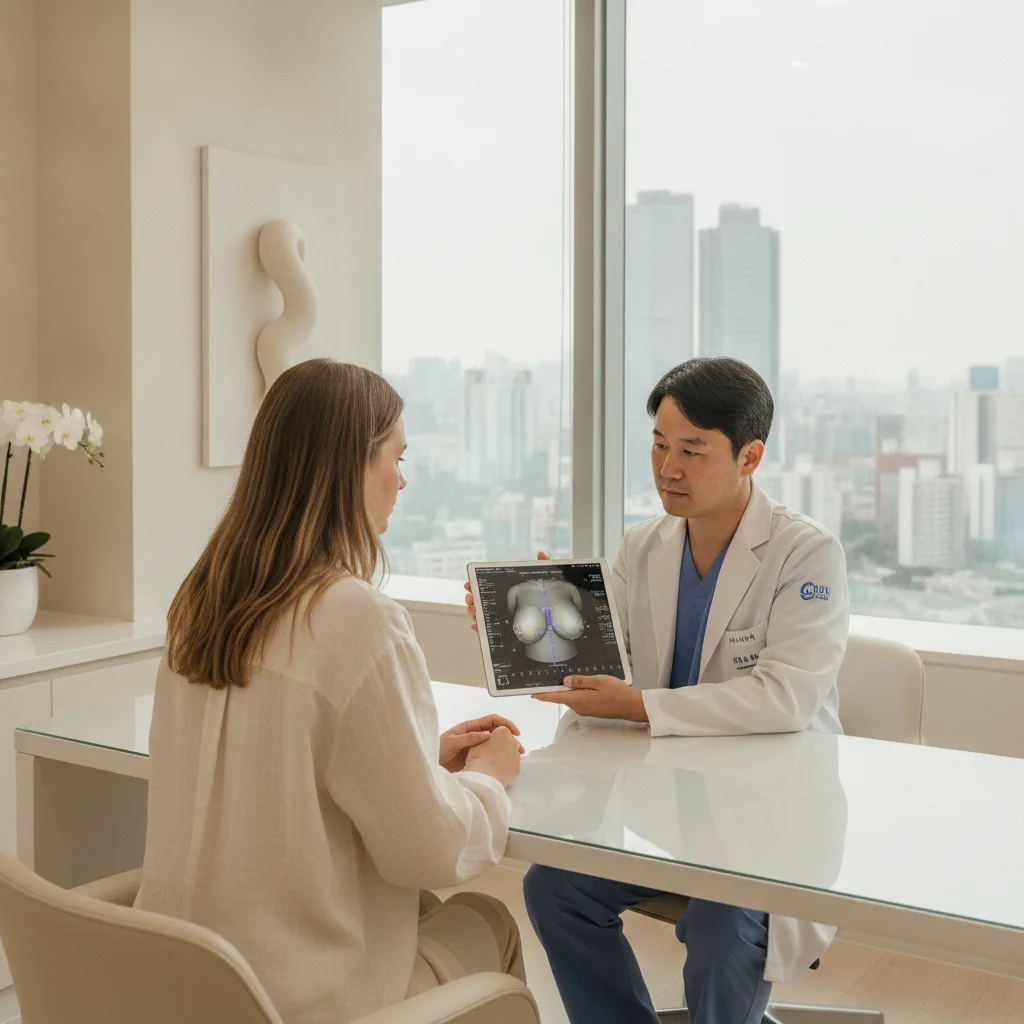
BREAST AUGMENTATION RISKS IN SEOUL 2026: A SAFETY GUIDE
Capsular contracture, rupture, hematoma, and the red flags to catch before booking a Seoul clinic.
TWO-JAW SURGERY RISKS IN SEOUL 2026: WHAT TO KNOW BEFORE BOOKING
A candid look at nerve injury, occlusion problems, airway swelling, and revision odds for international patients considering orthognathic surgery in Korea.
BUNNY LINES BOTOX IN SEOUL 2026: NOSE WRINKLE FIX GUIDE
Small dose, big difference. What bunny lines Botox costs in Seoul, which brand to pick, and how to avoid a frozen nose.
LIPOSUCTION RISKS IN SEOUL 2026: RED FLAGS TO AVOID
The real complications from Seoul lipo, the clinic red flags that predict them, and how medical tourists reduce their odds.

HAND REJUVENATION IN SEOUL 2026: AGE SPOTS, VOLUME & VEINS
Non-surgical hand rejuvenation in Seoul: pico toning for age spots, Radiesse and Profhilo for volume loss, sclerotherapy for veins, and honest 2026 pricing.
▶▶▶ stop reading. start matching.
FIND YOURS.
We'll pull five clinics matched to your case. WhatsApp reply within 24h.