FACELIFT RECOVERY TIMELINE IN SEOUL: WEEK BY WEEK (2026)
A realistic day-by-day and week-by-week facelift recovery timeline for medical tourists in Seoul, from compression day 1 to fully settled month six.
By Editorial
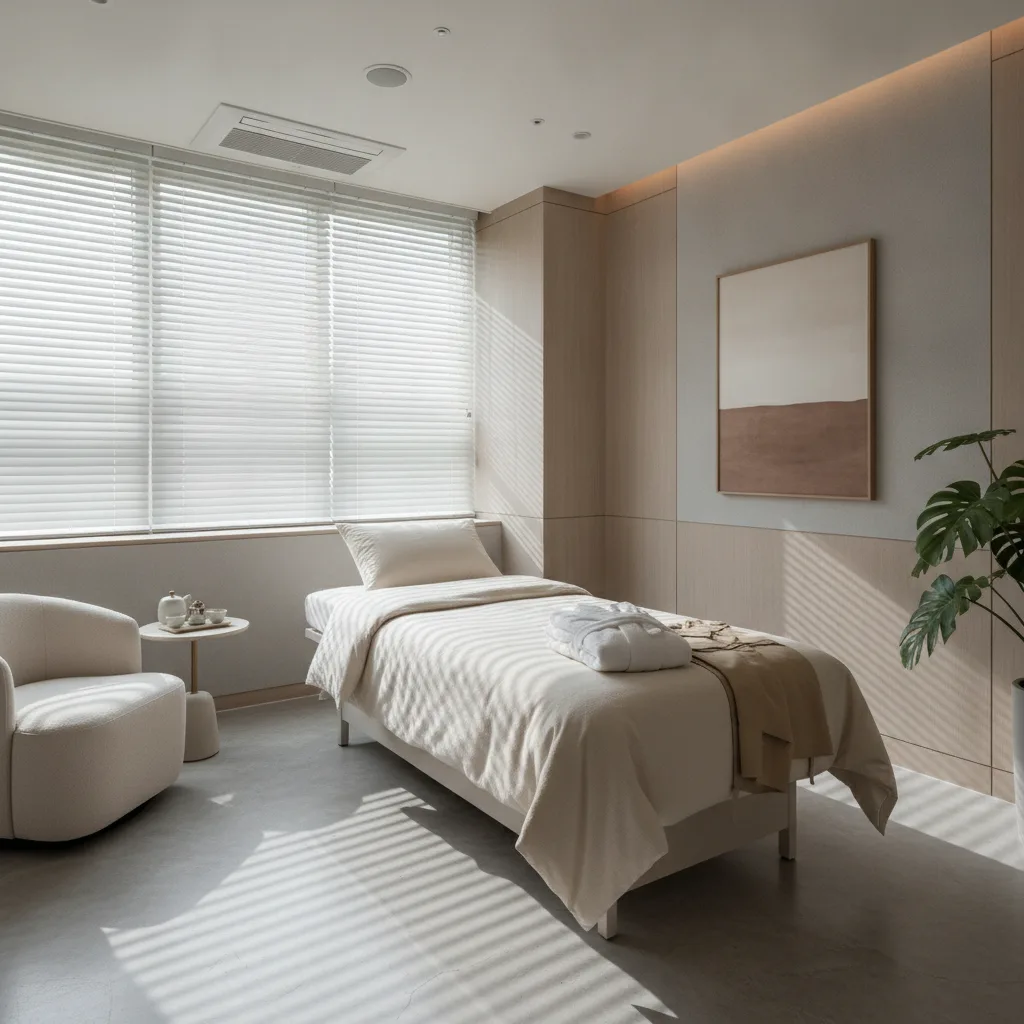
A facelift in Seoul is not a two-day trip. From the moment the compression garment goes on in recovery to the day your jawline photographs cleanly again, the honest window is closer to six weeks of visible healing and six months of internal settling. This timeline maps every phase that matters for a medical tourist booking a facelift in Seoul, so you can plan the hotel nights, the flight home, and the meetings you should not schedule.
WHAT RECOVERY ACTUALLY MEANS AFTER A SEOUL FACELIFT
Korean surgeons run three dominant facelift tiers, and recovery scales with each. A mini or S-lift touches skin and superficial SMAS only, with 7 to 10 days of visible swelling. A full SMAS facelift plicates or imbricates the fascia layer, pushing initial swelling into the 14 to 21 day range. A deep plane facelift releases the retaining ligaments under the SMAS, which produces the longest-lasting result and the most stubborn week-two puffiness, often peaking around day 5 and holding into week 3. Sizing your trip by procedure tier is the single biggest scheduling variable most first-timers get wrong.
The other variable is whether the surgeon added neck lift, fat grafting, or upper blepharoplasty in the same operation. Combined cases add 20 to 40 percent to the swelling window because two surgical planes drain simultaneously. Clinics like Grand Plastic Surgery in Apgujeong and Braun Plastic Surgery in Seocho, both of which run in-house anesthesiologists, will usually schedule combined cases only when they can guarantee at least 14 days in-country for suture removal and the first drain-out check.
DAYS 1 TO 3: THE COMPRESSION GARMENT WINDOW
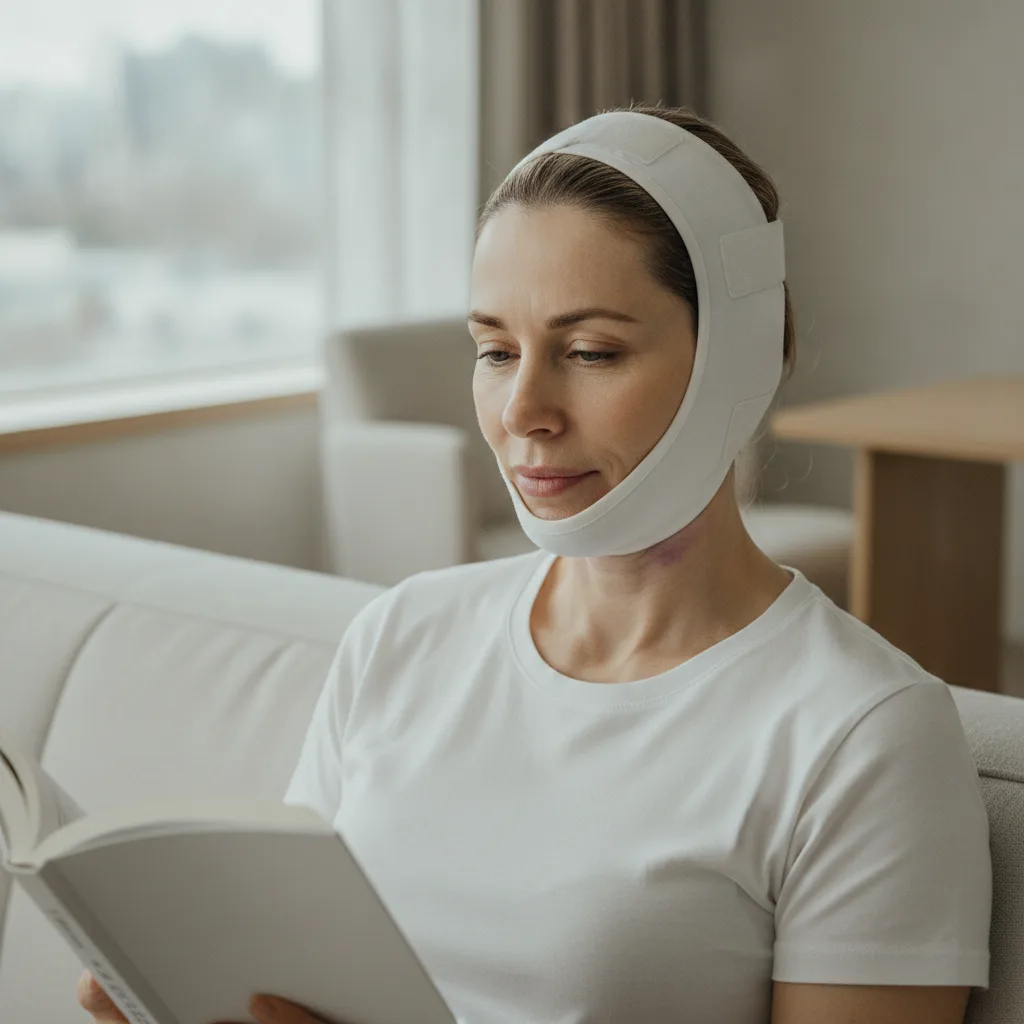
You wake up in a private recovery room wearing an elastic compression garment that wraps from crown to under the chin. Most Gangnam surgical centers keep facelift patients overnight for observation, then discharge on day 1 or 2 with the garment still on. Expected sensation on day 1 is heavy pressure and tightness across the jawline, mild throbbing behind the ears where the incisions run, and numbness across the cheeks that can extend into the earlobes.
Sleep upright for the first 72 hours. Two pillows minimum, ideally a wedge. Ice packs go on for 20 minutes every hour during waking, wrapped in a thin cloth so the numb skin does not get frostbite. Most clinics will send you home with tramadol or a mild opioid for the first two nights and an antibiotic course for 5 to 7 days. Do not skip either. Drains, if placed, come out on day 2 or 3 at a follow-up visit, and the garment stays on 22 hours a day through day 7.
Practical logistics: book a serviced apartment within 15 minutes of the clinic. Most surgeons want to see you at 24 hours, 72 hours, and day 7 minimum. A hotel across town in Myeongdong turns each check-in into a taxi ordeal at exactly the moment you should be lying flat. Serviced apartments in Sinsa and Cheongdam solve this cleanly and cost between ₩120,000 and ₩260,000 per night depending on season.
DAYS 4 TO 7: BRUISING PEAKS, THEN STARTS TO DRAIN
Day 4 is usually the worst you will look. Bruising that started as a faint pink line under the jaw on day 2 blooms into full purple and yellow by day 4, tracks down the neck under gravity, and can reach the collarbone by day 5. This is normal and not a complication. What is not normal: bruising that is spreading rapidly on one side only, a firm painful lump that appeared overnight, or drainage that turned from serous yellow to bright red. Any of those, call the clinic. English-speaking coordinators at Girin Plastic Surgery and April31 Aesthetics are on-call for exactly this.
Sutures behind the ear and in the hairline come out between day 7 and day 10 depending on tension. Sutures under the chin, if a neck lift was included, often stay in for 10 to 14 days. The compression garment shifts from 22 hours a day to nighttime only around day 7, and short outdoor walks with a wide silk scarf become realistic. Most patients feel ready to eat solid food again around day 5, though jaw fatigue while chewing lasts another week.
WEEK 2: SUTURES OUT, BACK INTO DAYLIGHT
By day 10 to 14, the last sutures come out and the incisions along the tragus and in the hairline are pink but closed. Bruising has largely faded to a yellow-green wash you can cover with medium-coverage foundation. Swelling has dropped by roughly 60 percent from the peak, but the lower cheeks and jawline still feel firm and slightly numb. This is the phase where most medical tourists cheat and book the flight home. Whether that is safe depends on the procedure and your surgeon.
- 01Suture line care: gentle saline rinse twice daily, then a thin layer of the ointment the clinic gave you.
- 02Sun exposure: full SPF 50 on the incisions any time you leave the apartment. UV on fresh scars turns them permanently darker.
- 03Sleep position: still upright or on your back through the end of week 2. Side sleeping distorts the healing skin flap.
- 04Alcohol: none through day 14. It thins the blood and prolongs bruising.
- 05Exercise: walking only. No cardio, no bending forward, no lifting above 4 kg.
WEEKS 3 TO 6: THE PHASE MOST PEOPLE QUIT TALKING ABOUT
Between week 3 and week 6, the facelift enters what Korean surgeons call the awkward phase. External bruising is gone, the incisions are pale, and you look presentable in a mirror at arm's length. Up close, though, the cheeks still hold about 20 percent residual swelling that is not evenly distributed. One side almost always drains faster than the other. Photographs from this period will look slightly asymmetric and slightly overfilled, and this is normal. Do not book professional portraits or a wedding inside this window.
Numbness across the cheeks and in front of the ears is at its most disorienting during weeks 3 to 5, because the surrounding tissue is waking up but the nerve endings are not yet firing on schedule. Sensation returns gradually from the edges of the flap inward, and full sensory recovery can take 6 to 12 months. Massage protocols vary by clinic. Deep plane surgeons like those at Saero Plastic Surgery in Gangnam usually forbid any facial massage for a full 4 weeks, while SMAS-only clinics often start light lymphatic drainage at week 2. Follow your surgeon's rule, not the internet's.
HOW LONG BEFORE YOU CAN FLY HOME AFTER A FACELIFT IN SEOUL?
Cabin pressure drops during flight, which pulls fluid out of tissues that are still healing. For a mini or S-lift, most Korean surgeons clear short-haul flights (under 5 hours) at day 10 and long-haul flights at day 14. For a full SMAS facelift the floor is day 14 for short-haul and day 17 to 21 for long-haul. For a deep plane facelift with any neck component, plan a minimum 21-day stay and expect the surgeon to want to clear you at a final in-person visit before signing off. This is the same principle that governs flight timing after other Seoul procedures. If your trip cannot accommodate the full window, choose a less aggressive facelift tier or plan two separate Seoul trips.
WHEN DOES A FACELIFT LOOK FULLY SETTLED?
The result you paid for is not the one you see at week 2. The jawline that photographs cleanly, the neck angle that reads a decade younger, and the cheek contour that stops looking waxy typically arrive between month 3 and month 6. Deep plane cases often need the full 6 months for the released ligaments to reset and for the fat compartments to redistribute cleanly. Scars mature over 9 to 12 months, going from pink to skin-tone as long as they are kept out of direct sun and treated with silicone tape after week 4.
For patients who booked a facelift primarily to correct a heavy lower face, cross-check the settled result against the alternatives you probably considered first, like sagging jawline non-surgical treatments or thread lifting versus Ultherapy. A settled facelift is a step-change, not a percentage boost, and most patients only see the full delta side-by-side once the swelling is truly out at month 4.
WHICH SEOUL CLINICS HANDLE OUT-OF-COUNTRY FACELIFT RECOVERY BEST?
Clinics that see international facelift patients frequently build the recovery infrastructure into the price. ID Hospital in Gangnam runs a dedicated foreign patient center with 24-hour translation, in-house pharmacy, and airport pickup, and their facial-bone surgical volume (over 40,000 cases) means the recovery protocols are standardized. Grand Plastic Surgery in Apgujeong has treated more than 30,000 international patients across 100+ countries and includes tax refund paperwork at discharge. Braun Plastic Surgery in Seocho runs 8-language coordination and a CCTV-monitored operating room, which matters if your family wants proof of protocol back home.
For deep plane and combination cases specifically, Saero Plastic Surgery in Gangnam has 24 years of experience with ISAPS and ASPS-affiliated surgeons and includes airport pickup as standard. Girin Plastic Surgery in Seocho offers a 1-year post-op guarantee across their KAPRS-member specialists, which is unusually explicit for the Seoul market. April31 Aesthetics in Gangnam, foreigner-designated by the KFBA and operating since 1999, is a common pick for medical tourists who want an English-speaking coordinator through the full 3-week window plus tax refund handled at checkout.
“The facelift you booked is not the one you see at week 2. It is the one that arrives at month 4.”
HOW MUCH EXTRA SHOULD I BUDGET FOR THE RECOVERY PORTION IN SEOUL?
On top of the surgical fee itself, plan for 14 to 21 nights of serviced-apartment accommodation (₩1,700,000 to ₩5,500,000), 3 to 5 follow-up visits (usually bundled into the surgical package, verify at consultation), garment replacements if the original stretches (~₩80,000), medications not covered by the initial prescription (~₩50,000 to ₩150,000), and food delivery during the first 10 days because chewing is limited. A realistic all-in for the recovery portion alone lands between $1,800 and $4,500 USD depending on district and tier, and this is separate from the facelift procedure cost itself.
CAN I HIDE A SEOUL FACELIFT FROM COWORKERS WHEN I FLY HOME?
With a mini or SMAS facelift and a 21-day stay, most patients can return to a desk job or video-call role without visible flags, given a haircut that covers the ear scars, minimal foundation to mute residual pinkness, and a silk scarf for the first week back. A deep plane facelift is harder to hide before week 6, because the residual cheek fullness reads as swelling to anyone who knew your prior face well. Patients on tight social calendars often push the surgery date back rather than force a shorter recovery, and clinics like Braun and April31 will schedule intentionally around known return-to-work dates when asked at consultation.
WHAT ARE THE WARNING SIGNS I SHOULD CALL THE CLINIC ABOUT?
Call the clinic the same day for any of these: rapidly expanding one-sided swelling within the first 72 hours (possible hematoma, which needs drainage within hours to prevent skin damage), fever over 38.5°C after day 2, drainage that changed from clear-yellow to red or pus-like, a firm painful lump under the skin that appeared overnight, or new numbness or muscle weakness on one side of the face that was not present at discharge. English-speaking after-hours lines exist at ID Hospital, Grand, Braun, Girin, and April31, and the coordinator will triage whether you need to come in or can wait for the next scheduled visit.
How-to · 8 min · Sep 7, 2026
← all posts
VAT AND TAX REFUND FOR SEOUL PLASTIC SURGERY 2026: WHAT FOREIGNERS CAN ACTUALLY CLAIM
Cosmetic surgery in Korea carries 10% VAT, and foreign patients can reclaim most of it. Here's which procedures qualify, which clinics process the refund cleanly, and what to carry to Incheon on your way home.
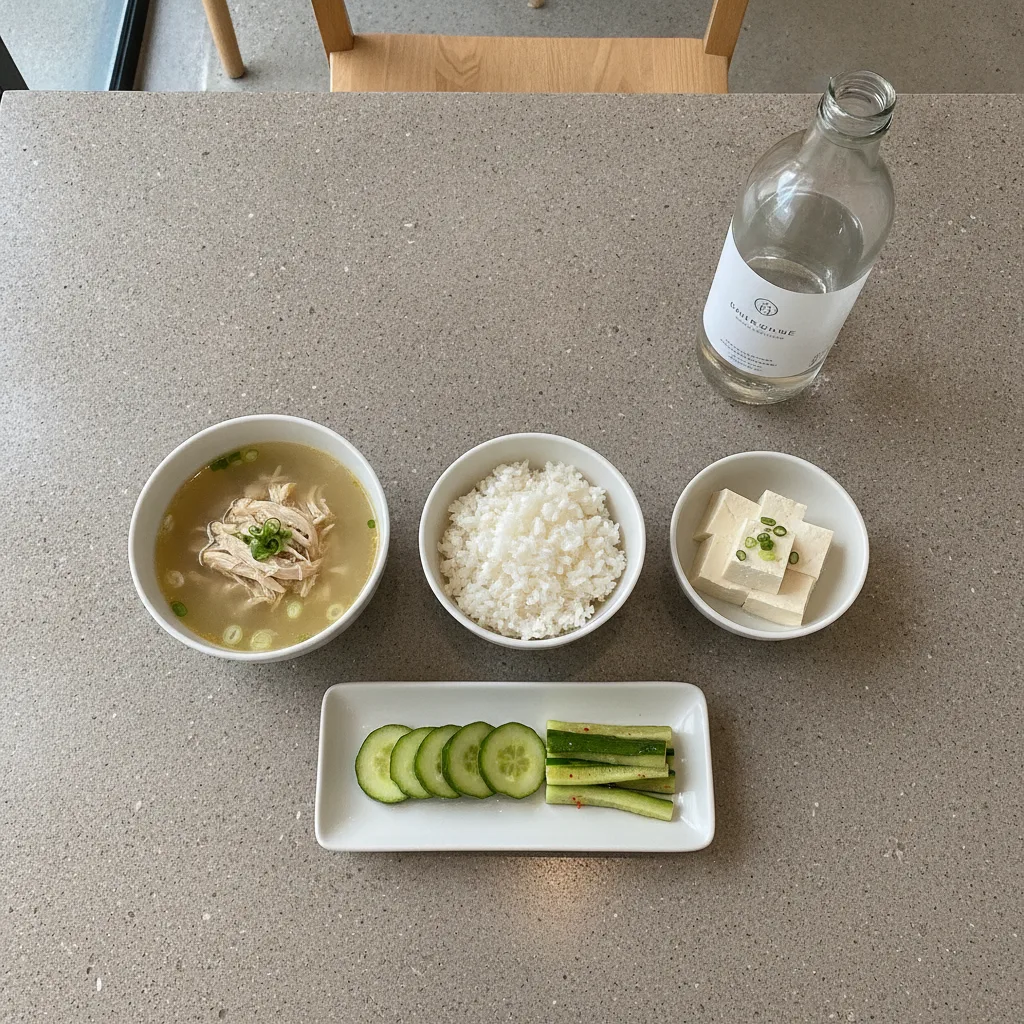
POST-TREATMENT FOOD RULES IN SEOUL 2026: EAT, AVOID, DELAY
What foreign patients can safely eat after botox, fillers, lasers, and rhinoplasty in Seoul, with timings in hours and specific Korean foods to delay.
INSURANCE LETTERS FOR SEOUL PLASTIC SURGERY 2026: WHAT TO ASK FOR
What a Seoul clinic can and cannot put in writing for your employer, insurer, or home-country reimbursement claim.
WHERE TO STAY IN SEOUL FOR AESTHETIC TREATMENTS 2026
Hotels and serviced apartments by district, matched to clinic location, recovery needs, and real nightly rates.
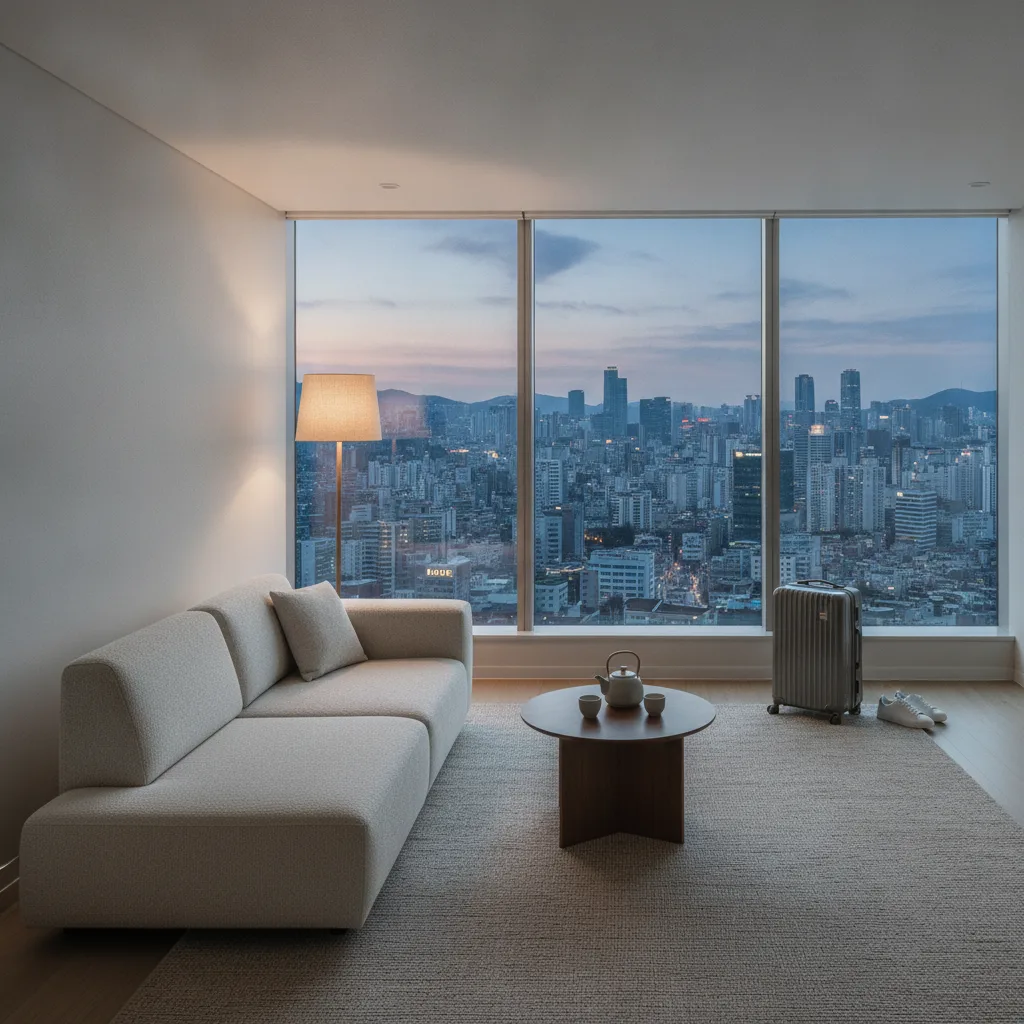
RECOVERY APARTMENTS SEOUL 2026: GANGNAM VS APGUJEONG VS SINSA
Where to actually stay after plastic surgery in Seoul, by district, with nightly rates and clinic distance in minutes.
▶▶▶ stop reading. start matching.
FIND YOURS.
We'll pull five clinics matched to your case. WhatsApp reply within 24h.