POST-TREATMENT FOOD RULES IN SEOUL 2026: EAT, AVOID, DELAY
What foreign patients can safely eat after botox, fillers, lasers, and rhinoplasty in Seoul, with timings in hours and specific Korean foods to delay.
By Editorial
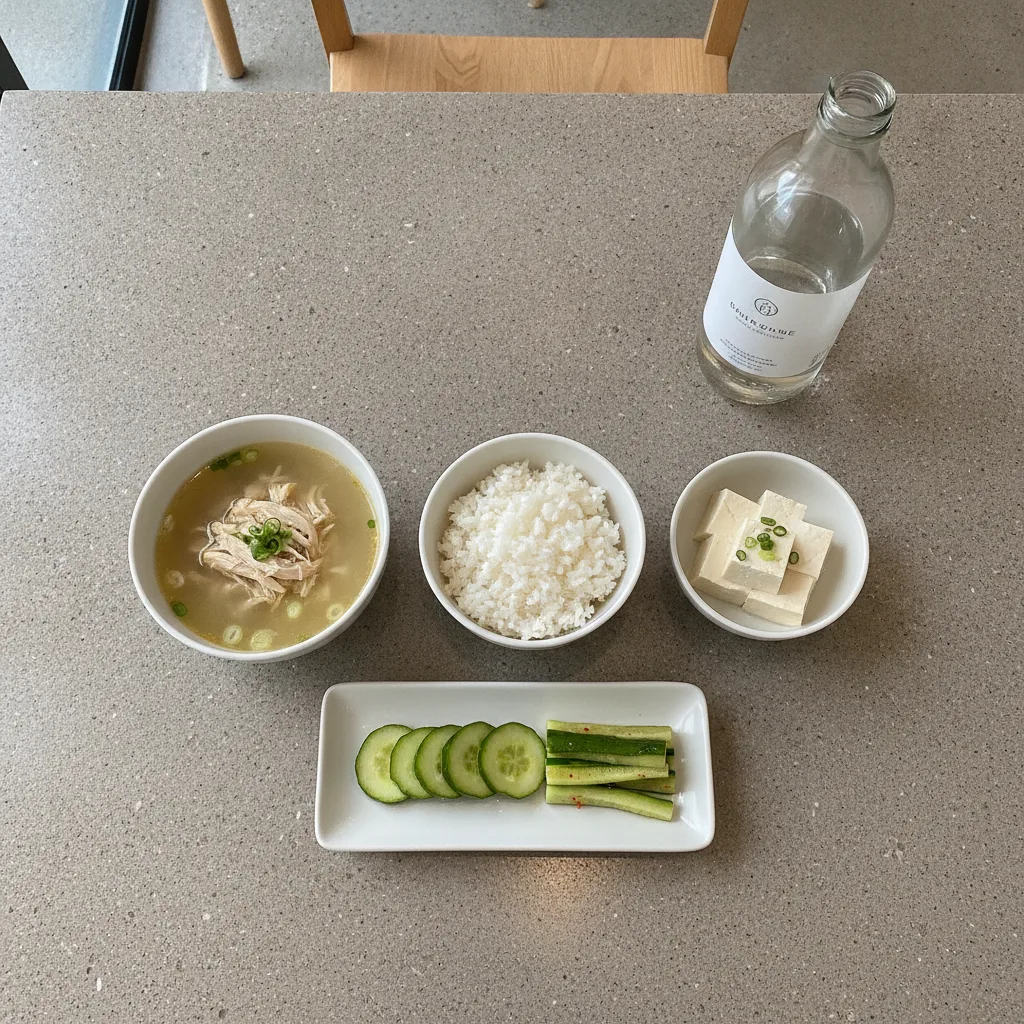
Clinics in Seoul give you a one-page aftercare sheet, and almost none of it is tailored to how you will actually eat the rest of your trip. Korean food is salt, spice, fermentation, and soju in a tight 24 to 72 hour window right when your face is told to behave. This guide is the practical post-treatment food rulebook for foreign patients in Seoul in 2026, broken down by treatment type, with hour-by-hour timings and specific Korean foods you will be offered and should delay. For broader trip planning see our Seoul aesthetic trip budget planner and the Seoul clinic consultation checklist.
WHY SEOUL AFTERCARE SHEETS UNDERSELL THE FOOD QUESTION
Korean clinics write their aftercare in Korean first and translate the bullet points for English, Japanese, and Mandarin tourists second. The Korean original assumes you already know what galbi, soju, maeuntang, and gochujang are doing to your inflammation, your blood pressure, and your bruising, so the translation lands as a vague sentence like avoid spicy food and alcohol for a few days. That is correct and useless. The specific question is which Myeongdong, Gangnam, and Hongdae dinners you can book and which you have to defer, and for how many hours past which treatment. The answer changes between botox at ₩19,000 per area, HIFU at ₩400,000 per face, and a rhinoplasty revision at ₩5 million. Treat the clinic sheet as the floor, not the ceiling.
Three dietary pressures matter in Seoul specifically. Capsaicin from gochugaru and gochujang dilates vessels and intensifies redness and swelling, which blurs filler and laser results for 24 to 72 hours. Sodium from kimchi, doenjang jjigae, and ramyeon broth drives water retention that stretches fresh injectable work and makes jaw-area HIFU look flatter than it should on day three. Alcohol, especially soju and makgeolli, thins blood flow and extends bruising from injectables by two to five days in most patients. If you came for a short Seoul run you lose visible result window to any of the three if you ignore timing.
BOTOX, FILLERS, AND SKIN BOOSTER TIMING IN HOURS
Injectables are the most common first booking for foreign patients and the most food-sensitive in the first 72 hours. For botox across any Korean brand including Nabota, Meditoxin, Botulax, and Innotox, the toxin needs 4 hours to bind inside the muscle before you give it a serious workout, which means no face-down massages, no gym, and no hard chewing of tough galbi, octopus, or dried squid for the rest of the day. On food specifically, the rule is softer than injectors tell you. You can eat solid food within an hour. Delay alcohol 24 hours minimum and ideally 48 to protect bruising. Delay spicy food 24 hours for pure comfort reasons; capsaicin flushes the face and makes the mirror check at day one unfairly alarming.
For hyaluronic acid fillers including Juvederm, Restylane, and Belotero, the active bruising window runs 72 hours. Skip soju, makgeolli, beer, and wine for 48 hours after injection; alcohol and the vasodilation from spicy foods together double the visible bruise days in Southeast-Asian and lighter Western skin. Hard chewing is fine, but avoid lip filler plus deep bowls of boiling-hot sundubu jjigae for 24 hours because external heat accelerates the migration risk on same-day work. For skin boosters including Rejuran, Juvelook, and Profhilo, follow the same 48 hour alcohol rule and add a 24 hour soft food preference for cheek injection patterns; the specific breakdown by brand sits in our Rejuran variants guide.
- 01Botox: solid food after 1 hour, no alcohol 24 to 48 hours, no spicy food 24 hours, no hard-chew squid or dried octopus until the next day.
- 02HA fillers: solid food after 1 hour, no alcohol 48 hours, no spicy food 48 hours, no boiling-hot soups for 24 hours on lip or nose jobs.
- 03Rejuran, Juvelook, Profhilo: no alcohol 48 hours, soft food preference 24 hours, resume kimchi and gochujang after 24 hours if swelling is settling.
- 04Fat dissolver injections, Kabelline or Lipobean: no alcohol 72 hours, no high-salt broth 48 hours, hydrate aggressively because the mechanism of action is pure inflammatory drainage.
LASER, HIFU, AND RF MICRONEEDLING: THE SODIUM PROBLEM
Energy-based treatments produce controlled thermal injury, and the recovery is almost entirely about inflammation management for 72 hours. For Pico laser toning, IPL, Ultherapy, Shurink, Thermage, Oligio, Potenza, and Sylfirm X, the primary food pressure is sodium, not spice. A single bowl of standard Korean kimchi jjigae runs 2,000 to 2,800 mg of sodium, which is more than the full daily WHO limit, and it will visibly puff a jawline that was treated 24 hours earlier. Patients who go straight from a Gangnam HIFU session to a Jongno pork belly dinner routinely message their clinic the next morning worried the treatment did nothing; the treatment is fine, the water retention is masking the lift for 72 hours.
For ablative laser work including Pico Fraxel at the typical ₩119,000 to ₩250,000 range in Seoul, add a strict alcohol pause of 48 hours because alcohol dehydrates the healing epidermis and extends the pink window from 2 days to 5. Spicy food is a comfort problem but not a healing problem on lasers, since the skin barrier is intact enough on non-ablative lasers that gochujang will not interact with the treated layer. Hot drinks matter more than hot food; a boiling-hot Americano on freshly lasered skin provokes transient redness that your Instagram friends will read as a bad result. Switch to iced for 48 hours.
RHINOPLASTY, TWO-JAW, AND SURGICAL RECOVERY FOOD RULES
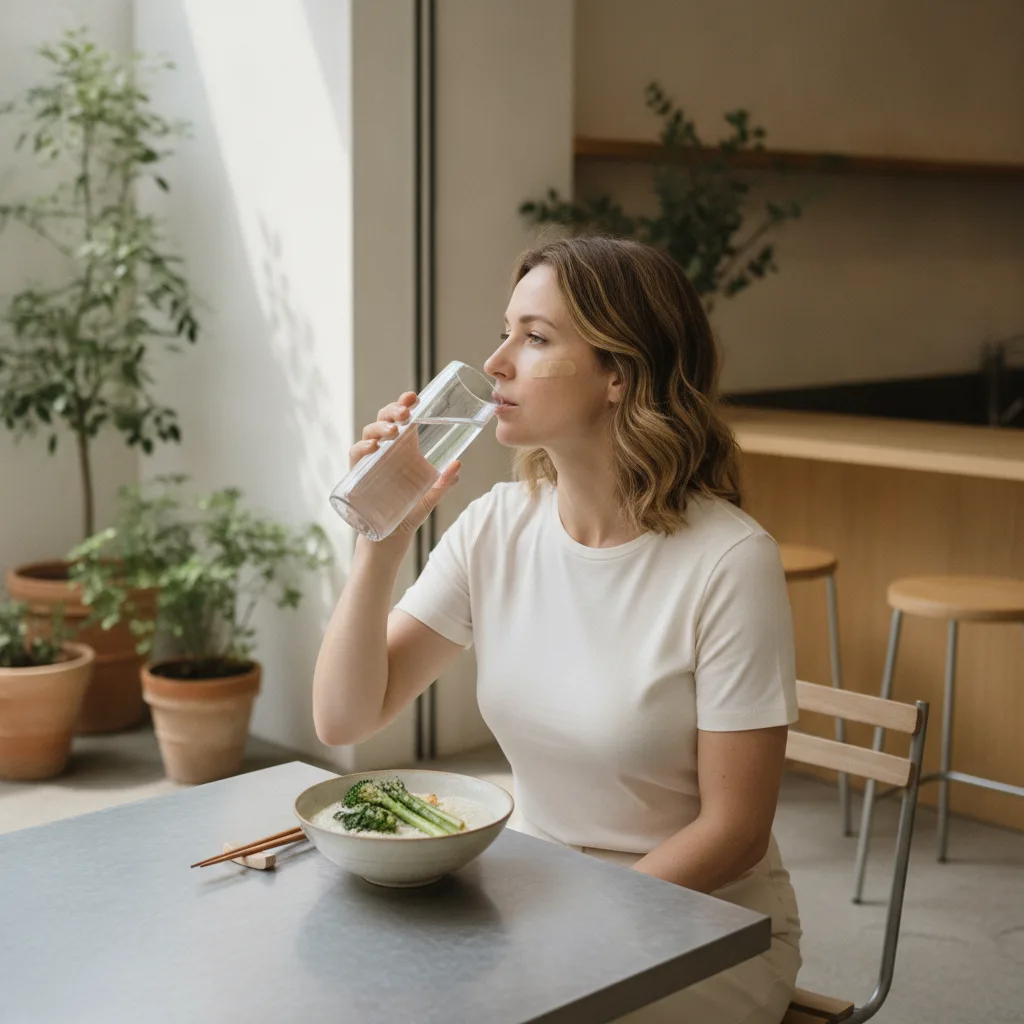
Surgical recovery is where the Korean food map genuinely restricts you, and it is also where the clinic sheet is most likely to be a one-liner. After rhinoplasty, you lose nasal airflow during the splint phase, which means hot steam from jjigae and samgyetang pushes into fresh suture lines and swells the tip aggressively; cold or lukewarm food is the rule for the first 5 to 7 days. After two-jaw surgery, you are on a liquid or soft-food diet for 2 to 4 weeks depending on your protocol, and the realistic Seoul options are juk porridge, soft tofu sundubu without the chili broth, Korean steamed egg gyeran-jjim, meal replacement shakes, and the clinic-provided nutrition drinks that most Gangnam two-jaw specialists hand out at discharge.
The alcohol window for surgical cases is 2 weeks minimum, 4 weeks preferred, and the specific issue in Korea is that soju is 16 to 20 percent ABV, significantly stronger than a Western beer, and it suppresses healing cytokines for 24 hours per serving. Patients who fly in for two-jaw or rhinoplasty and extend their stay for recovery routinely want to celebrate with a Korean barbecue around day 10; the honest answer is that you can eat the softer banchan and some marinated bulgogi cut small, but the soju bottle on the table stays unopened until the surgical team clears you at the suture-check appointment. If recovery housing matters, our guide on recovery apartments in Seoul covers the properties that stock kitchens for exactly this diet.
- 01Day 0 to 3 post rhinoplasty: cool or lukewarm liquids and soft foods, straws banned, no boiling broths, no chewing gum.
- 02Day 0 to 14 post two-jaw: liquid to soft diet, no hard rice, no raw vegetables, protein shakes plus juk and sundubu without chili.
- 03Day 0 to 14 post any surgical case: zero alcohol, zero smoking, limit coffee to one cup, hydrate at 2.5 to 3 liters water per day.
- 04Day 15 to 28 post surgical: reintroduce normal Korean food cautiously, delay soju and makgeolli until surgeon clearance, delay dried squid and tough galbi until bone or cartilage settles.
SUPPLEMENTS, BLOOD THINNERS, AND THE KOREAN PHARMACY AISLE
Most foreign patients forget that supplements count as food inputs for pre-treatment and post-treatment timing. Fish oil, omega-3, high-dose vitamin E, garlic extract, ginkgo biloba, and turmeric all thin blood meaningfully and should pause 7 days before injectable or surgical work. In Korea the practical trap is the Olive Young supplement aisle, where red ginseng, hongsamjeong extracts, and omega-3 soft gels are sold aggressively to tourists; patients buy them day one of the trip and start dosing before their day three botox appointment, which is why bruising from a one-area forehead botox turns into a visible panda eye for a week. Pause anything blood-thinning 7 days before and 3 days after injectables, and 14 days before surgery.
Caffeine is the other quiet lever. One Americano is fine; three in a Myeongdong cafe crawl before a filler appointment measurably bumps blood pressure and bruising. For post-botox the 4 hour window is about muscle not caffeine; coffee is allowed immediately. For post-filler and post-surgical the caffeine cap is one serving per day for 48 hours. Water intake matters more than any single food rule; the Seoul tap water is drinkable but most patients prefer the ₩1,000 Samdasoo bottles, and the realistic hydration target is 2.5 liters per day in the 72 hour window after any aesthetic work.
SPECIFIC KOREAN DISHES: EAT, DELAY, OR SKIP
Translating the general rules into the actual menus you will see in Seoul is where the sheet should have been from the start. Spicy stews including kimchi jjigae, sundubu jjigae with red broth, and budae jjigae are delay 24 to 72 hours depending on treatment. Grilled meats including samgyeopsal, galbi, and bulgogi are fine as soon as you can chew comfortably, which is day one for injectables and day 5 to 10 for surgical. Soju, makgeolli, and all beer are pause-the-trip items; book your Hongdae drinking night for after your clinic schedule, not during. Convenience store ramyeon and triangle kimbap are high sodium and should delay 24 hours after HIFU or laser.
- 01Eat freely from day one: steamed rice, juk porridge, gyeran-jjim steamed egg, sundubu without chili, bulgogi with light sauce, Korean fruit platters, white kimchi baek-kimchi, soft tofu.
- 02Delay 24 to 48 hours: red kimchi, kimchi jjigae, standard spicy ramyeon, maeuntang spicy fish stew, buldak fire chicken, hot wings, dried squid snacks, dried anchovies.
- 03Delay 48 to 72 hours: soju, makgeolli, beer, wine, cocktails, cold medicines containing aspirin, any supplement with ginkgo or fish oil.
- 04Pause longer for surgical patients: hard raw vegetables, dried squid, tough gristle on galbi, boiling-hot broths, carbonated drinks on week one post rhinoplasty.
HOW DO I HANDLE A GROUP DINNER THE NIGHT OF MY TREATMENT?
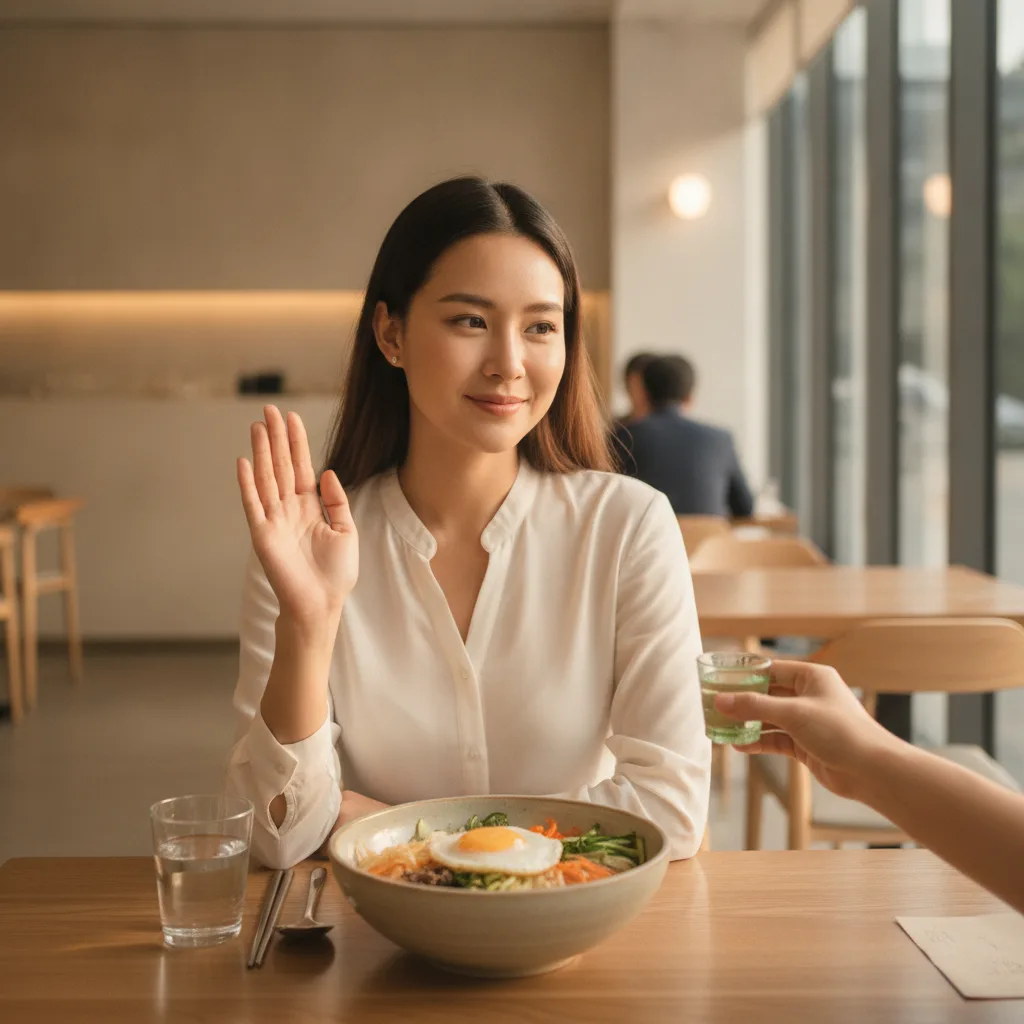
The most common failure mode is a pre-booked Korean barbecue dinner with friends the same evening as a Gangnam injectable session, usually because the trip was planned before the appointment slot was confirmed. The clean move is to go, eat the grilled protein and rice banchan, and decline the soju with the Korean phrase sul motmeogeoyo which translates as I cannot drink. Korean hosts respect a medical reason without pressing. The failure case is drinking two or three glasses of soju out of politeness and waking up at day three with bruises your injector will blame on alcohol with evidence. Set the expectation with your group before the dinner, not at the table.
CAN I DRINK COFFEE THE MORNING OF A BOTOX APPOINTMENT?
Yes for one standard Americano, no for three. The Korean cafe culture pushes 500 ml cold brews that run 200 to 300 mg of caffeine per cup, and two of those before a 10 am filler appointment measurably bumps your bruising risk through blood pressure. The practical rule is one coffee max in the two hours before injectable work, water with electrolytes after. Post-botox you can resume normal coffee intake the same afternoon. Post-filler the one-coffee cap holds for 24 hours. Post-surgery your anesthesia team will tell you to skip morning coffee entirely because of the nil-by-mouth window; respect that specifically, since caffeine withdrawal headaches during recovery day one are miserable and avoidable with a slow taper the week before.
WHAT ABOUT KOREAN TRADITIONAL MEDICINE AND HERBAL TEAS?
Hanbang traditional herbal teas are everywhere in Seoul, sold as recovery drinks, and most foreign patients assume they are neutral. They are not. Ginseng tea bumps blood pressure and bleeding risk and should pause 7 days before injectables or surgery, the same window as supplements. Ssanghwa-tang the energy tonic contains multiple herbs including rehmannia and licorice that interact with anesthesia and are a hard no in the 14 days before a surgical case. Barley tea boricha is safe and encouraged for hydration. Corn silk tea oksusu-cha is safe. Pu-erh and green tea are fine in moderation. If a hotel or clinic offers you an unlabeled recovery tea, ask what is in it before you accept; your injector in Gangnam does not want you drinking ginseng the night before filler work.
How-to · 9 min · Oct 19, 2026
← all posts
INSURANCE LETTERS FOR SEOUL PLASTIC SURGERY 2026: WHAT TO ASK FOR
What a Seoul clinic can and cannot put in writing for your employer, insurer, or home-country reimbursement claim.
WHERE TO STAY IN SEOUL FOR AESTHETIC TREATMENTS 2026
Hotels and serviced apartments by district, matched to clinic location, recovery needs, and real nightly rates.
RECOVERY APARTMENTS SEOUL 2026: GANGNAM VS APGUJEONG VS SINSA
Where to actually stay after plastic surgery in Seoul, by district, with nightly rates and clinic distance in minutes.
CREDIT CARD FEES AT SEOUL AESTHETIC CLINICS 2026: SURCHARGES & FX
What foreign patients actually pay in card surcharges, FX markups, and daily caps at Seoul aesthetic clinics in 2026.
RECOVERY STAYS SEOUL PLASTIC SURGERY 2026: HOTELS AND PRICES
Where foreign patients actually stay after rhinoplasty, two-jaw, breast and body surgery in Seoul, with KRW night rates by district and what to book.
▶▶▶ stop reading. start matching.
FIND YOURS.
We'll pull five clinics matched to your case. WhatsApp reply within 24h.