FLYING HOME AFTER SURGERY IN SEOUL 2026: SAFE TIMELINES BY PROCEDURE
Rhinoplasty, facelift, breast, lipo, two-jaw: how many nights to book before the return flight, and what cabin pressure actually does to swelling.
By Editorial
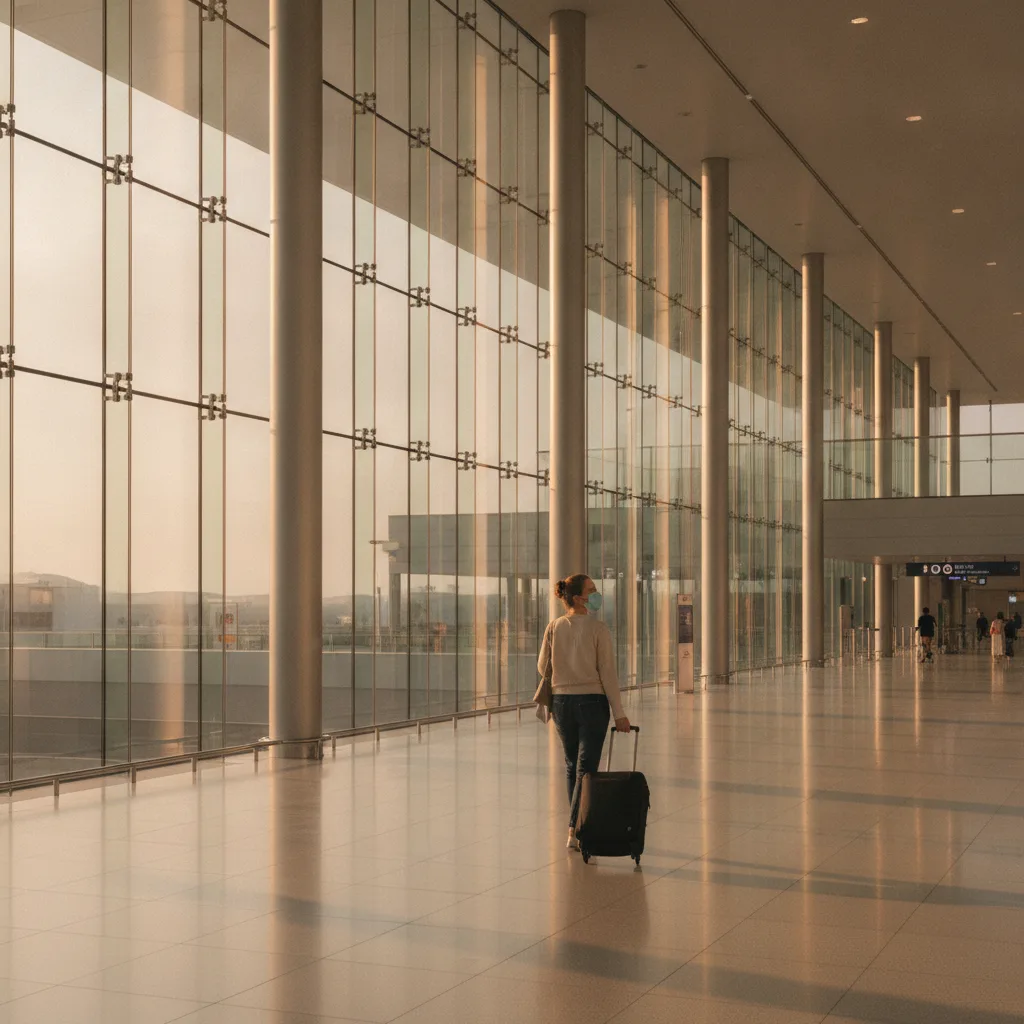
Most Seoul surgical clinics quote a stitch-removal date and send patients on their way, but the question of when it is safe to board the return flight gets handled in a thirty-second aside. Cabin pressure drops to roughly 75% of sea level during cruise, and that pressure change is enough to amplify facial swelling, re-open borderline wounds, and spike pain in freshly operated sinuses. The gap between your last post-op check and wheels-up is the single variable most foreign patients miscalculate.
WHAT CABIN PRESSURE ACTUALLY DOES TO A POST-OP FACE
Commercial aircraft cruise with a cabin pressure equivalent to roughly 6,000 to 8,000 feet of elevation. For a settled, healthy body, that barely registers. For a face that is three days post-rhinoplasty, the lower partial pressure pulls fluid into interstitial tissue and makes swelling spike for hours after landing. The same mechanism makes recent incisions ooze, brings bruises back a shade darker, and in two-jaw patients can trigger jaw-hinge discomfort from pressurised sinuses rebounding through the osteotomy sites.
Hydration helps a little. Decongestants do not reverse it. Most experienced Seoul surgeons will quietly suggest extending the stay before any long-haul flight, especially for patients flying overnight to Europe or across the Pacific. Read how first-time rhinoplasty patients plan the Seoul leg before worrying about the flight home. The flight is downstream of the booking order, not upstream.
HOW LONG AFTER RHINOPLASTY CAN YOU FLY HOME?
A standard open or closed rhinoplasty in Seoul books the splint check and stitch removal at day seven. That is the earliest point at which most surgeons will clear a patient to board a plane, and it is the floor, not the comfortable minimum. Ten to twelve days is more realistic for landing without a visibly swollen bridge. Short-haul flights to Bangkok, Tokyo, or Singapore are tolerated by day seven if the splint is off and there is no active bleeding. Long-haul routes to Europe, the US, or Australia are better held to day ten or beyond, and revision rhinoplasty cases should add two more days on top because scar tissue is less elastic and swelling resolves slower.
Tip plasty with no osteotomy is the fastest of the group and can sometimes fly at day five with surgeon approval. A full open rhinoplasty with osteotomies and cartilage grafts should not. Clinics like ID Hospital in Gangnam and Braun Plastic Surgery in Seocho run day-seven and day-fourteen follow-up options, so book the clinic check before the return ticket, not after. The rhinoplasty recovery timeline covers the full day-by-day so a flight date can be chosen against real healing markers rather than a calendar.

FACELIFT, TWO-JAW, AND THE BUSINESS-CLASS RECLINE QUESTION
A deep-plane or SMAS facelift leaves drains in place for 24 to 48 hours and bruising that peaks around day four. Most Seoul facelift surgeons want foreign patients in-country for ten to fourteen days before any flight, and they are firm about it. The reason is not the stitches, which come out around day seven. It is the lymphatic drainage, which only starts normalising around day ten and makes a seated upright long-haul flight painful before then. Business class with a lie-flat seat is a meaningful upgrade here, not a luxury. Keeping the head elevated at thirty degrees for the first forty-eight hours of flight reduces facial swelling on landing by a visible margin.
Two-jaw surgery is a different category entirely. Orthognathic-focused centres like JW Plastic Surgery in Apgujeong want foreign patients to budget three weeks in Seoul minimum, with the first week on a soft-food diet and nasal breathing partially restricted. Flying inside fourteen days post-op risks jaw stiffness, swelling asymmetry, and sinus discomfort from the osteotomy sites rebounding under cabin pressure. Aim for day twenty-one, book a flexible return, and wear a compression garment on the flight itself. The full facelift recovery timeline applies the same logic to the SMAS and deep-plane patient.
FLYING AFTER BREAST AUGMENTATION AND LIPOSUCTION
Breast augmentation with silicone implants requires seven to ten days before flight, and the main reason is pocket stability, not pain. Implants placed under the muscle need time to seat, and a pressurised cabin can introduce enough air-expansion discomfort around the chest wall that patients panic mid-flight. Fat-transfer breast augmentation needs longer, ten to fourteen days, because the grafted fat is still anchoring. Full breakdown of the first fortnight is in the breast augmentation recovery guide.
Liposuction and lipo 360 are the deceptive case. Patients feel reasonably functional by day three, book an early flight, and land with calf swelling that triggers DVT concerns on the ground. Five to seven days is the clinical minimum for any lipo volume above two litres, and compression garments must be worn on the flight itself, not folded into the suitcase. For abdominoplasty, treat it like a facelift: ten to fourteen days, drain-free before boarding, and a lie-flat seat if the flight exceeds six hours.

STITCH REMOVAL, DRAINAGE TUBES, AND WHAT AIRLINES ASK FOR
Most Seoul surgical clinics issue a short English letter on request confirming surgery type, date, and fitness to fly. Request it at the stitch-removal appointment. Airlines rarely ask for it, but ground staff occasionally do when a splint, bandage, or compression garment is visible, and a one-page letter resolves the conversation in under a minute. Carry a printed copy and a photo on the phone. Drainage tubes must be removed before any flight: no commercial airline will board a patient with an active drain, and insurance will not cover complications in the air.
- 01Clinic-issued fitness-to-fly letter in English, printed and photographed
- 02Compression garment for lipo, abdominoplasty, or breast aug worn, not packed
- 03Saline nasal spray for rhinoplasty and two-jaw patients
- 04Prescribed painkillers in original pharmacy packaging with the clinic receipt
- 05Written aftercare instructions translated to the native language
- 06Spare dressing and medical tape for any slow-weeping incision
- 07A folder with the surgeon's direct email or messenger contact for in-flight questions
HOW MUCH BUFFER SHOULD FOREIGN PATIENTS ACTUALLY BOOK?
The honest answer is longer than the clinic quotes. Clinic quotes are the medical minimum, which assumes a textbook recovery and a patient comfortable with visible swelling in public. The travel-comfortable minimum is usually three to five days on top of the medical floor. For a standard rhinoplasty, that means twelve to fifteen days total in Seoul. For a facelift with a long-haul flight home, two full weeks. For two-jaw surgery, three weeks with a flexible return date. A one-week recovery apartment in Gangnam or Apgujeong costs less than the price of a revision caused by flying too early, and the stitch-removal visit is non-negotiable no matter how good the flight deal looks.
CAN YOU FLY HOME AFTER RHINOPLASTY IN SEOUL THE SAME WEEK?
Technically yes from day seven after the splint is removed, and in practice this is routine for short-haul flights to Bangkok, Taipei, or Tokyo. Long-haul flights the same week often trigger a visible rebound of swelling that takes another ten days to resolve. The practical cutoff is: short-haul day seven, medium-haul day ten, long-haul day twelve. Revision rhinoplasty patients add two days to each tier.
WHAT HAPPENS IF YOU FLY TOO SOON AFTER FACELIFT SURGERY?
The most common outcomes are a visibly swollen face on landing that takes four to six extra days to settle, prolonged bruising, and in rare cases minor wound dehiscence along incisions near the hairline. True surgical complications from early flight are uncommon with a competent facelift, but the cosmetic result that patients paid Seoul prices for arrives weeks later than it should. Surgeons who see this regularly will always push back on a tight return date.
How-to · 7 min · Nov 5, 2026
← all posts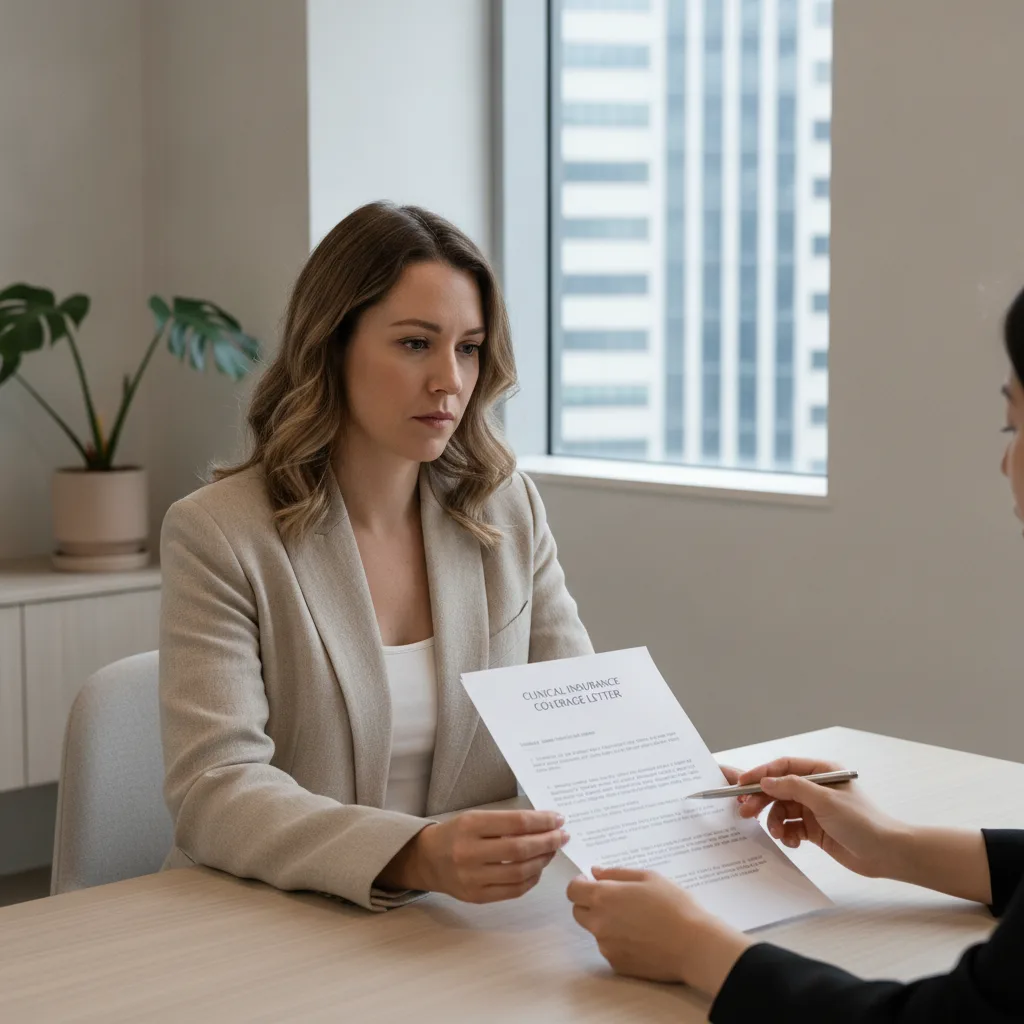
INSURANCE LETTERS FOR SEOUL PLASTIC SURGERY: 2026 FOREIGN PATIENT GUIDE
What the letter has to contain, which Seoul surgery hospitals issue it cleanly, and how to use it for home-country reimbursement in 2026.
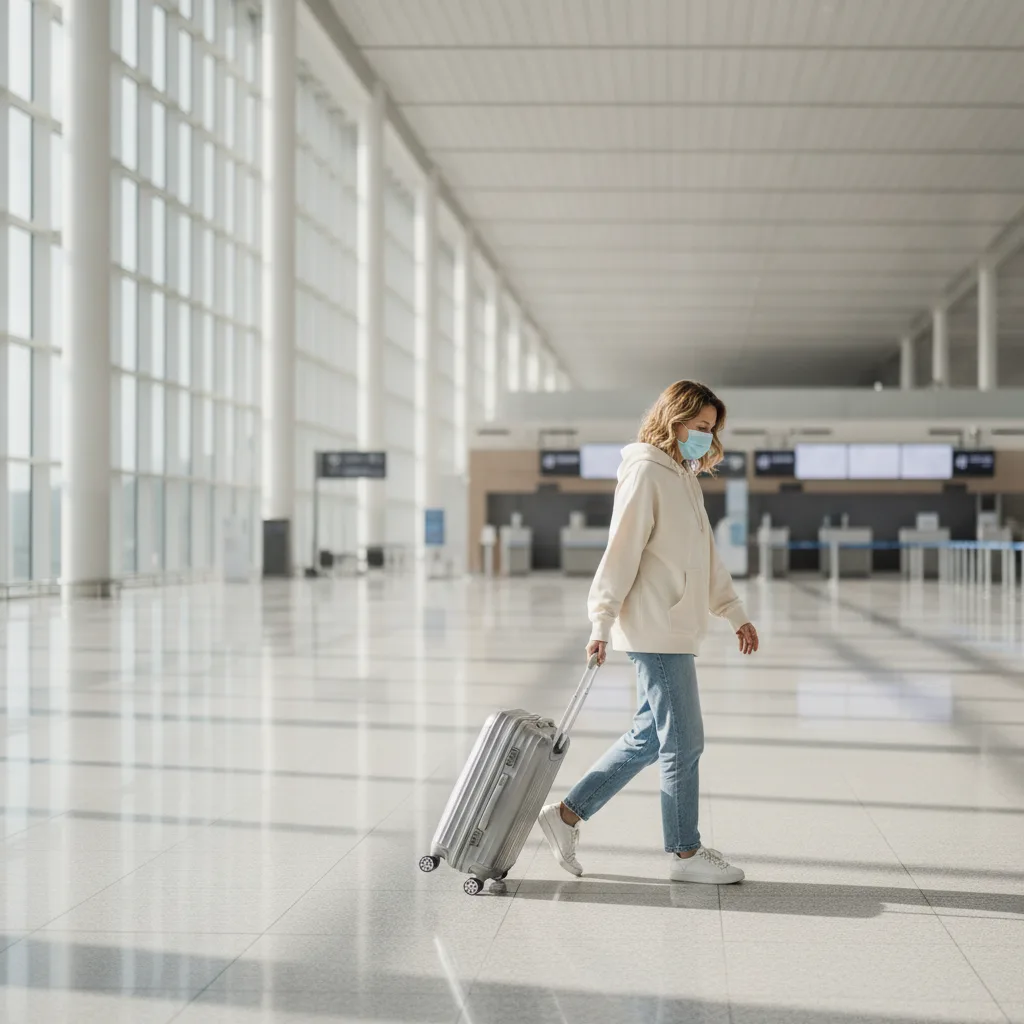
FLYING HOME AFTER PLASTIC SURGERY IN SEOUL 2026: DAYS BY PROCEDURE
Minimum wait before boarding a long-haul flight after rhinoplasty, double eyelid, V-line, breast augmentation, two-jaw, lipo, facelift, and FUE.
SEOUL AESTHETIC TRIP LENGTH 2026: DAYS YOU NEED BY TREATMENT
Minimum stay in Seoul for each aesthetic treatment, with downtime, flight rules, and buffer days for touch-ups.
VAT AND TAX REFUND FOR SEOUL PLASTIC SURGERY 2026: WHAT FOREIGNERS CAN ACTUALLY CLAIM
Cosmetic surgery in Korea carries 10% VAT, and foreign patients can reclaim most of it. Here's which procedures qualify, which clinics process the refund cleanly, and what to carry to Incheon on your way home.
POST-TREATMENT FOOD RULES IN SEOUL 2026: EAT, AVOID, DELAY
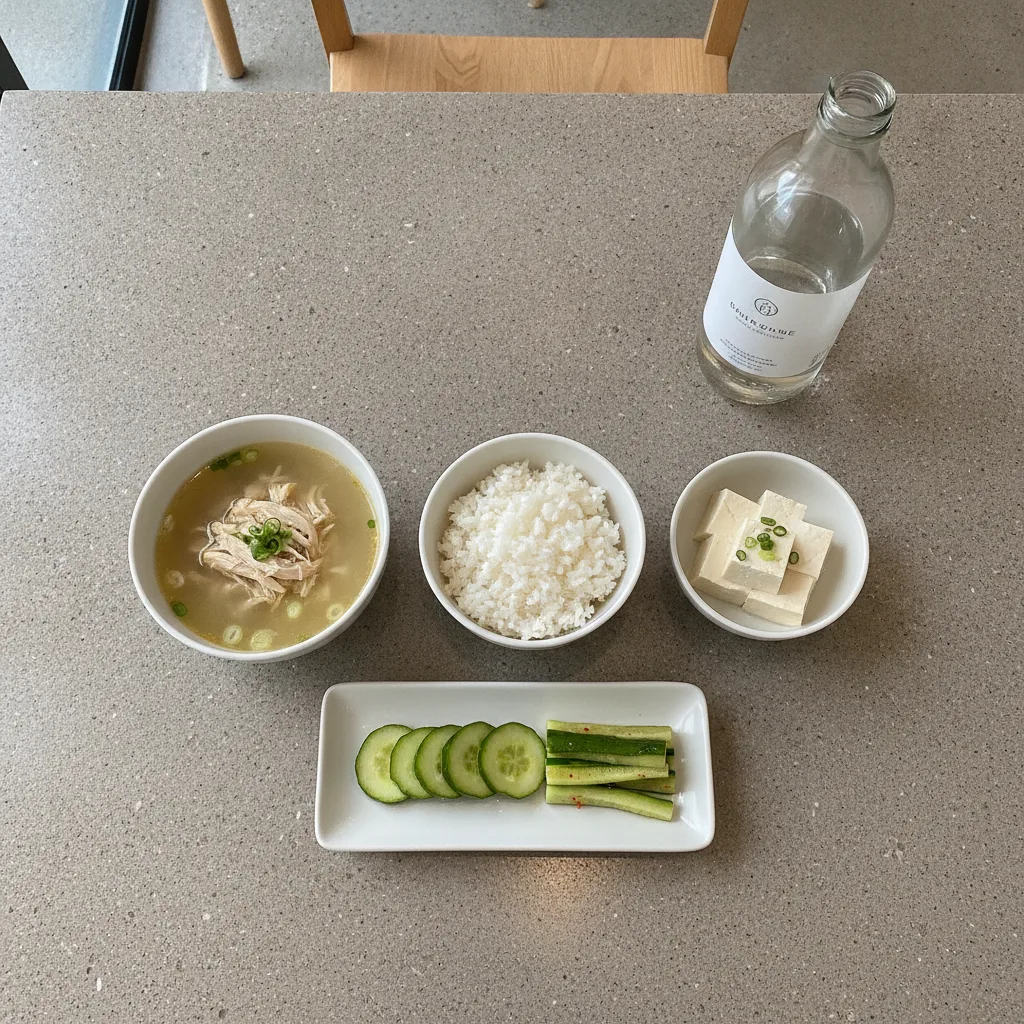
What foreign patients can safely eat after botox, fillers, lasers, and rhinoplasty in Seoul, with timings in hours and specific Korean foods to delay.
▶▶▶ stop reading. start matching.
FIND YOURS.
We'll pull five clinics matched to your case. WhatsApp reply within 24h.