DEPOSIT AND REFUND POLICIES AT SEOUL CLINICS 2026
How non-refundable deposits, cancellation windows, and chargeback options really work for foreign patients booking Seoul aesthetic clinics.
By Editorial
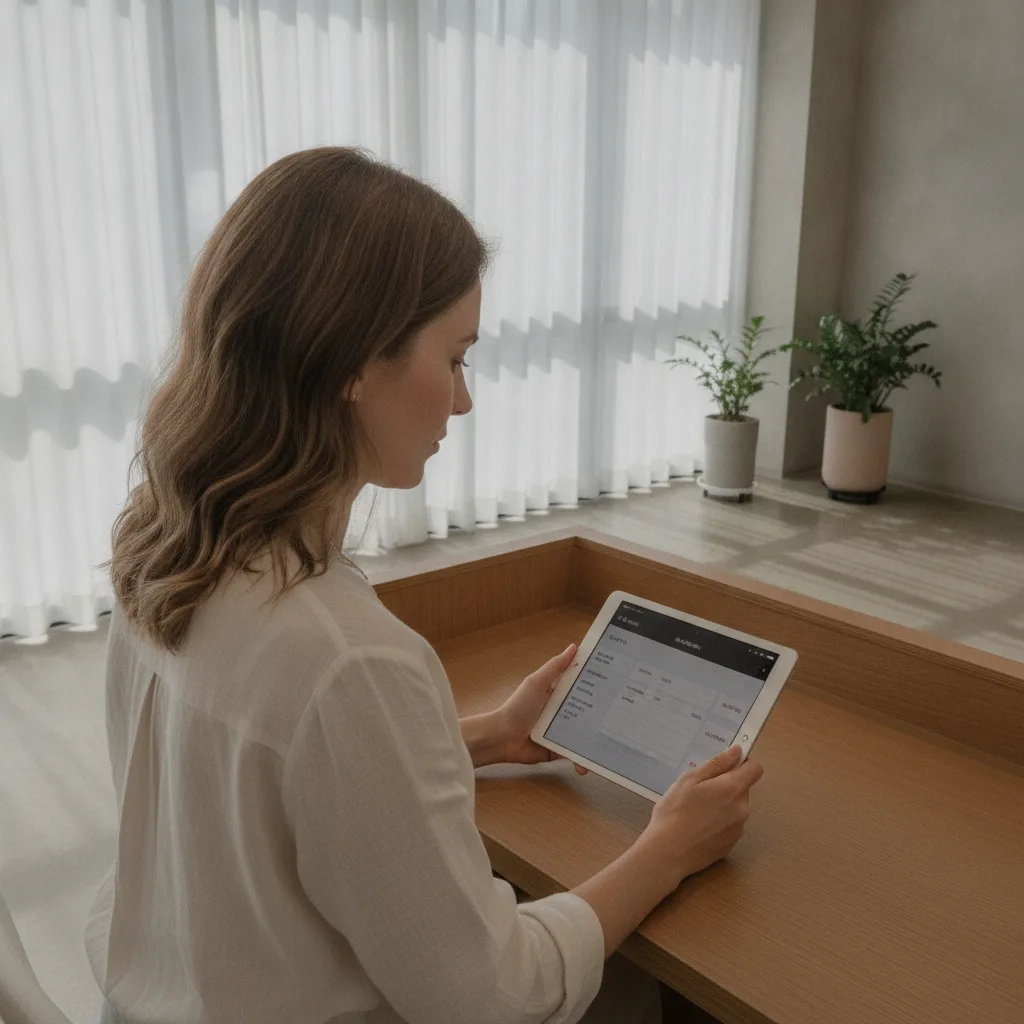
Every Seoul aesthetic clinic that accepts foreign patients asks for a deposit, and the rules around that deposit are the single most common booking surprise. Most clinics quote the deposit in a casual sentence over KakaoTalk, skip the written policy, and only mention the cancellation window when you try to move your date. Walking in blind costs people real money, and in the ₩300,000 to ₩2,000,000 range per booking, the loss stings.
WHY SEOUL CLINICS ASK FOR DEPOSITS IN THE FIRST PLACE
Foreign no-shows are the stated reason. Clinics in Gangnam and Apgujeong block out 60 to 120 minute consultation slots with a senior doctor, and a last-minute cancellation from an overseas patient means a dead slot they cannot refill. The deposit is loss protection, not a package down-payment. It sits in a separate line on the final invoice and comes off your total if you show up and treat on the booked date. If you cancel, it becomes a cancellation fee under the clinic's written terms.
The second reason is translator cost. Clinics that staff in-house English or Mandarin coordinators bill that time against your deposit if you walk, which is why clinics with full translator services tend to run deposits higher. A clinic that uses a freelance medical translator from a tourism agency often adds the translator fee on top of the base deposit instead of absorbing it, so always ask what the deposit includes before you wire.
The third reason is simply market convention. Once one Gangnam skin clinic started asking ₩200,000, the clinic next door matched to avoid signalling it was less serious. Deposits in Sinnonhyeon and Seocho tend to sit lower, ₩100,000 to ₩300,000, because those districts work on local walk-in volume. Apgujeong and Cheongdam premium clinics push ₩500,000 to ₩2,000,000 because their consulting doctors have waitlists.
TYPICAL DEPOSIT RANGES BY PROCEDURE AND DISTRICT
Injectables carry the lowest deposits. A Botox or filler booking at a Gangnam skin clinic usually runs ₩100,000 to ₩300,000, roughly USD 75 to USD 225, held against your treatment total. Energy devices sit a step up. Shurink Universe, Ultherapy, and Thermage consultations run ₩200,000 to ₩500,000 because the slot time is longer. Surgical consultations are the expensive end. Rhinoplasty, two-jaw, facelift, and breast augmentation deposits run ₩500,000 to ₩2,000,000, roughly USD 370 to USD 1,500, and premium Apgujeong clinics with name-brand surgeons sometimes charge the full consultation fee upfront as a non-refundable item.
- 01Injectables (Botox, filler, Rejuran): ₩100,000 to ₩300,000
- 02HIFU and RF (Shurink, Ultherapy, Sylfirm): ₩200,000 to ₩500,000
- 03Thread lifting: ₩300,000 to ₩700,000
- 04Rhinoplasty, double eyelid, facelift consultations: ₩500,000 to ₩2,000,000
- 05Two-jaw, V-line, breast surgery: ₩500,000 to ₩2,000,000 (often non-refundable)
If your plan is to stack treatments across one trip, see stacking treatments in one Seoul trip for the sequencing logic. Each clinic will take its own deposit, so a four-clinic plan with three injectables plus one HIFU can easily tie up ₩600,000 to ₩1,500,000 across your trip before you land.

CANCELLATION WINDOWS YOU NEED TO PIN DOWN BEFORE WIRING
The most common policy in Seoul is a 48-hour window. Cancel more than 48 hours before the consultation and the deposit is refunded to the original payment method, minus the international wire fee if you paid by bank transfer. Cancel inside 48 hours and the clinic keeps 100 percent, no partial return. Some Gangnam skin clinics stretch the window to 72 or 96 hours. A smaller group runs 24 hours. Premium Apgujeong surgical clinics often make the deposit fully non-refundable the moment you book, with a one-time reschedule allowed if you move the date at least 7 days out.
Reschedules are usually safer than cancellations. Most clinics let you shift your date once at no cost as long as you move it inside a 60 to 90 day window. A second reschedule triggers a fresh deposit at most clinics. If you suspect your travel dates might slip, book your clinic consultations within the second half of your trip rather than the first day, so a flight delay or jet lag never forces a same-day cancellation. Read how to book a Seoul clinic from abroad for the full pre-arrival checklist.
Always get the policy in writing before you send money. A screenshot of the KakaoTalk exchange where the coordinator spells out the window, the refund method, and the exact Korean won amount is enough for a chargeback if the clinic later changes its position. Clinics that refuse to put the policy in writing are the ones you should not be wiring to.
HOW TO PAY THE DEPOSIT WITHOUT LOSING MONEY ON FEES
Three payment paths dominate. International wire transfer in Korean won is still the default at surgical clinics in Cheongdam and Apgujeong. It costs USD 15 to USD 40 per outbound wire from your bank, plus an often invisible 1 to 3 percent FX spread. Credit card deposits are increasingly accepted at Gangnam skin clinics catering to foreigners, usually with a 3.3 percent surcharge that technically belongs to the merchant but gets quietly passed to you. The third path is Wise, Revolut, or a similar multi-currency app, which saves the FX spread but a few older clinic accounts still refuse non-SWIFT inbound transfers.
Credit card is the single best option when the clinic allows it, not because it is the cheapest but because it is the only path that gives you a working chargeback right. Visa and Mastercard dispute windows are 120 days from the date of the charge in most jurisdictions, so a disputed deposit on a treatment you never received is recoverable in a way that a wire transfer never will be. The 3.3 percent surcharge is cheaper than that insurance by a wide margin.
For context on how deposits interact with the quoted total, see hidden costs in Seoul clinics. VAT, package pricing, and translator fees all change whether your deposit comes off the top or sits as a separate line, and that affects your final out-of-pocket.
WHEN A CLINIC KEEPS YOUR DEPOSIT AND YOU THINK THEY SHOULD NOT
Three real scenarios come up. First, the clinic cancels your slot and tries to keep the deposit anyway. Second, the clinic switches your booked doctor to a junior associate at the last minute and you decline the swap. Third, the consultation reveals a contraindication the clinic should have screened for over KakaoTalk, like active isotretinoin use before a laser or a bleeding disorder before thread lifting. In all three cases the deposit is yours by right, Korean consumer-protection practice, and standard clinic ethics.
If the dispute escalates, your card issuer wants three things: the written deposit policy, proof you tried to resolve directly with the clinic, and proof the clinic failed to deliver the agreed service. A chargeback filed within 60 days of the charge, with clean documentation, succeeds the majority of the time against a Korean merchant. Wire transfers do not have this fallback, which is why the written policy and the payment method both need thinking through before you confirm.
How-to · 7 min · Oct 3, 2026
← all posts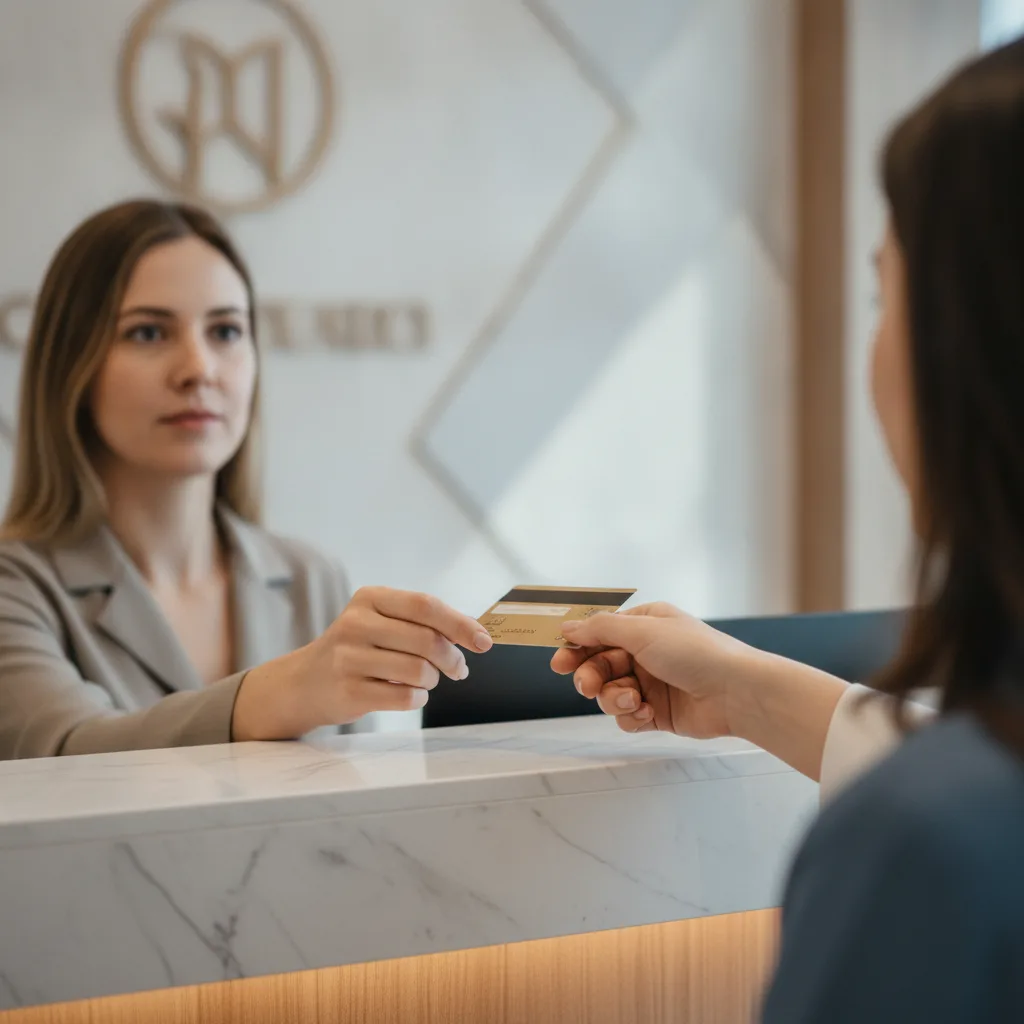
CREDIT CARD FEES AT SEOUL AESTHETIC CLINICS 2026: SURCHARGES & FX
What foreign patients actually pay in card surcharges, FX markups, and daily caps at Seoul aesthetic clinics in 2026.
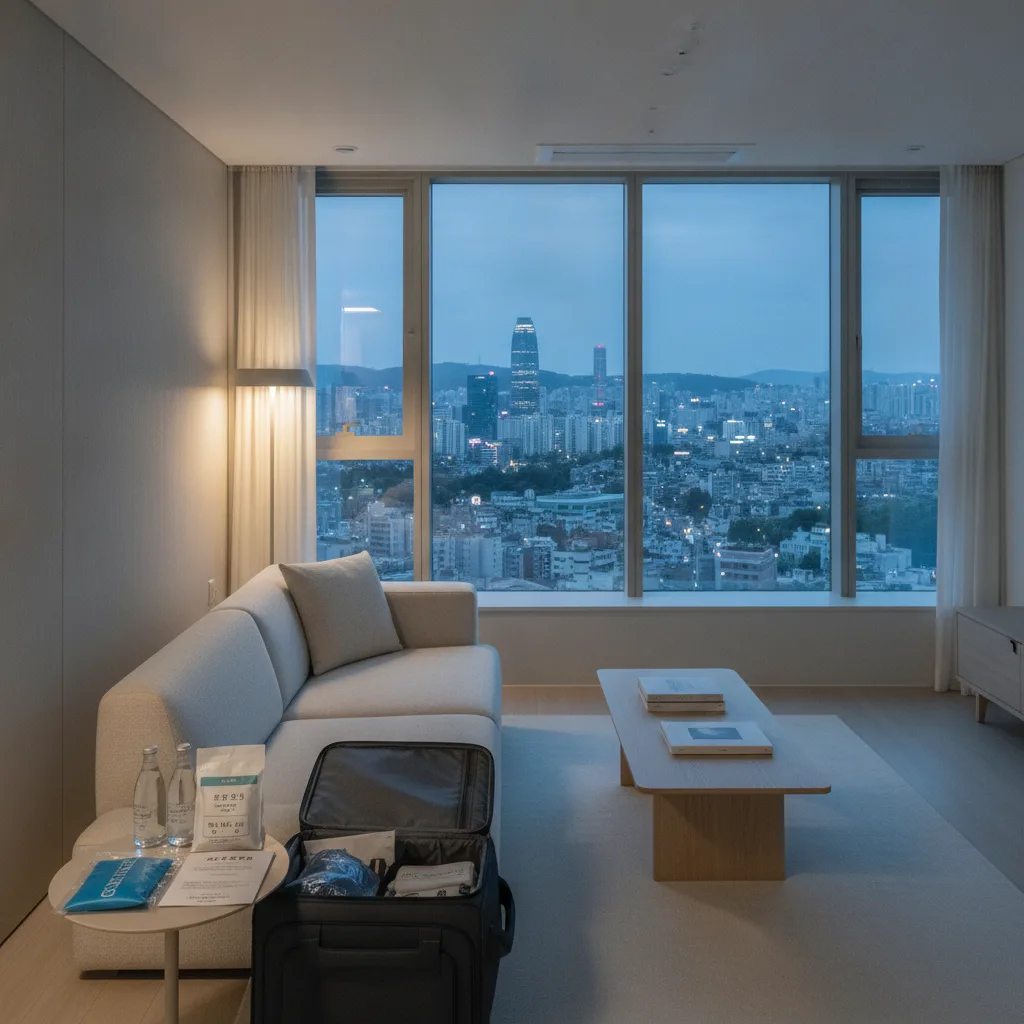
RECOVERY STAYS SEOUL PLASTIC SURGERY 2026: HOTELS AND PRICES
Where foreign patients actually stay after rhinoplasty, two-jaw, breast and body surgery in Seoul, with KRW night rates by district and what to book.
TRAVEL INSURANCE FOR SEOUL PLASTIC SURGERY 2026: WHAT ACTUALLY COVERS YOU
Standard travel policies exclude elective cosmetic surgery. Here is what covers complications abroad, what pays for a stuck flight home, and which Seoul clinics include their own policy.
TAX REFUND IN SEOUL FOR AESTHETIC TREATMENTS 2026: VAT RULES EXPLAINED
What foreign patients actually pay in 10% VAT at Seoul aesthetic clinics, which treatments qualify for the Medical Tourism Tax Refund, and how to claim your won back at Incheon.
MEDICAL VISA FOR SEOUL PLASTIC SURGERY 2026: RULES BY COUNTRY
Visa-free entry, K-ETA, and C-3-3 medical tourist visas explained for foreign patients flying to Seoul for plastic surgery in 2026.
▶▶▶ stop reading. start matching.
FIND YOURS.
We'll pull five clinics matched to your case. WhatsApp reply within 24h.