MEDICAL VISA FOR SEOUL PLASTIC SURGERY 2026: RULES BY COUNTRY
Visa-free entry, K-ETA, and C-3-3 medical tourist visas explained for foreign patients flying to Seoul for plastic surgery in 2026.
By Editorial
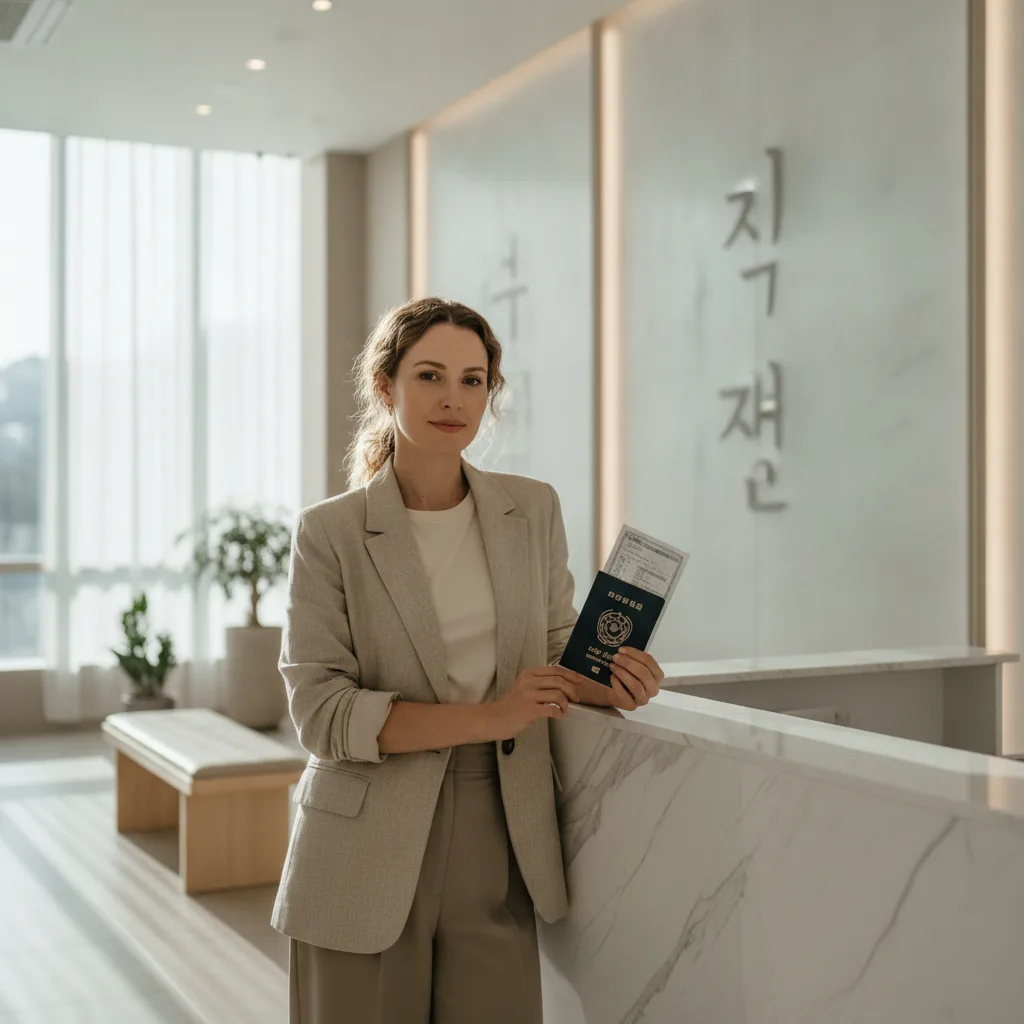
Most foreign patients flying to Seoul for plastic surgery do not need a medical visa. They enter visa-free or on K-ETA, treat, recover, and fly home inside 90 days. The exceptions are specific, and getting them wrong at Incheon immigration costs real money. This guide covers who needs what in 2026, how the C-3-3 and G-1-10 actually work, and when a plain tourist entry stops being enough.
DO YOU EVEN NEED A MEDICAL VISA?
For 112 countries including the US, UK, Canada, Australia, most of the EU, Japan, Taiwan, Singapore, Hong Kong, and Thailand, the answer in 2026 is no. You enter Korea visa-free for 30 to 90 days depending on nationality, declare the trip purpose honestly if asked, and that admission covers consultation, surgery, recovery, and departure as long as you fly out within the stamped window. Immigration does not require a separate medical visa for short-stay cosmetic procedures when the underlying visa-free entitlement already permits tourism and short business visits.
K-ETA (Korea Electronic Travel Authorization) is a separate layer. From 2024 the government paused K-ETA for 67 of the visa-free nationalities through December 2026, so US, UK, Canadian, Australian, French, German, Dutch, and most Western-European passport holders can enter without applying. Thai, Filipino, Indonesian, Vietnamese, and Malaysian passport holders still need K-ETA before boarding. Apply at k-eta.go.kr at least 72 hours before departure, pay roughly ₩10,000, and receive an approval tied to your passport. Airlines will refuse boarding without it if your nationality is on the active list.
The clinic itself does not care what visa you hold. Reception checks your passport for the booking name and your K-ETA printout if required, and that is the extent of the immigration paperwork on their side. See paying Seoul aesthetic clinics for how the money side intersects with your legal entry.
WHEN THE C-3-3 SHORT-TERM MEDICAL VISA ACTUALLY APPLIES
The C-3-3 is Korea's dedicated short-term medical treatment visa, valid for stays up to 90 days per entry. You need it if your passport does not qualify for visa-free entry to Korea, if you plan to stay longer than your visa-free allowance, or if you want written proof of medical purpose for employer leave, insurance, or your home-country customs. Chinese, Indian, Pakistani, Egyptian, Nigerian, and many Central-Asian passport holders apply here before flying.
The application packet is specific. You need a passport valid six months beyond the trip, a completed visa application form, one color photo on white background, round-trip flight itinerary, and most importantly a Medical Appointment Confirmation issued by a Ministry of Health and Welfare-registered medical institution. The clinic generates this document on your behalf, listing the planned procedures, dates, and a cost estimate. Any accredited Seoul plastic surgery clinic that takes international patients will have handled dozens of these and can email the PDF within three to five business days of your deposit.
Bank statements covering the last three months showing enough funds for treatment plus stay are standard. Expect ₩1.5 million to ₩3 million minimum shown as liquid, depending on the embassy. Processing takes five to ten business days at Korean embassies in most countries, with a fee between $40 and $90. For patients bringing a caregiver, the companion applies for a separate C-3-3 using a copy of the patient's visa and the clinic letter.

THE G-1-10 RECOVERY VISA: WHEN YOUR STAY RUNS LONG
Face-contouring, two-jaw, deep-plane facelift, body contouring, and multi-stage rhinoplasty revisions routinely need 60 to 120 days of in-country recovery before the surgeon clears you to fly. The G-1-10 is the extended medical visa that covers this, valid for up to one year with multiple entries, and it is applied for inside Korea at the local immigration office after you have already entered on a C-3-3 or visa-free stamp. You convert, not pre-apply from abroad.
The clinic issues a treatment-plan letter stating the medical reason your recovery exceeds the standard 90 days, with specific follow-up dates. You take this to the Seoul Immigration Office at Sejong-ro, Omokgyo, or Yangjae with your passport, Alien Registration Card application, proof of accommodation, and proof of funds. Fee is ₩60,000 for the visa plus ₩30,000 for the Alien Registration Card. Allow two office visits spaced two to four weeks apart.
Pair the long-stay visa with a plan for where you will actually heal. Recovery stay apartments near Seoul clinics covers the Apgujeong, Sinsa, and Gangnam serviced-apartment buildings that most two-jaw and facelift patients use for the eight-to-twelve-week window. The visa and the apartment application often need the same clinic letter, so request two signed originals when the clinic prepares your documents.
HOW CLINICS HANDLE THE PAPERWORK FOR YOU
- 01Medical Appointment Confirmation: issued free of charge by any Ministry-registered clinic, usually within 3-5 business days of deposit. Required for C-3-3 applications and useful as proof of purpose even for visa-free entries.
- 02Treatment Plan Letter: lists procedures, dates, and estimated recovery time. Used for G-1-10 conversion and for your home-country insurance claim if any.
- 03Invoice and Payment Receipt: issued post-treatment, needed for VAT refund processing and some embassies' post-trip reporting.
- 04Cost Estimate on Clinic Letterhead: required by some embassies to prove you can afford treatment. Request this with the medical appointment confirmation.
- 05Follow-Up Schedule: dated list of post-op visits, used to justify the G-1-10 recovery visa duration.
Reputable Seoul plastic surgery clinics have an International Patient Center that handles these documents end to end. You email your passport scan, deposit the booking fee, and the packet arrives by email within a week. Clinics without this department will route you to a third-party medical tourism agency, which adds ₩200,000 to ₩500,000 in agency fees. Ask upfront whether the clinic issues the medical appointment confirmation directly or outsources it.
IMMIGRATION AT INCHEON: WHAT TO ACTUALLY SAY
Visa-free arrivals rarely get secondary questioning if the trip looks normal. If you are stopped, state the clinic name, the procedure in plain terms, and the return flight date. Have the clinic's appointment confirmation PDF loaded on your phone, not just in your inbox. Immigration officers at Incheon see hundreds of cosmetic-surgery arrivals per week and are not hostile, but they will flag inconsistencies: a one-way ticket, no accommodation booked, a vague story about why you are in Seoul for 83 days.
C-3-3 holders should present the visa plus the original clinic letter. The officer will usually ask the procedure name and the clinic name to cross-check. The admission stamp will match the visa duration, not the standard 90-day visa-free window, so verify the stamped date before leaving the booth. Once admitted, your actual arrival-to-departure logistics mirror any other medical tourist, including the Incheon airport-to-clinic transfer options and the post-op flying rules you need to respect before boarding home.

COUNTRY-SPECIFIC QUICK REFERENCE
US, Canadian, UK, Australian, New Zealand, EU-Schengen, and Japanese passport holders enter visa-free for 90 days, with K-ETA currently waived through end of 2026, and need no medical visa for standard cosmetic procedures. Thai, Filipino, Malaysian, Indonesian, and Singaporean passport holders are visa-free for 90, 59, or 30 days respectively but must have an approved K-ETA before boarding. Vietnamese passport holders need a C-3-3 unless they hold a prior Korean visa within the last five years. Chinese passport holders need a C-3-3 medical visa or a prior multiple-entry Korean visa. Indian passport holders need C-3-3 and must apply at the Korean Embassy in New Delhi, Mumbai, or Chennai with full packet.
Rules shift. Check the Hi Korea portal (hikorea.go.kr) or the Korean embassy website for your country within two weeks of booking flights. For sensitive timelines like a planned deposit refund if the visa is denied, pin down the clinic's deposit and refund policy before you file the visa application, not after.
How-to · 8 min · Oct 4, 2026
← all posts
CREDIT CARD FEES AT SEOUL AESTHETIC CLINICS 2026: SURCHARGES & FX
What foreign patients actually pay in card surcharges, FX markups, and daily caps at Seoul aesthetic clinics in 2026.
RECOVERY STAYS SEOUL PLASTIC SURGERY 2026: HOTELS AND PRICES
Where foreign patients actually stay after rhinoplasty, two-jaw, breast and body surgery in Seoul, with KRW night rates by district and what to book.
TRAVEL INSURANCE FOR SEOUL PLASTIC SURGERY 2026: WHAT ACTUALLY COVERS YOU
Standard travel policies exclude elective cosmetic surgery. Here is what covers complications abroad, what pays for a stuck flight home, and which Seoul clinics include their own policy.
TAX REFUND IN SEOUL FOR AESTHETIC TREATMENTS 2026: VAT RULES EXPLAINED
What foreign patients actually pay in 10% VAT at Seoul aesthetic clinics, which treatments qualify for the Medical Tourism Tax Refund, and how to claim your won back at Incheon.
DEPOSIT AND REFUND POLICIES AT SEOUL CLINICS 2026
How non-refundable deposits, cancellation windows, and chargeback options really work for foreign patients booking Seoul aesthetic clinics.
▶▶▶ stop reading. start matching.
FIND YOURS.
We'll pull five clinics matched to your case. WhatsApp reply within 24h.